Earth's Complex Life May Survive 500 Million Years Longer
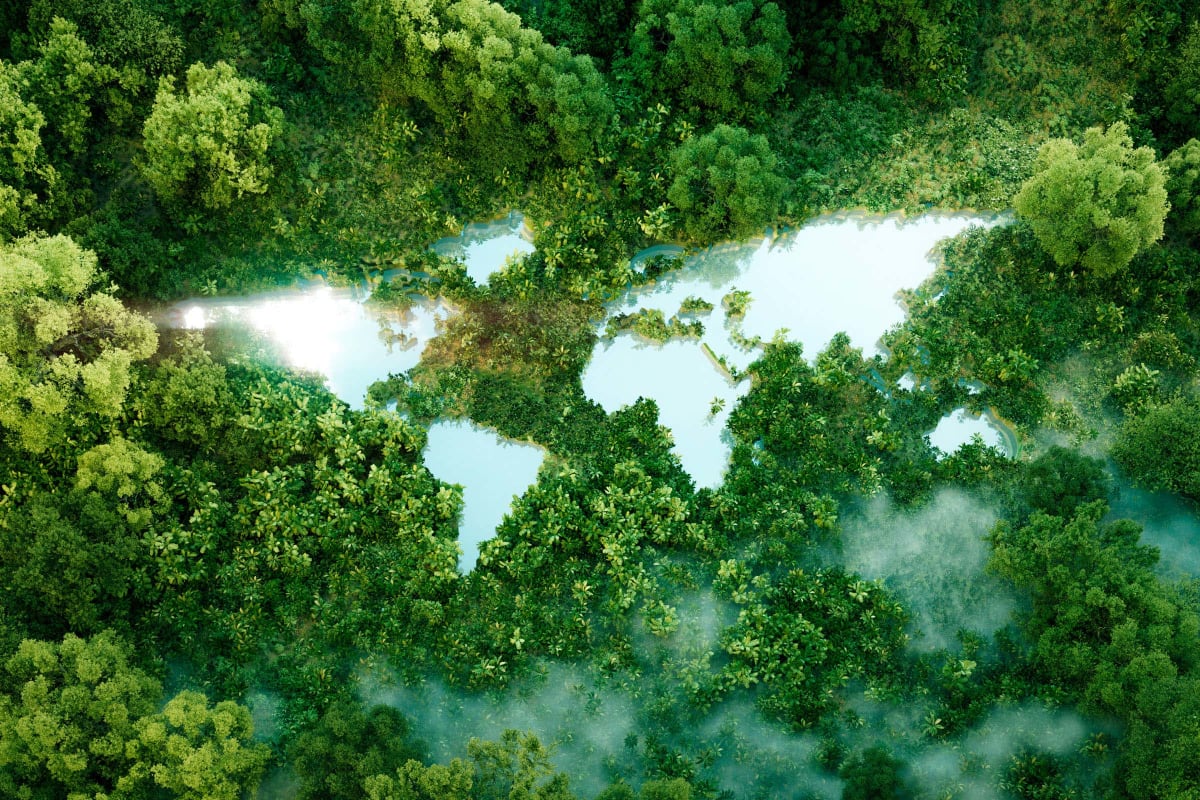
New research reveals that plants and complex life on Earth could thrive for 1.8 billion years instead of the previously predicted 1.35 billion years, thanks to certain plants' super-efficient photosynthesis abilities. The discovery also means we might have better odds of finding life on other planets.
Scientists just extended Earth's expiration date by half a billion years, and the discovery could reshape our search for alien life.
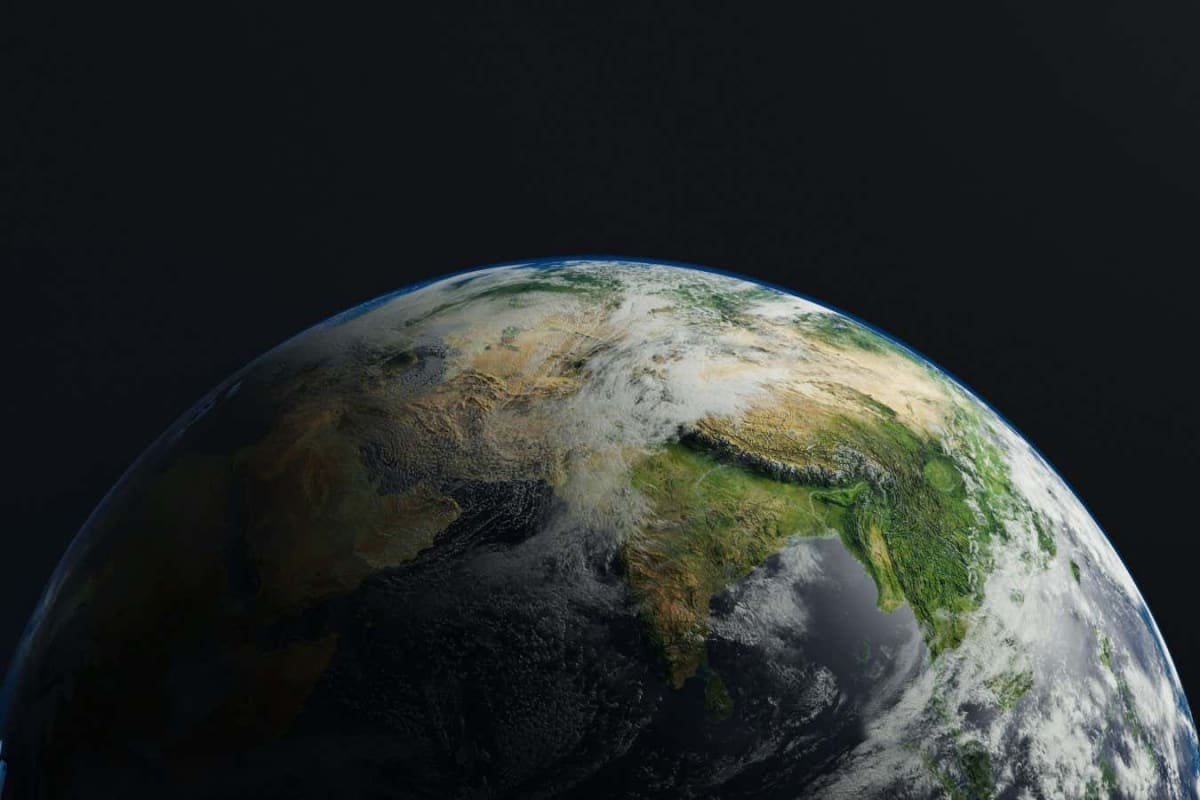
Researchers at Blue Marble Space ran the most detailed simulations ever of Earth's far future climate. They found that complex life, especially plants, could survive much longer than we thought as our sun slowly expands and heats up the planet.
The key player in this extended survival story is carbon dioxide. As Earth heats up over billions of years, CO2 gets pulled into rocks, cooling the planet down like a natural thermostat. But plants need CO2 for photosynthesis, and scientists previously believed they'd all die out when atmospheric levels dropped below 10 parts per million.
That grim deadline was supposed to arrive in about 1.35 billion years, leaving only microbes to carry on life's torch.
The new simulations revealed something earlier models missed. Certain plants like cacti and pineapples use a special type of photosynthesis called crassulacean acid metabolism that's incredibly efficient at capturing CO2 from the air.
These hardy plants could survive on just 1 part per million of atmospheric CO2. That means the vegetative biosphere could persist for more than 1.8 billion years, giving complex life an extra 500 million years to adapt and evolve.
"Life on Earth can do a lot more than we thought," says lead researcher Jacob Haqq-Misra. With such long timescales, evolution might push these limits even further as organisms slowly adapt to the warming sun.
The Ripple Effect
This isn't just good news for Earth's distant descendants. The findings suggest we might be living closer to the beginning of Earth's complex life story than the middle or end.
That changes how we search for life on other planets. If Earth represents a typical habitable world, then planets hosting complex life might be more common than we previously calculated.
Scientists can now observe planets similar to Earth's far future within the next two decades. Those observations could reveal what late-stage biospheres look like and where to search for them.
The research gives us a more optimistic view of both our planet's resilience and the universe's potential for life. Even in Earth's most challenging future conditions, life finds a way to hang on and thrive.
More Images
Based on reporting by New Scientist
This story was written by BrightWire based on verified news reports.
Spread the positivity!
Share this good news with someone who needs it