NASA Rover Finds Massive Honeycomb Patterns on Mars
NASA's Curiosity rover discovered an enormous field of geometric honeycomb patterns stretching across a Martian valley, stunning scientists who've never seen anything like it at this scale. The mysterious formations could hold clues to Mars' watery past and its potential to support ancient life.
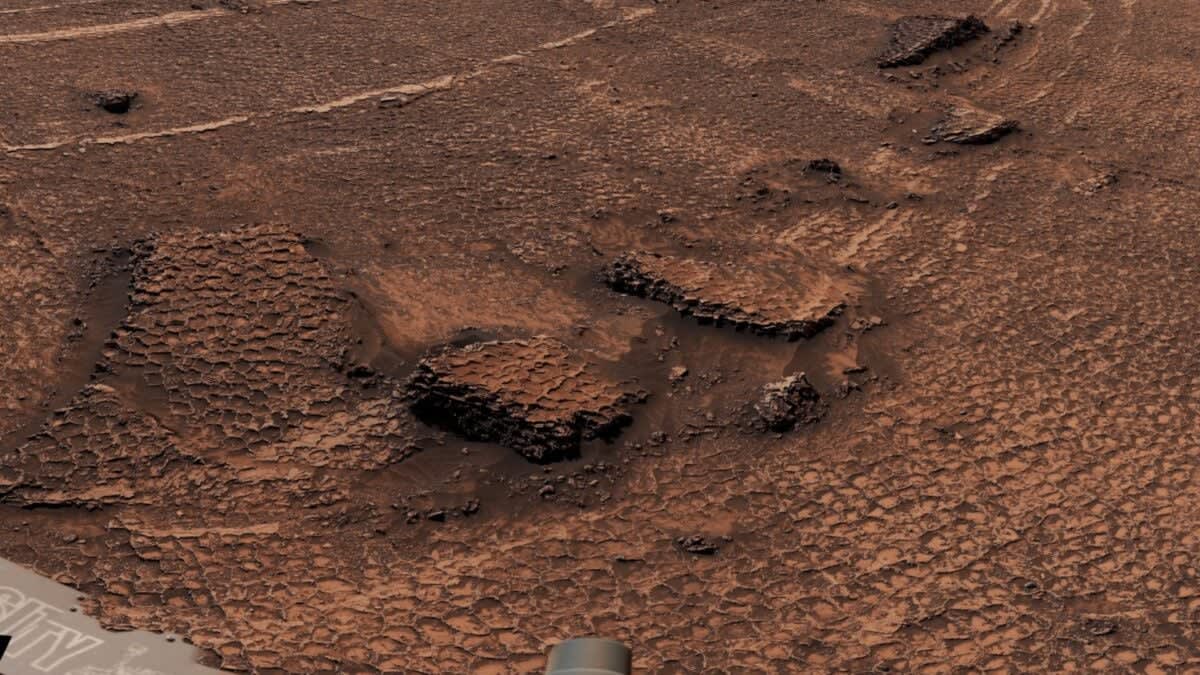
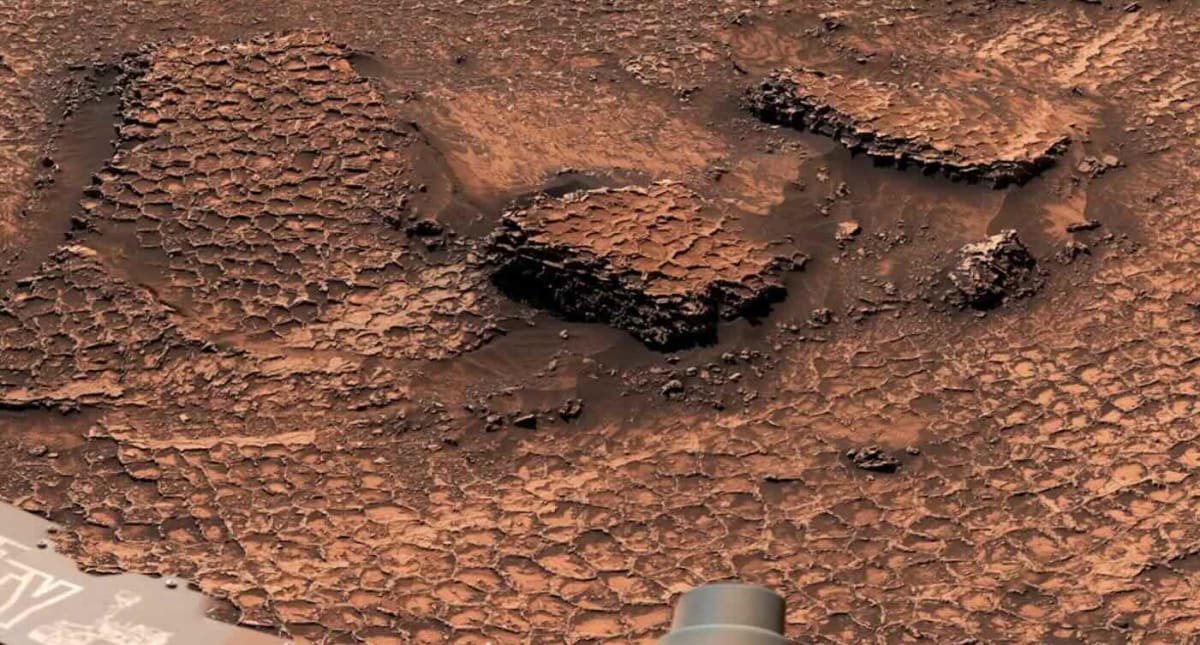
NASA scientists couldn't believe their eyes when Curiosity rover sent back images of a vast Martian landscape covered in perfect honeycomb patterns. The geometric textures stretched as far as the rover's camera could see.
The rover spotted the mysterious formations while climbing through Valle Grande, a valley on Mars, back in June. Scientists call them polygonal fractures, and while they've seen small patches before, nothing prepared them for this discovery.
"We've seen a lot of fascinating landscapes through Curiosity's eyes, but this sea of polygons took our breath away," said Ashwin Vasavada, the mission's project scientist at NASA's Jet Propulsion Laboratory. The shapes even wrap around a nearby rock formation nicknamed "Miraflores" that stands 20 feet tall.
The rover captured a 360-degree panorama on June 19 and 20, revealing the honeycomb patterns spreading in every direction. Scientists are now carefully measuring their shapes and analyzing their chemistry to understand how they formed.
Several natural processes could create these stunning patterns. Some polygons on Mars formed as ancient mud dried and cracked. Others might have resulted from cycles of warming and cooling temperatures, or from compression that squeezed water out of sediment when the surface was buried under pressure.
Why This Inspires
This discovery adds to Curiosity's incredible fourteen-year journey of rewriting what we know about Mars. The rover has already proven that ancient Mars had water, the right chemistry, and nutrients that could have supported microbial life billions of years ago.
Curiosity has uncovered lakes and streams that once dotted the lower slopes of Mount Sharp, the 3-mile-tall mountain the rover has been climbing since 2014. Even more exciting, the rover found carbon-based molecules that scientists believe are precursors to RNA and DNA, the building blocks of life as we know it.
Each discovery brings us closer to answering one of humanity's biggest questions: Are we alone in the universe? These honeycomb patterns might hold new clues about Mars' watery past and whether tiny organisms once called the Red Planet home.
The mysteries of Mars continue to unfold, one stunning landscape at a time.
More Images




Based on reporting by Good News Network
This story was written by BrightWire based on verified news reports.
Spread the positivity!
Share this good news with someone who needs it