Scientists Crack Code for Better Cancer-Fighting Drugs
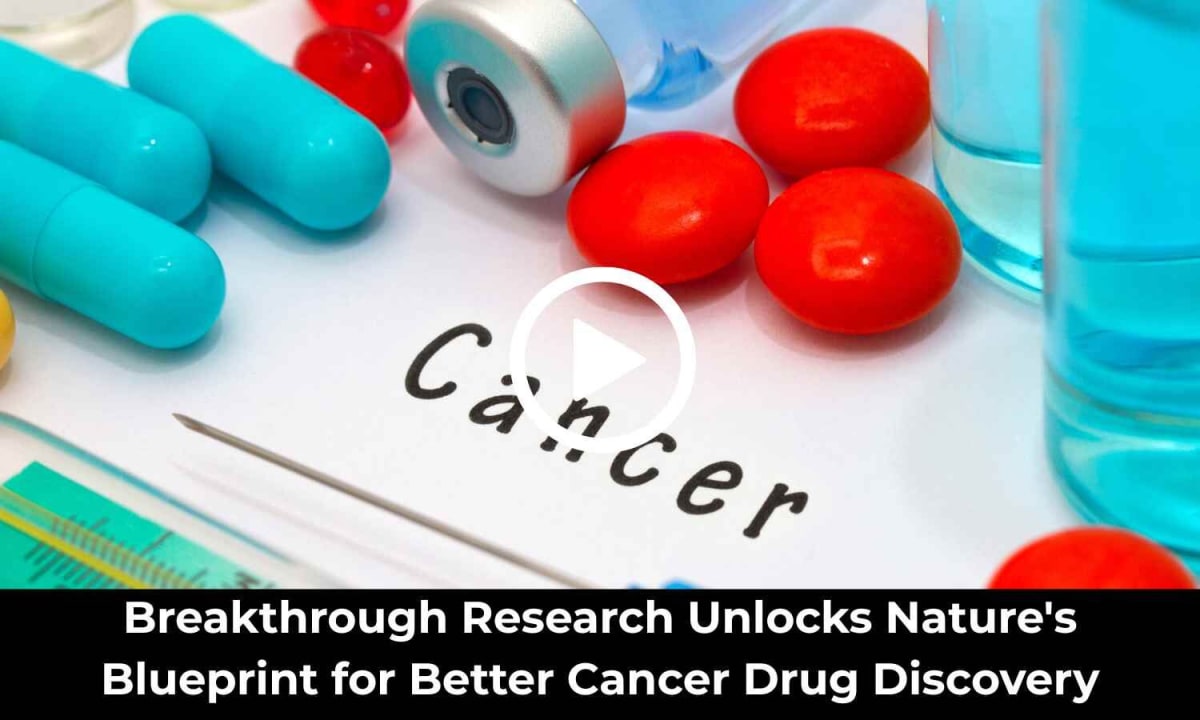
Researchers discovered how bacteria naturally create powerful anti-cancer compounds, opening the door to designing more effective treatments with fewer side effects. The breakthrough solves a decades-old mystery that could transform how we develop cancer therapies.
After decades of searching, scientists have finally unlocked nature's secret recipe for producing cancer-fighting drugs—a discovery that could revolutionize how we treat the disease.
Researchers publishing in Nature Communications figured out how bacteria naturally assemble different versions of powerful anti-cancer compounds. The breakthrough reveals the molecular mechanism behind a natural process scientists have long hoped to harness for creating new medicines.
The team discovered that tiny molecular regions called docking domains act as connectors between two separate enzyme systems. One enzyme complex builds the core drug structure, while another adds variable chemical "caps" that determine how the drug targets cancer cells.
These docking domains function like molecular puzzle pieces, allowing enzymes to communicate precisely and generate multiple drug variants without losing their effectiveness. This flexible yet highly organized system explains how bacteria naturally create families of closely related anti-cancer molecules.
The discovery also solves the long-standing mystery of how bacteria produce FR-901375, a compound whose production pathway had remained unknown for decades. Both compounds belong to the HDAC inhibitor class of drugs, which work by blocking enzymes involved in regulating gene activity in cancer cells.
Scientists believe these pathways evolved through gene duplication and recombination, enabling bacteria to diversify their chemical arsenal over time. Nature essentially developed its own drug design system millions of years ago.
The Ripple Effect
The findings provide a blueprint for engineering synthetic pathways capable of producing entirely new anti-cancer drug candidates. Researchers can now design treatments with greater potency, improved selectivity, and fewer side effects than current options allow.
The approach could expand treatment options for cancers that remain difficult to manage with existing therapies. By mimicking nature's efficient system, scientists can potentially create whole families of related drugs tailored to different cancer types or patient needs.
The discovery represents more than just understanding how bacteria work—it's a roadmap for translating natural processes into human healing.
This breakthrough proves that sometimes the best innovations come from learning what nature already knows.
Based on reporting by Google News - Breakthrough Discovery
This story was written by BrightWire based on verified news reports.
Spread the positivity!
Share this good news with someone who needs it