Pakistan Hosts First US-Iran Peace Talks in 15 Years
Once labeled a "pariah state" by Washington, Pakistan is now hosting historic ceasefire negotiations between the United States and Iran. The diplomatic breakthrough showcases how the South Asian nation transformed from an untrusted partner into an essential peacemaker on the world stage.
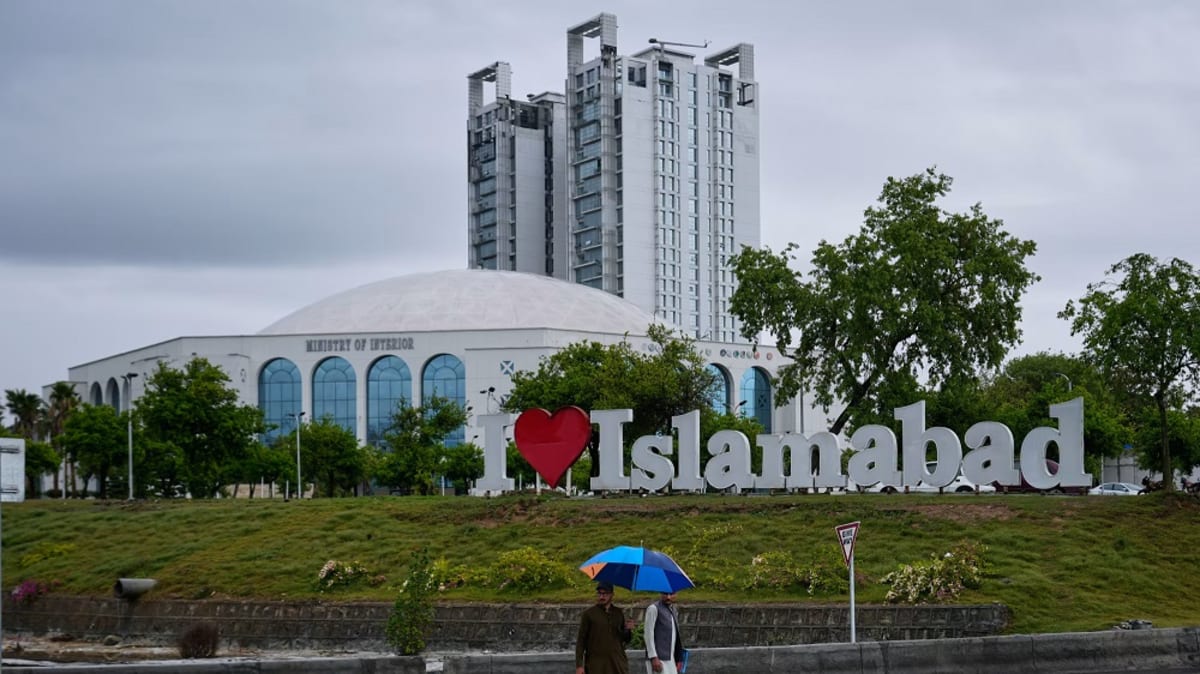
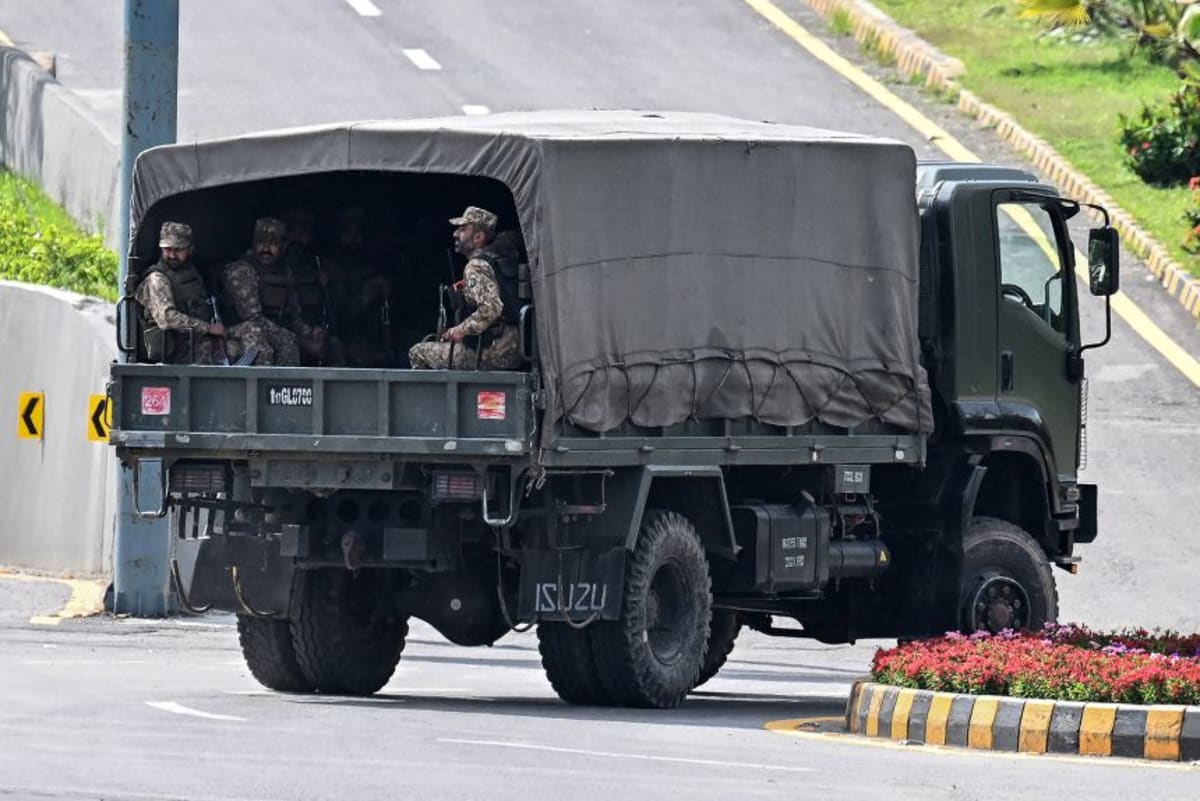
The streets of Islamabad fell silent this week as Pakistan prepared to host something remarkable: the first direct talks between the United States and Iran in over a decade, aimed at ending a devastating weeks-long conflict.
It's a stunning turnaround for a country that Washington largely ignored just three years ago. Vice President JD Vance is attending this weekend's talks, making him the highest-ranking US official to visit Pakistan since 2011.
The transformation didn't happen overnight. Pakistan spent years rebuilding trust after accusations it supported the Taliban during America's war in Afghanistan. The discovery of Osama bin Laden hiding near a Pakistani military academy in 2011 deeply strained relations, with President Trump once accusing Pakistan of giving America "nothing but lies and deceit."
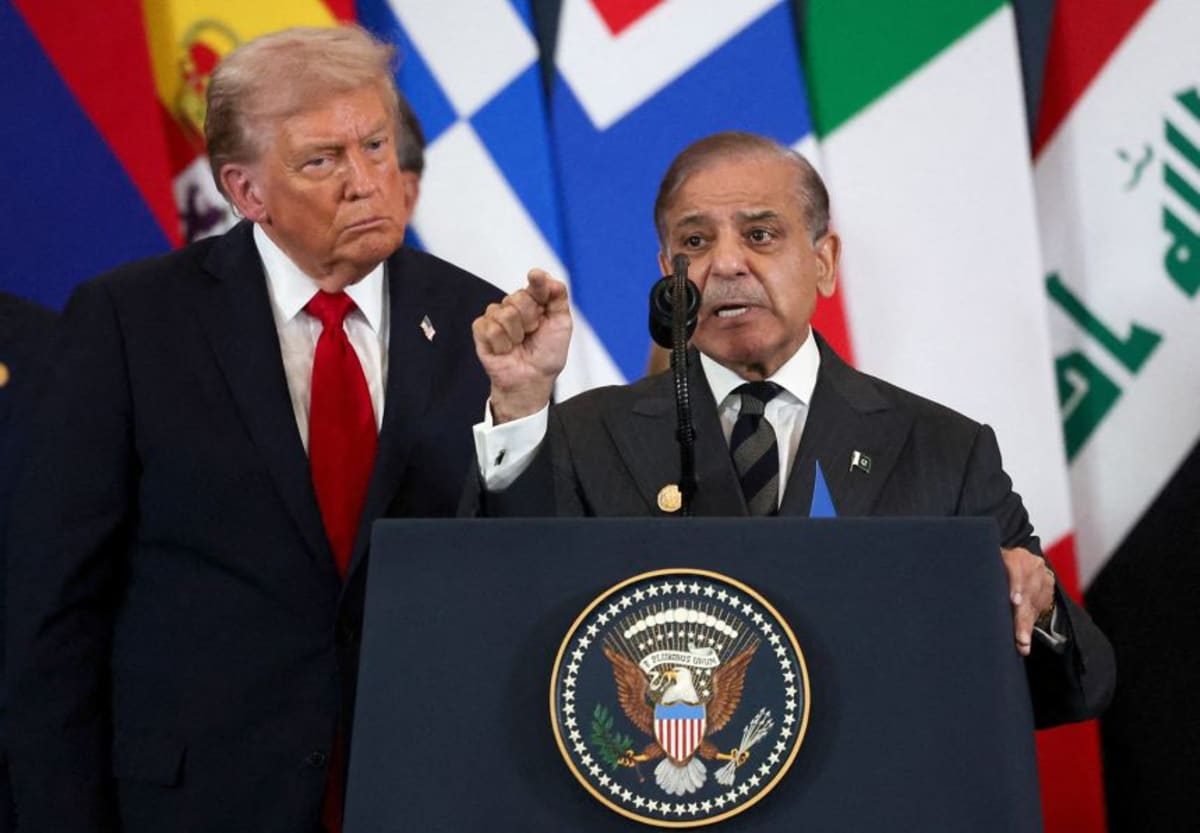
But Pakistan seized an opportunity last year when conflict erupted between the country and its rival India. Islamabad publicly thanked Trump for helping broker peace, signaling a genuine desire to strengthen ties with Washington. The gesture worked.
Pakistan brought unique advantages to the negotiating table. Unlike Gulf nations, it hosts no US military bases and wasn't targeted by Iranian missiles. Iran even allowed Pakistani ships to bypass its blockade of the Strait of Hormuz, highlighting the trust between Tehran and Islamabad.
Geography played a crucial role too. Pakistan shares a 900-kilometer border with Iran and hosts one of the world's largest Shia Muslim populations outside Iran. These connections gave Pakistani diplomats credibility with both sides.
The stakes were deeply personal for Pakistan as well. The country imports most of its energy from the Middle East, and Iran's blockade was choking its economy. A wider war could have forced Pakistan to honor its defense agreement with Saudi Arabia, dragging the nation into direct conflict.
The Ripple Effect
Pakistan's diplomatic success is already changing how the world sees the country. "Pakistan's proactive facilitation efforts puts it on the map as a player showing agency," said Farwa Aamer from the Asia Society Policy Institute. The country is establishing itself as an active voice in shaping the region's future.
The breakthrough also demonstrates how nations can rebuild their international standing through consistent, strategic diplomacy. Pakistani officials worked tirelessly to position their country as a trusted bridge between opposing powers, proving that past mistakes don't have to define future possibilities.
By staying neutral in regional conflicts and maintaining relationships across dividing lines, Pakistan created space for dialogue when the world needed it most. Now thousands of lives may be saved because one country refused to choose sides and instead chose to bring both sides together.
More Images
Based on reporting by Egypt Independent
This story was written by BrightWire based on verified news reports.
Spread the positivity!
Share this good news with someone who needs it