Pakistan's Hidden Solar Boom Could Save $180 Billion
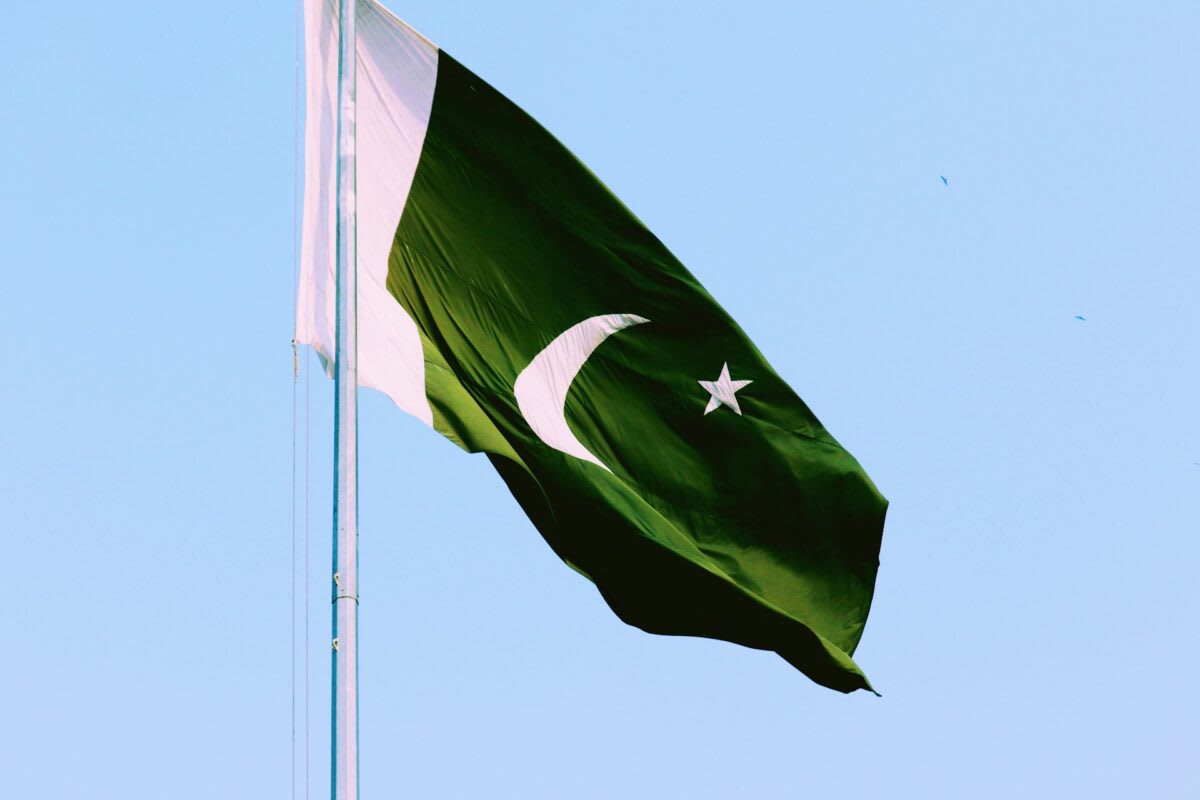
Pakistan has quietly installed 51.5 GW of solar panels that official statistics completely miss, a groundbreaking shift that could eliminate $180 billion in future fossil fuel imports. This citizen-led energy revolution is transforming the nation faster than anyone realized.
While governments debate climate policy, millions of Pakistani households and businesses have already decided: they're going solar, and they're doing it on their own.
A new study from Islamabad think tank Renewables First reveals that Pakistan has imported 51.5 gigawatts of solar panels as of 2025. That's enough to power entire cities multiple times over, yet official government statistics only count 7.6 GW of the nation's total solar capacity.
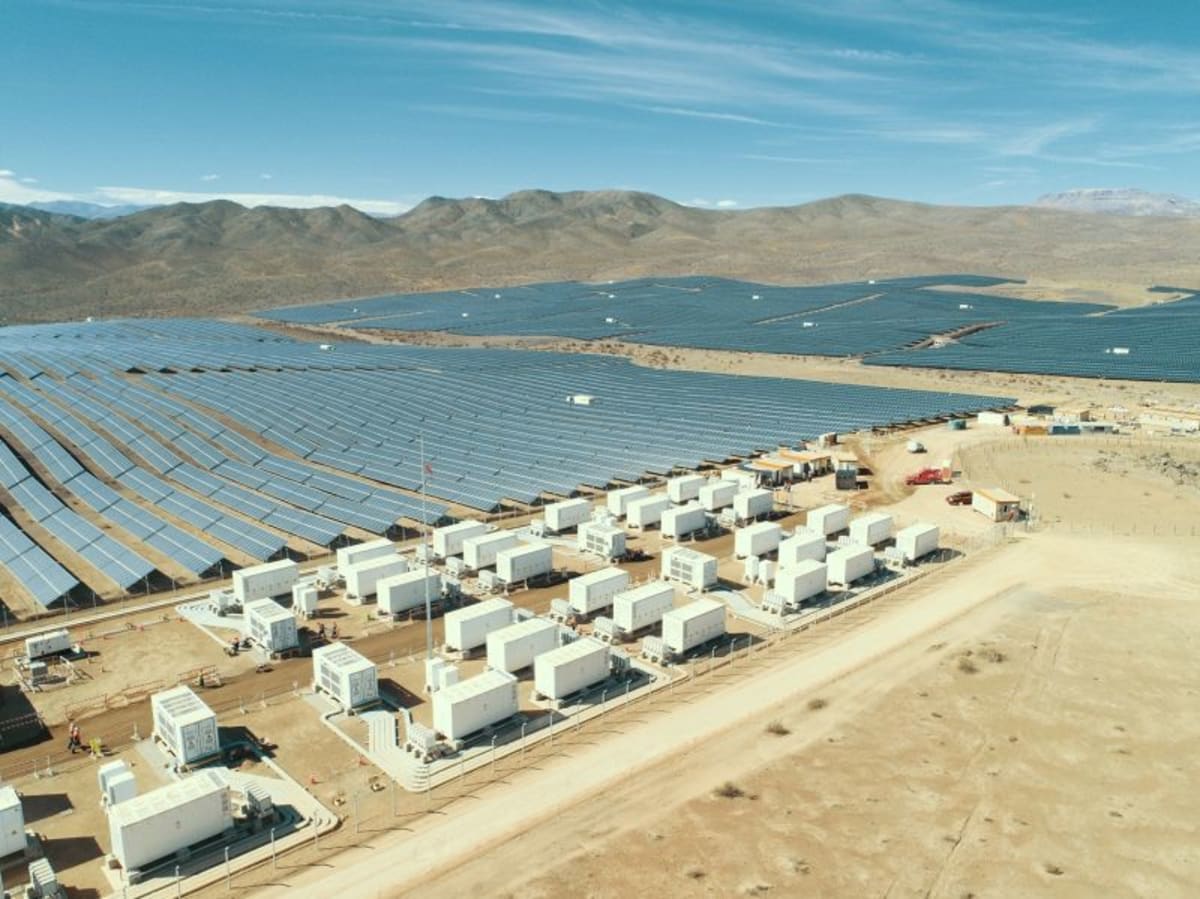
The gap is staggering. Researchers estimate Pakistan's actual solar capacity reached 32 GW by mid-2024, with over 24 GW coming from rooftop installations on homes and businesses that never appear in official records.
"There is not yet a single verifiable source that provides a comprehensive overview," explains Nabiya Imran, the study's co-author. This massive data blind spot means Pakistan's energy transformation has been happening in plain sight while remaining invisible to planners.
The numbers tell an incredible story. These solar installations will generate 1,730 terawatt-hours of electricity over their lifetime and could help Pakistan avoid $180 billion in fossil fuel imports, money that can now stay in local economies instead of flowing overseas.
Pakistan currently loses about 60% of its primary energy during conversion, transport, and end use with fossil fuels. Solar panels on rooftops skip all that waste, delivering power right where people need it with far higher efficiency.
The shift is driven purely by economics, not policy. Families and business owners calculated that solar panels cost less than continuing to pay for imported fuel, so they acted.
The Ripple Effect
This quiet revolution shows how individual choices can reshape an entire nation's energy future. When solar makes economic sense, people don't wait for government programs or international agreements.
Pakistan's transformation offers a blueprint for other import-dependent nations. The think tank notes that consumer economics, not policy design, is driving Pakistan toward becoming what they call an "electrostate" powered by clean energy rather than fossil fuels.
The challenge now is catching up institutionally. Pakistan's utility companies and regulators are still operating as if this transformation hasn't happened, creating risks as the grid adapts to millions of distributed power sources.
But the momentum is undeniable. Population growth, urbanization, and economic expansion typically drive energy consumption upward. Official Pakistani statistics showed flat energy use despite all three factors growing, a puzzle that only makes sense when you account for all those uncounted solar panels quietly powering the nation's progress.
The study argues Pakistan could leverage this distributed solar foundation to build domestic clean technology manufacturing, transforming from energy importer to clean tech producer.
Every solar panel installed is one more step toward energy independence, one less dollar spent on volatile fuel imports, and one more proof point that the future arrives through millions of individual decisions.
More Images

Based on reporting by PV Magazine
This story was written by BrightWire based on verified news reports.
Spread the positivity!
Share this good news with someone who needs it