Panama River Interceptor Stops Tons of Plastic Daily
A massive floating barrier in Panama is catching tons of trash before it reaches the ocean, showing how stopping pollution at rivers can protect marine life. The Ocean Cleanup's Interceptor 025 reveals the surprising journey plastic takes from city streets to the sea.
Most people don't realize that a plastic bottle dropped on a Panama City street could end up floating in the Pacific Ocean within days.
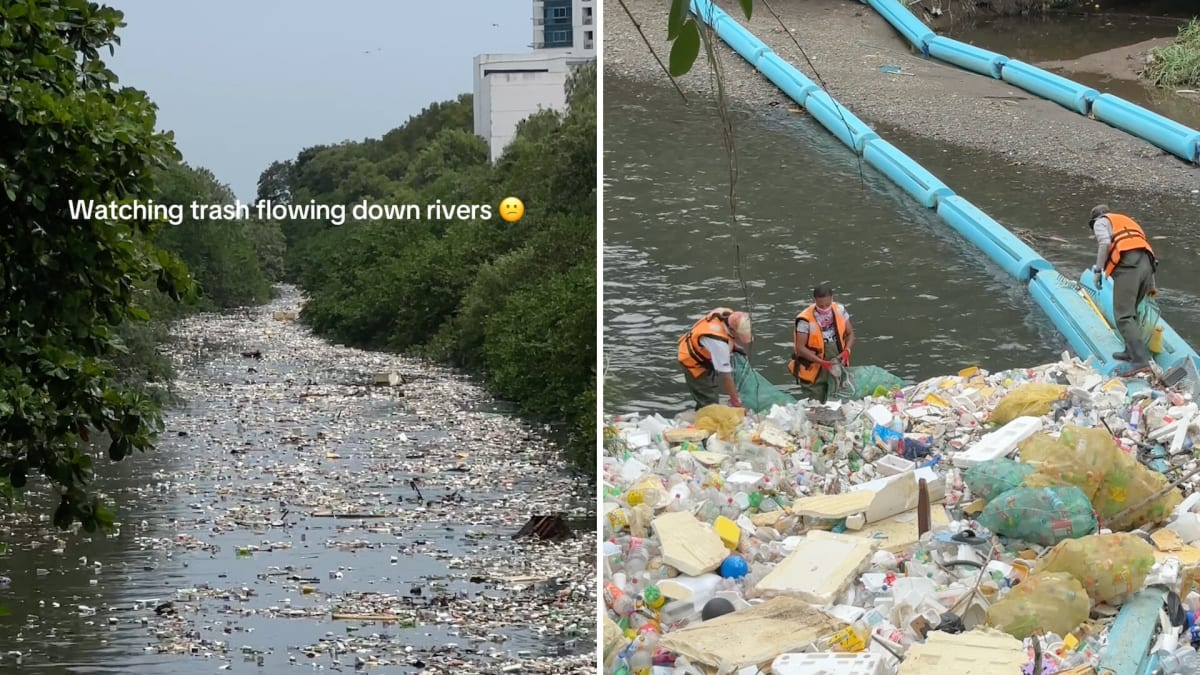
The Ocean Cleanup's Interceptor 025 is changing that story. This floating barrier sits in a Panamanian river, collecting tons of plastic waste before it can reach the ocean.
The organization recently shared footage showing exactly how street litter becomes ocean pollution. Wind and heavy rains sweep plastic from sidewalks and gutters into storm drains. Those drains feed into rivers, which act like conveyor belts carrying trash straight to the sea.
The problem hits hardest in coastal cities where plastic use is growing faster than waste management systems can handle. Without proper collection infrastructure, even carefully disposed items can escape into waterways during storms.
But the Interceptor offers a solution that works right now. The barrier spans the river, catching floating debris while allowing water to flow through. Workers then collect the trapped plastic for proper disposal or recycling.
The Ripple Effect
Cleaner rivers mean more than just less ocean pollution. Communities along these waterways get healthier ecosystems and better public spaces. Fish populations can recover when rivers aren't choked with debris.
Cities save money too. Catching plastic in rivers costs far less than ocean cleanup operations or dealing with waste after it spreads across coastlines. One interceptor can protect entire marine ecosystems downstream.
The Ocean Cleanup has placed similar barriers in Thailand and other countries facing river pollution. Each installation stops waste at the source, preventing it from joining the estimated 8 million tons of plastic entering oceans annually.
People can support these efforts by reducing disposable plastic use and securing trash bins before storms. Simple steps like choosing reusable bags and bottles mean less plastic on streets in the first place.
The Panama interceptor proves we already have tools to tackle plastic pollution at scale.
More Images



Based on reporting by Google News - Ocean Cleanup
This story was written by BrightWire based on verified news reports.
Spread the positivity!
Share this good news with someone who needs it