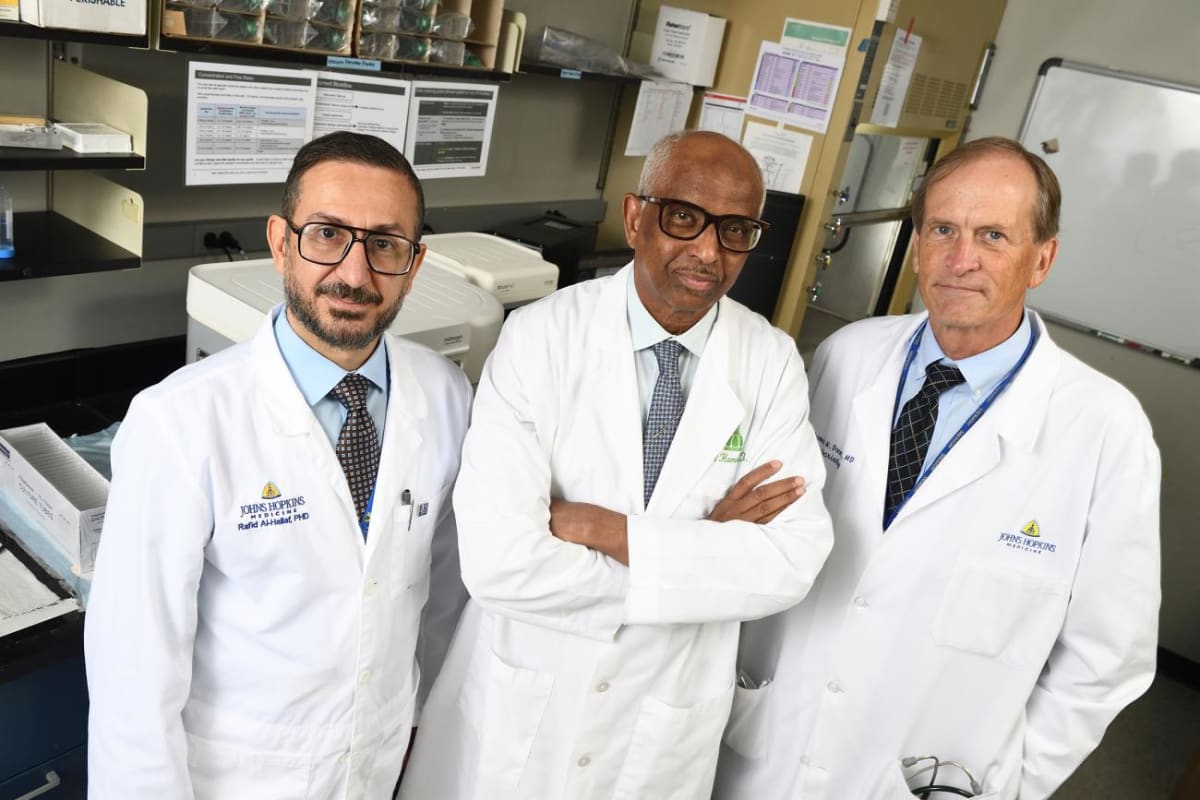
Pancreatic Cancer Vaccine Shows 90% Success in Trial
A new vaccine prevented pancreatic cancer from developing in 20 high-risk patients, with 90% showing lasting immune responses. For the first time, researchers have found a way to intercept one of the deadliest cancers before it starts.
Pancreatic cancer has long been one of the hardest cancers to beat, but scientists at Johns Hopkins University just changed the game entirely.
Researchers tested a vaccine called mKRAS-VAX on 20 people at high risk of developing pancreatic cancer because of genetic mutations passed down through their families. The results exceeded expectations: 90% developed immune responses that lasted up to two years, and none of the participants developed cancer during the study period.
Even more remarkable, over a third of participants saw their precancerous cysts shrink or disappear completely. In a similar unvaccinated group, only 6.8% saw that kind of improvement.
The vaccine works by teaching the immune system to recognize and attack mutations in the KRAS gene, which drives more than 90% of pancreatic cancers. Participants received three priming doses over five weeks, followed by a booster at week 13, all injected under the skin.
This marks the first time a vaccine has successfully intercepted pancreatic cancer in human patients, a milestone that researchers say could transform how we think about cancer prevention. Instead of trying to catch cancer earlier, the goal becomes stopping it from ever taking hold.
Dr. Elizabeth Jaffee, deputy director of the Sidney Kimmel Comprehensive Cancer Center at Johns Hopkins, emphasized the life-saving potential of this approach. "Prevention and interception save lives and reduce the morbidity associated with cancer development and progression," she said.
For people at high risk, the current standard of care involves frequent imaging scans and sometimes surgery. But surgery carries a recurrence risk of up to 80%, and many precancerous lesions are too small to show up on scans at all.
Why This Inspires
This breakthrough represents a fundamental shift in how we approach one of the deadliest diseases. For families who have watched multiple generations battle pancreatic cancer, this vaccine offers something they've never had before: hope that the cycle can be broken.
The vaccine was well tolerated with no serious safety concerns, and the immune responses remained detectable in participants' blood for up to two years. That durability is crucial because cancer prevention requires the immune system to stay primed and ready over time.
Right now, the vaccine isn't available outside of clinical trials, but researchers are already enrolling participants for the next study. If you have a family history of pancreatic cancer or carry a genetic mutation that raises your risk, talk to a specialist about surveillance options and clinical trial eligibility.
Roughly 10% of pancreatic cancer cases are linked to hereditary predisposition, meaning thousands of people could potentially benefit from this approach. The research team is working to identify the best vaccine approaches, the best targets, and the ideal timing for vaccination.
After decades of fighting pancreatic cancer with limited success, researchers have finally found a way to get ahead of it.
More Images


Based on reporting by Google News - Vaccine Success
This story was written by BrightWire based on verified news reports.
Spread the positivity!
Share this good news with someone who needs it