Papua New Guinea Slashes Malaria Deaths 92% Without Vaccine
Papua New Guinea cut malaria deaths from 13 per 100,000 people to just 1 using only existing tools like bed nets, rapid tests, and treatment. The island nation, which accounts for 90% of malaria cases in the Western Pacific, proves that coordinated action saves lives even without new technology.
Papua New Guinea just proved you don't need breakthrough technology to save thousands of lives.
The island nation slashed its malaria death rate by 92% using only tools that already existed: insecticide-treated bed nets, rapid diagnostic tests, and proven drug treatments. Deaths dropped from 13 per 100,000 people to just 1, transforming a crisis into a manageable challenge.
This victory matters because Papua New Guinea carries 90% of all malaria cases in the Western Pacific region. What happens there ripples across neighboring communities and shows other malaria-stricken nations what's possible with focus and coordination.
Lucy Dally, the country's malaria coordinator, shared the breakthrough at the Morobe Health Authority 2025 Review Meeting last week. Her team didn't wait for a miracle cure. They got to work with what they had.
The numbers tell a powerful story. In 2000, malaria killed 700 people annually across Papua New Guinea. Last year, that number fell to 148. In Morobe, the most populous province, only 66 deaths were recorded.
The turnaround came from teamwork across government agencies. Surveillance teams spotted outbreaks early and immediately alerted malaria response teams, who rushed in with testing and treatment. No bureaucratic delays. No siloed departments. Just coordinated action.
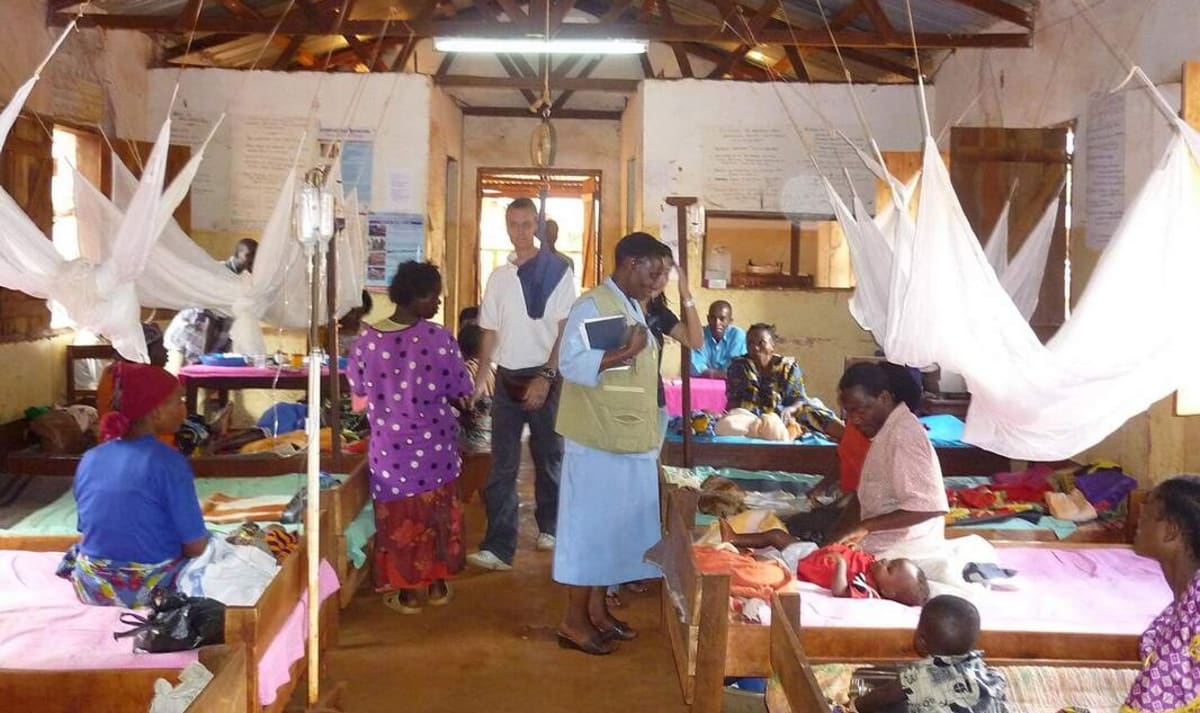
This year alone, provincial health teams delivered nets, medicines, and test kits to 60 health centers across the country. Even as total case counts climbed to 913,701 by 2023, the highest since 2012, deaths kept falling because more people got diagnosed and treated quickly.
The country's Artemisinin Combination Therapies program and expanded rapid diagnostics testing made the difference. When people can get tested immediately and receive effective treatment on the spot, malaria becomes survivable.
The Ripple Effect
Papua New Guinea's success sends a message to the 247 million people worldwide living in malaria zones. You don't need to wait for a vaccine that might take years to develop and distribute. The tools to dramatically reduce deaths exist right now.
Other nations struggling with malaria can follow this blueprint: distribute bed nets widely, train local health workers to test quickly, and ensure treatment reaches remote communities. The strategy works in dense rainforests and isolated villages alike.
The country isn't declaring victory yet. Its national strategy aims to reduce cases by 63% and deaths by 95% while getting 95% of residents sleeping under treated nets. But the 92% reduction in deaths proves the goal isn't just ambitious. It's achievable.
Papua New Guinea turned malaria from a leading killer into a manageable disease, one bed net and test kit at a time.
More Images
Based on reporting by Good News Network
This story was written by BrightWire based on verified news reports.
Spread the positivity!
Share this good news with someone who needs it