Parkinson's Research Advances Give Patients New Hope
Scientists are making breakthrough progress in treating Parkinson's disease, offering fresh hope to millions living with symptoms that often go far beyond visible tremors. New therapies and $2.5 billion in research funding are transforming how doctors understand and manage this complex condition.
Parkinson's disease affects far more than what meets the eye, and researchers are finally catching up to its hidden complexities.
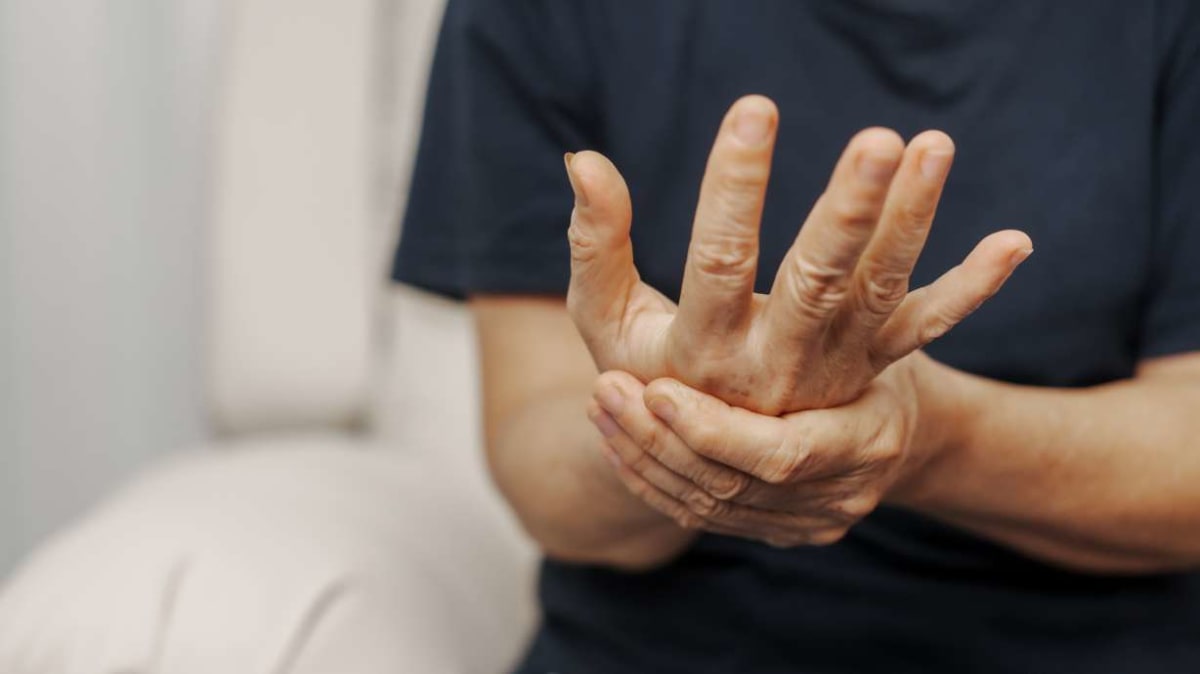
Up to 20% of Parkinson's patients never develop the tremors most people associate with the condition. The disease can strike people under 50, just as it did with actor Michael J. Fox at age 29. His diagnosis became a turning point not just for him, but for millions of patients worldwide.
Dr. Sunil Rathore, a neurologist at Holy Cross Hospital in Salt Lake City, explains that the invisible symptoms often pose the biggest challenges. Sleep problems, anxiety, cognitive changes, and chronic pain can appear years before any shaking begins.
These hidden symptoms transform everyday tasks into mountains to climb. Getting dressed, driving to work, or meeting friends can feel overwhelming, sometimes leading people to withdraw from social connections they desperately need.
Why This Inspires
The medical community is responding with real solutions. Deep Brain Stimulation now precisely targets the brain areas causing motor symptoms, offering relief when medications fall short. Focused ultrasound technology provides another option for patients seeking better symptom control.
Scientists are exploring disease-modifying drugs that could slow progression and gene therapy that might one day stop Parkinson's at its source. The Michael J. Fox Foundation has raised over $2.5 billion for research, dramatically accelerating the pace of discovery.
Dr. Rebecca H. Reiser, also a neurologist at Holy Cross Hospital, sees the progress firsthand. She says researchers now understand Parkinson's at the molecular level, leading to treatments that target specific mechanisms rather than just masking symptoms.
Local communities are stepping up too. Support groups, specialized exercise classes, and educational events help patients and caregivers navigate the journey together. Early diagnosis combined with proactive care makes a measurable difference in quality of life.
The landscape of Parkinson's treatment looks brighter than ever, with each research breakthrough bringing patients closer to not just managing symptoms, but potentially finding a cure.
More Images




Based on reporting by Google News - Health
This story was written by BrightWire based on verified news reports.
Spread the positivity!
Share this good news with someone who needs it
%3Amax_bytes(150000)%3Astrip_icc()%3Afocal(999x0%3A1001x2)%2Fmichael-j-fox-1-16107b4a149a485e83a78fedd03d5096.jpg)