Pasadena Students Build Cities, Lead Change, Champion Books
From second graders designing sustainable cities to high schoolers shaping district policy, Pasadena Unified students are proving that meaningful change starts in the classroom. Three district-wide initiatives show how young people are learning to think critically, lead boldly, and solve real-world problems.
Students across Pasadena Unified School District are showing what happens when schools invest in curiosity, leadership, and hands-on learning.
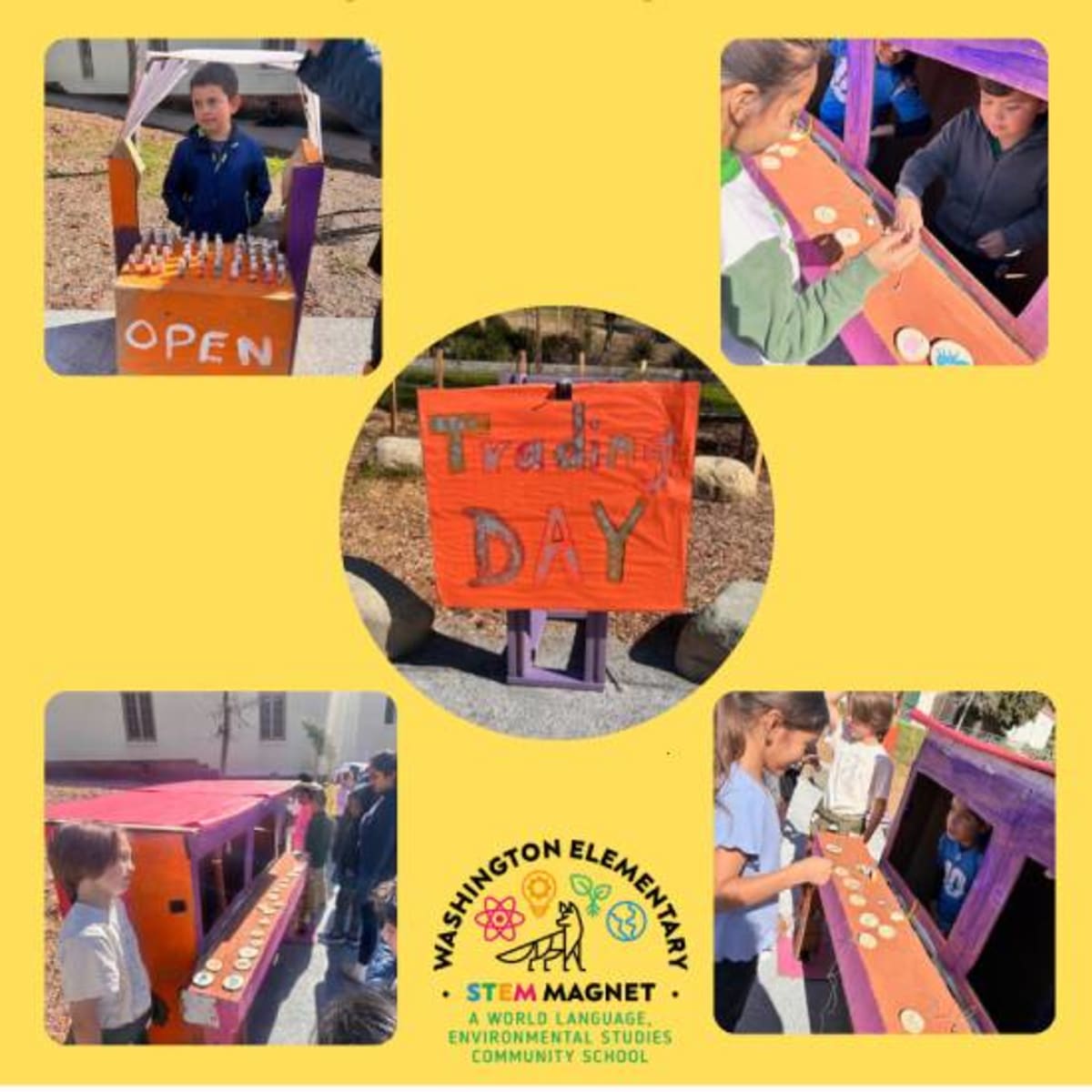
At Washington Elementary STEM Magnet, second graders aren't just reading about sustainability. They're building entire cities from scratch, balancing environmental protection with community needs, then running interactive economies where they buy, sell, and trade goods in student-created markets.
The project spans two trimesters and teaches real-world skills in city planning, resource management, and collaboration. These seven-year-olds are grappling with the same challenges city planners face every day.
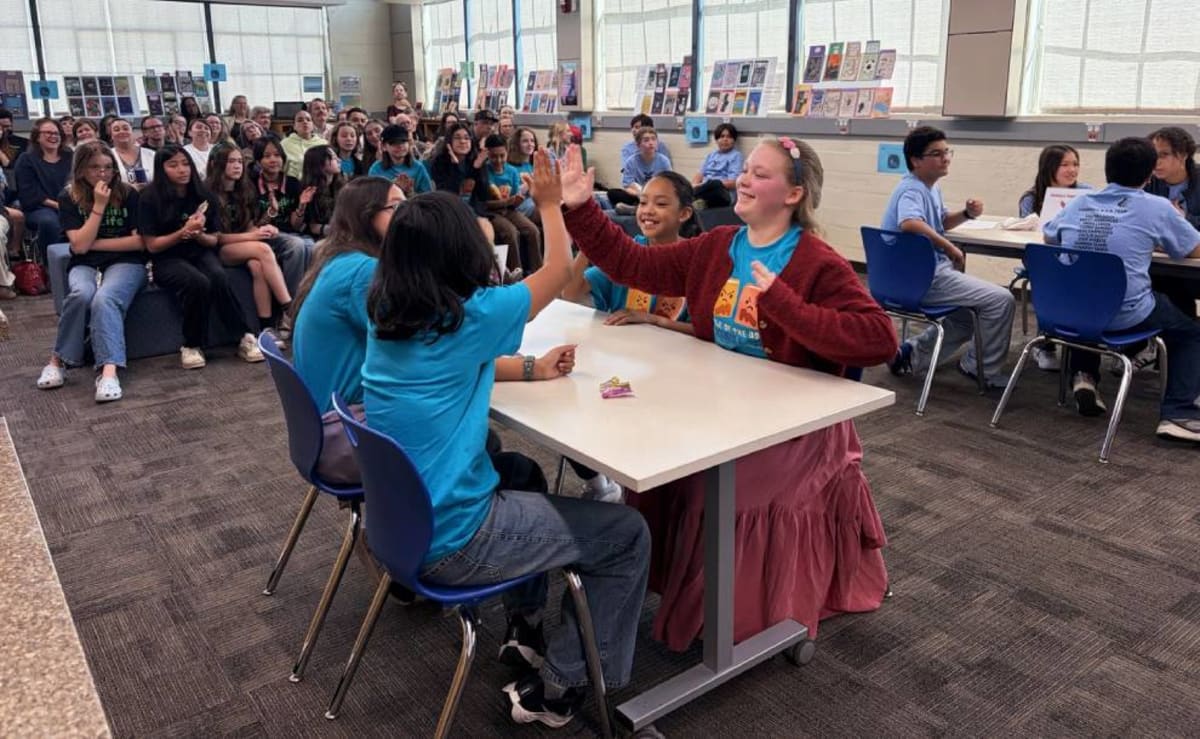
Meanwhile, Marshall Secondary School's library recently buzzed with competitive energy during the district's "Battle of the Books" competition. Students read 14 books, then faced off in live trivia challenges that tested their literary knowledge and quick thinking.
Octavia E. Butler Magnet took gold, with Thurgood Marshall Secondary earning silver and Eliot Arts Magnet claiming bronze. District librarians earned recognition for coaching students and nurturing a genuine love of reading that goes beyond required assignments.
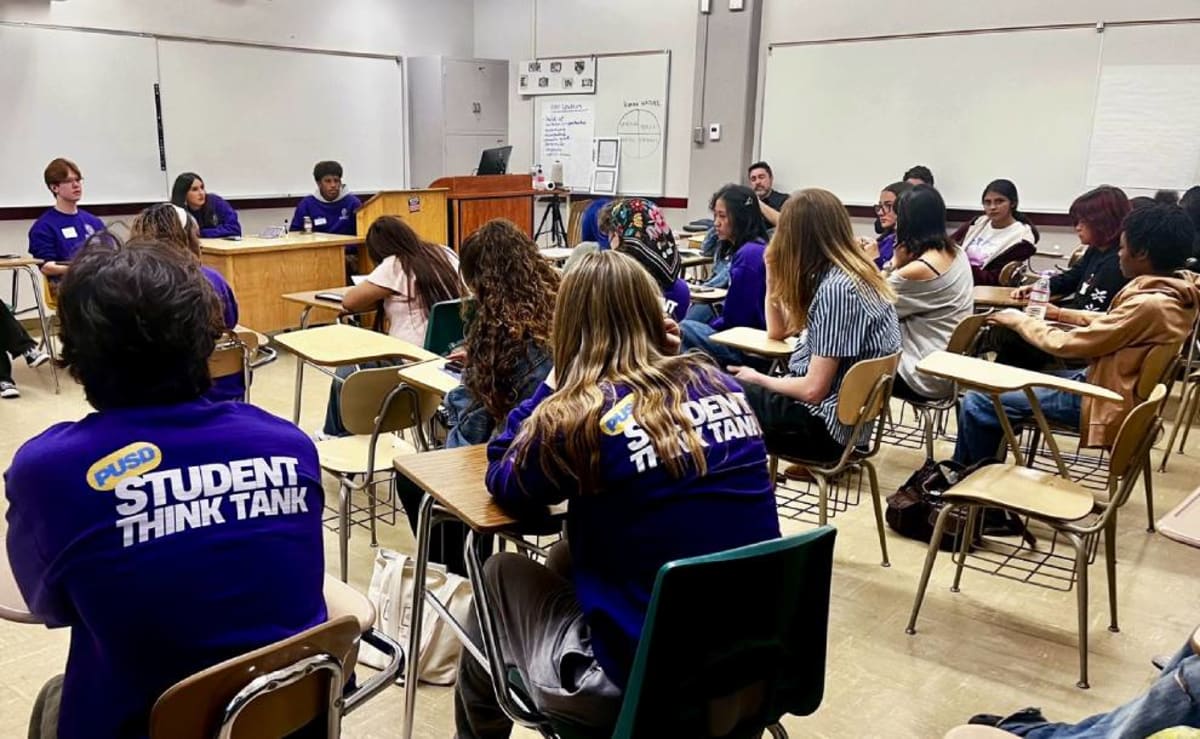
At the high school level, more than 110 students gathered at Pasadena City College for "Leaders of Change," the district's second annual youth conference. Student-led panels explored empathy, systems change, and how young voices can shape school communities.
PUSD alumna Nikki High delivered the keynote address, encouraging students to see themselves as agents of change rather than passive recipients of decisions made by adults. The message resonated, with participants from the PUSD Student Think Tank and Assembly already playing active roles in district decisions.
The Ripple Effect
These aren't isolated activities or one-off events. They represent a coherent vision of education that treats students as capable thinkers and leaders right now, not someday in the future.
When second graders learn to balance competing priorities in city planning, they're developing the critical thinking skills our communities desperately need. When high schoolers influence district policy through formal channels, they learn that their voices matter and systems can change.
The district's approach sends a clear message: young people don't need to wait until adulthood to make meaningful contributions. Schools that trust students with real responsibility often discover capabilities that traditional assignments never reveal.
From elementary innovation to high school leadership, Pasadena Unified is proving that the next generation of problem-solvers is already here.
More Images
Based on reporting by Google News - School Innovation
This story was written by BrightWire based on verified news reports.
Spread the positivity!
Share this good news with someone who needs it
%2Ffile%2Fattachments%2Forphans%2F6I1A1413_975311.jpg)