Patch Helps Sleepers Reach REM 43 Minutes Faster
A soft wearable patch helped people fall into deep REM sleep nearly an hour faster and stay there longer, without medication or surgery. The breakthrough could help millions struggling with sleep disorders, PTSD, and depression.
Imagine falling into restorative dream sleep almost an hour faster, with nothing more than a comfortable patch on your skin.
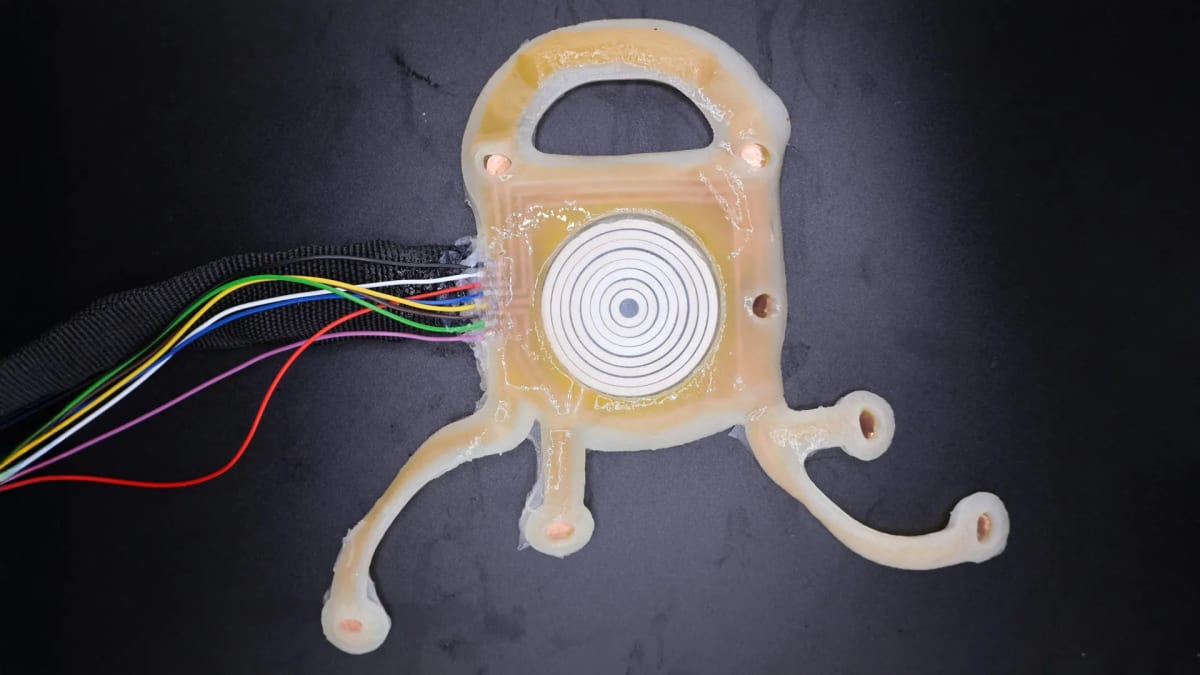
Researchers at the University of Texas at Austin have created NEUSLeeP, a soft wearable device that helped 28 people reach REM sleep 43 minutes sooner and remain there 16 minutes longer. The results, published in Nature Communications, mark the first time scientists have noninvasively targeted deep brain regions involved in sleep while monitoring the brain's response in real time.
The patch combines gentle ultrasound stimulation with electrodes that track brain activity as it happens. This allows the device to influence areas of the brain involved in sleep without invasive procedures or pharmaceutical side effects.
The benefits showed up in both healthy sleepers and people experiencing sleep difficulties. Participants described the patch as comfortable and safe, with minimal adverse effects reported during the study.
REM sleep does more than create dreams. This critical stage helps the brain process emotions, reset stress responses, and build psychological resilience.
Among healthy participants, the patch increased heart rate variability, a key indicator of the body's ability to handle stress. Brain scans revealed changes in circuits associated with emotion, suggesting the technology could support mood regulation.
"REM sleep is not just about dreaming. It's about emotional reset and stress adaptation," explained Gregory Fonzo, assistant professor at Dell Medical School's Department of Psychiatry. By enhancing REM, people may better cope with stress and improve overall well-being.
The Ripple Effect
The potential reach of this technology extends far beyond better sleep. REM sleep disruptions have been linked to depression, anxiety, and post-traumatic stress disorder.
Current treatments often come with unwanted side effects or fail to address the underlying factors that interfere with REM sleep. NEUSLeeP offers a different path forward.
The research team plans larger studies to evaluate whether the device could help people with PTSD, depression, and chronic insomnia. They also envision applications in home sleep monitoring, neuroscience research, and personalized sleep treatments.
"Our vision is a future where patients with mental health disorders can optimize their sleep with a noninvasive and safe treatment," said Dr. Vincent Mysliwiec, a sleep disorders expert at UT Health San Antonio. This technology could help millions of people get the restorative sleep they need.
The team is working with UT's commercialization unit to move the technology toward the market, with a patent application already filed.
Better sleep for millions could soon be just a patch away.
Based on reporting by Health Daily
This story was written by BrightWire based on verified news reports.
Spread the positivity!
Share this good news with someone who needs it