PCOS May Delay Menopause and Boost Fertility After 40
Women with polycystic ovary syndrome are discovering unexpected pregnancies in their 40s, dubbed "evening stars" by doctors. New research shows PCOS may delay menopause by years and improve fertility as women age.
Women told they'd struggle to conceive are getting a surprising second chance at motherhood in their 40s, thanks to an unexpected benefit of a condition long considered purely problematic.
Doctors in Finland noticed a pattern. Women with polycystic ovary syndrome (PCOS) kept reporting unexpected pregnancies well into their 40s, conceiving naturally after years of believing they'd need fertility treatments. Researchers decided to investigate what they affectionately call these miracle babies: "evening stars."
A study tracking 1,849 Finnish women from birth revealed something remarkable. By age 46, only 3 percent of women with PCOS had reached late perimenopause or menopause, compared to 18 percent of women without the condition. The findings suggest PCOS may delay menopause by up to four years.
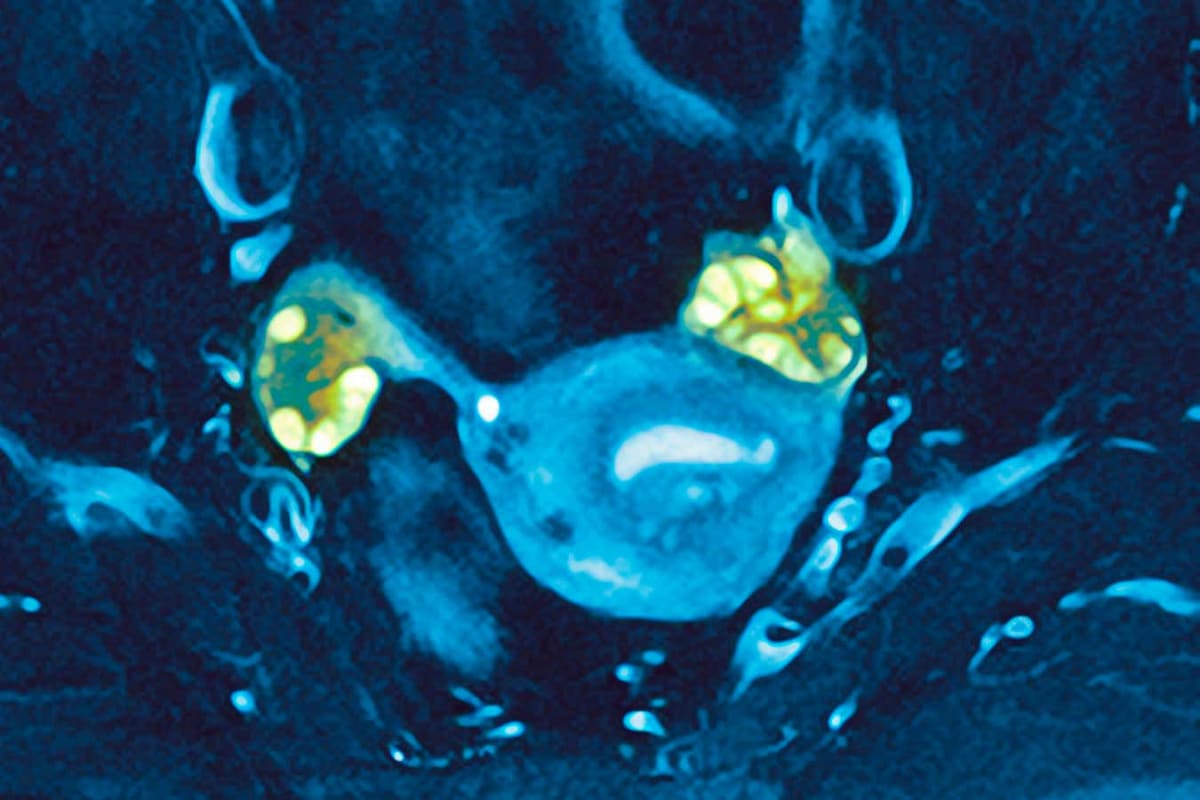
The reason lies in how PCOS affects the ovaries throughout life. Dr. Terhi Piltonen at Oulu University Hospital in Finland explains that women with PCOS are born with a larger reserve of eggs. In younger years, this creates problems because the ovaries become "too tight" with crowding.
This overcrowding prevents eggs from maturing properly, causing irregular periods and making conception difficult. Multiple eggs try to develop simultaneously but get stuck midway, creating the dark spots on ultrasounds that gave the syndrome its misleading "cyst" name.
But as women age and their egg supply naturally decreases, something wonderful happens. The ovaries become less crowded, allowing eggs to mature and release more easily. Periods often become more regular, and fertility surprisingly improves right when many women assumed their chances had ended.
The Bright Side
The delayed menopause from PCOS appears to offer genuine health advantages. Later menopause means prolonged estrogen production, which protects against weaker bones, heart disease, and other complications linked to hormonal decline. One study found women who reached menopause after 55 lived two years longer on average than those who experienced it before 40.
Piltonen believes PCOS may have even offered evolutionary benefits to our ancestors. When food was scarce and childbirth dangerous, the ability to store energy, space out pregnancies, and reproduce at older ages could have been lifesaving advantages.
The research offers fresh perspective on a condition affecting millions of women worldwide. While PCOS still presents real challenges in early adulthood, from metabolic issues to irregular cycles, knowing about potential benefits later in life provides hope and better planning opportunities.
For women with PCOS approaching their 40s, the message is clear: your fertility story may have more chapters than you think.
More Images



Based on reporting by New Scientist
This story was written by BrightWire based on verified news reports.
Spread the positivity!
Share this good news with someone who needs it