Pediatricians Call Paid Paternity Leave Preventive Care
A Philadelphia pediatrician argues that giving fathers paid time off isn't just family policy—it's essential healthcare for children. Science shows that engaged fathers from day one build stronger, healthier kids.
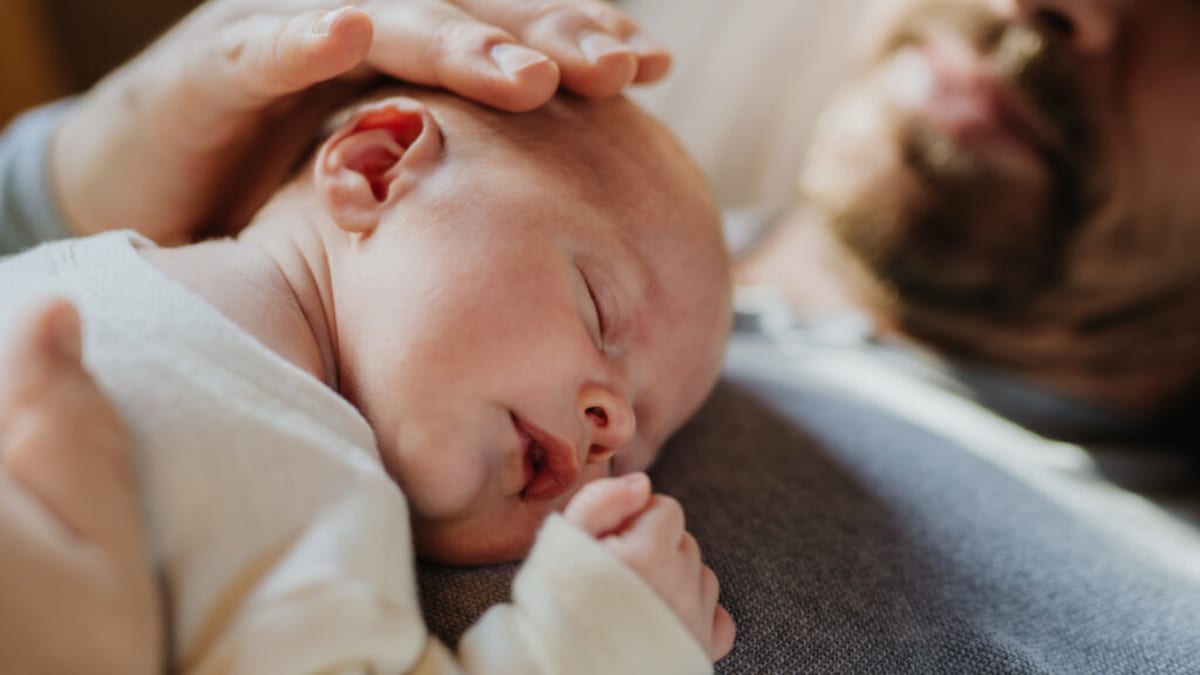
A new father cradled his newborn daughter during a routine checkup in Philadelphia, his face a mix of joy and worry. "I can't believe I have to go back to work tomorrow," he told his pediatrician.
For Dr. Nishant Pandya, this heartbreaking moment happens too often. Fathers want to be present during their babies' first days, but most simply can't afford to stay home.
Now pediatricians are making a bold case. They say paid paternity leave isn't just good for families—it's actual preventive medicine for children.
The science backs them up in surprising ways. Studies show that engaged fathers help children develop stronger language skills, better emotional control, and improved thinking abilities. When dads share newborn care, mothers experience less postpartum depression during a vulnerable time.
Even more fascinating, fatherhood physically changes men's brains. Researchers have found that caring for infants strengthens the same brain networks in fathers that activate in mothers. Holding a crying baby at 2 a.m., changing diapers, and feeding a newborn aren't just chores—they build the neural pathways for caregiving.
But here's the problem. Only one quarter of American workers can access paid family leave through their jobs. A 2026 study found mothers took an average of seven weeks off after birth, while fathers took just three days.
Less than three quarters of fathers took any leave at all. Only 36% managed more than two weeks away from work.
The United States stands nearly alone among wealthy nations without national paid parental leave. Fifteen states and Washington D.C. have passed their own laws, meaning a family's leave depends on where they happen to live.
The Ripple Effect
Pediatricians already champion policies proven to help children thrive. They advocate for vaccines, promote early reading programs, and screen families for food insecurity. Now they're adding paid paternity leave to that list.
The American Academy of Pediatrics shifted its stance in 2016, calling on doctors to treat fathers as essential caregivers, not just supporters standing on the sidelines. That recognition matters because those early weeks create the foundation for lifelong parent-child bonds.
For many fathers, returning to work days after their child's birth isn't really a choice. It's an economic necessity that costs their family something irreplaceable—time to build relationships during the window when it matters most.
Dr. Pandya couldn't write his patient a prescription for time with his daughter, but policymakers could create that opportunity. As he notes, medicine can't legislate parental love, but it can create the conditions that allow love to grow into lasting bonds.
The message from pediatricians is clear: if we're serious about child health, we need to support fathers from the very beginning.
More Images


Based on reporting by STAT News
This story was written by BrightWire based on verified news reports.
Spread the positivity!
Share this good news with someone who needs it