Penguins Return to Island After Feral Cats Removed
For the first time since the 1980s, penguins are nesting on a remote Australian island after scientists successfully removed every feral cat. The dramatic comeback shows how quickly wildlife can recover when threats disappear.
Penguins have returned to a tiny Bass Strait island for the first time in 40 years, proof that removing invasive predators can bring ecosystems roaring back to life.
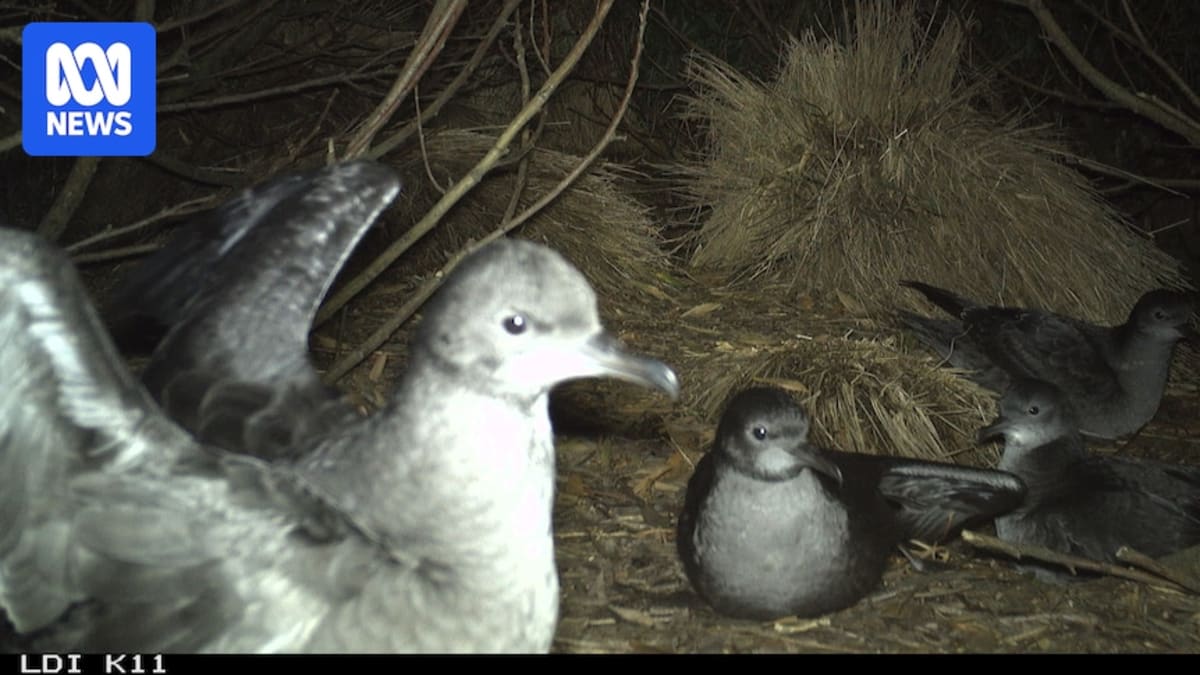
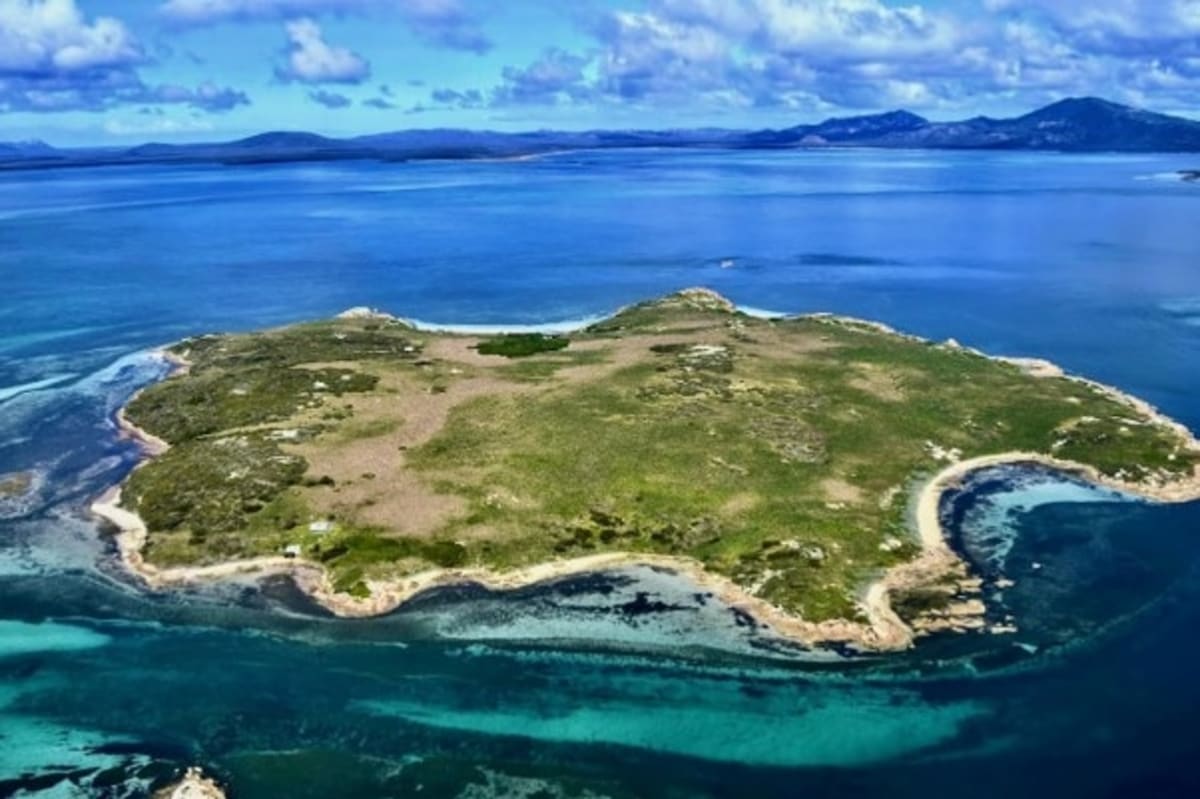
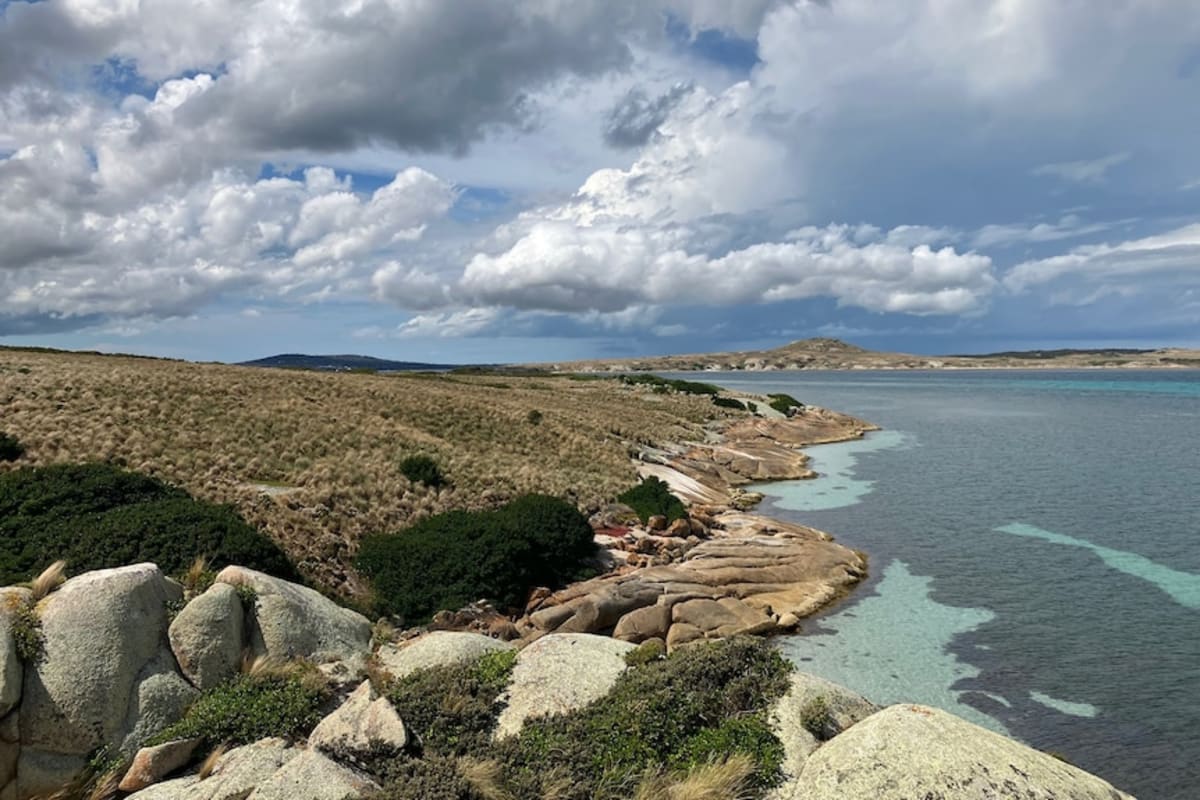
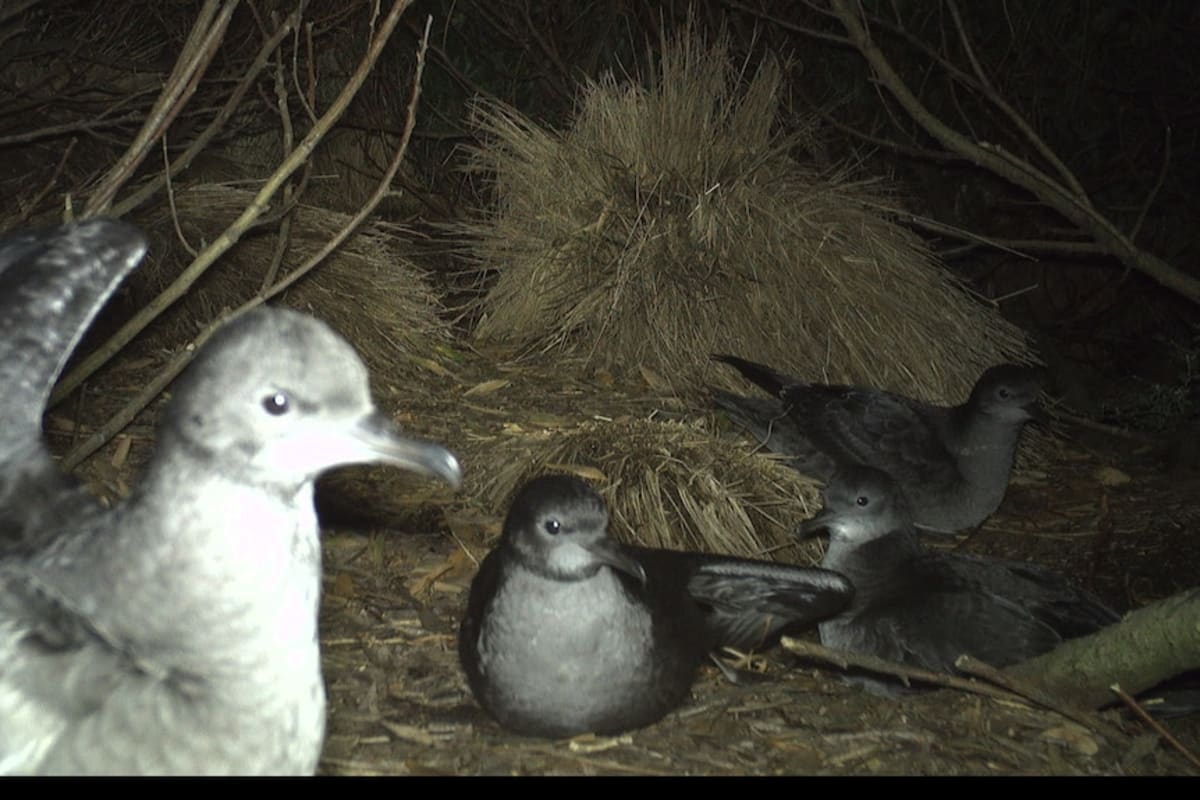
Little Dog Island sits off Tasmania's northeast coast, an 83-hectare speck of land that hosts half a million nesting seabirds every year. But feral cats introduced decades ago during livestock grazing had been devastating the bird populations, particularly seasonal nesters like shearwaters and penguins.
Dr. Sue Robinson, an invasive species biologist with Biosecurity Tasmania, led the charge to save the island. During the winters of 2022 and 2023, her team trapped and humanely removed 21 feral cats from the small island.
"On 83 hectares, that's a lot of cats," Robinson said. "Clearly they would have been doing a lot of damage."
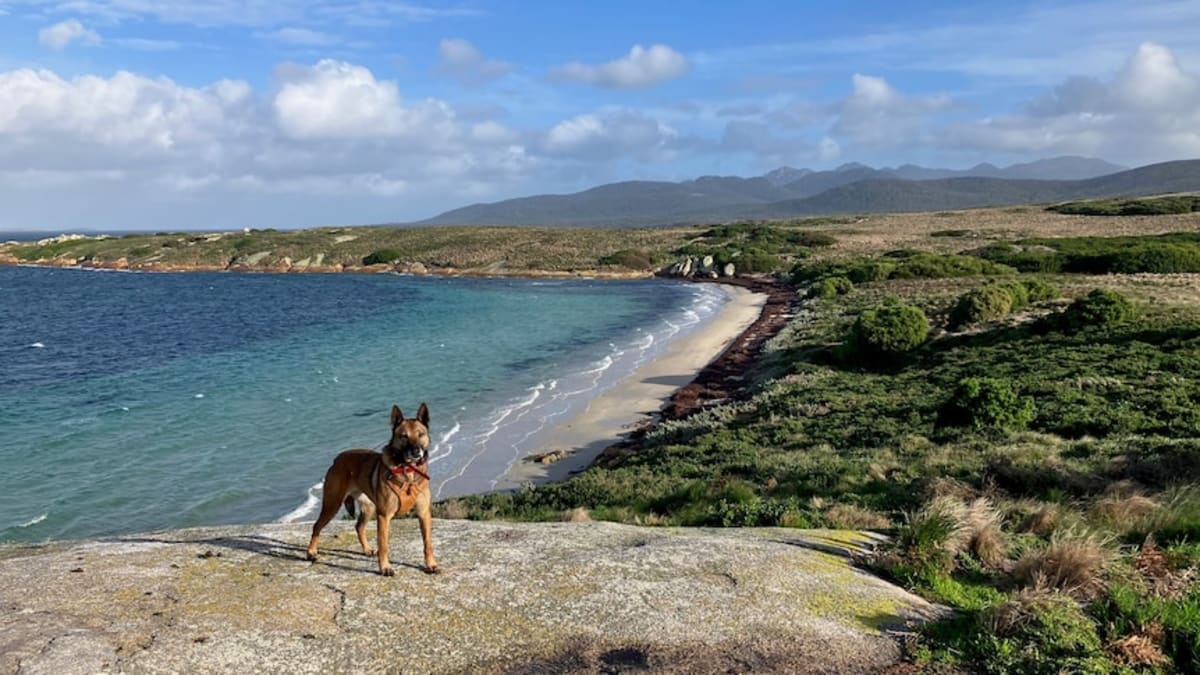
The team used thermal imaging, scent detection dogs, and motion sensing cameras to verify every single cat was gone. The monitoring worked. No feral cats have been detected since.
The results came fast. Penguins appeared on Little Dog Island's shores for the first time since the 1980s, ready to nest in safety.
Robinson's team also removed more than 100 possums, which prey on seabird eggs and chicks. Both species are now considered eradicated from the island.
The Ripple Effect
Little Dog Island joins a growing list of Australian islands being restored to their natural state. In 2018, Western Australia declared Dirk Hartog Island cat-free after 400 years of feline presence.
These island victories matter beyond their shores. They prove that eradication programs work and provide blueprints for protecting vulnerable species elsewhere. The methods refined on Little Dog Island can now guide conservation efforts across Australia and around the world.
Federal Agriculture Minister Julie Collins praised the coordinated approach. "This maximises control efforts, increases information sharing and drives down negative impacts on our farmers and producers and the environment," she said.
Robinson remains optimistic about the island's future. Once invasive predators are removed from islands, they rarely return naturally, giving native species a permanent safe haven.
The shearwaters, penguins, and countless other birds now have their island back.
More Images
Based on reporting by ABC Australia
This story was written by BrightWire based on verified news reports.
Spread the positivity!
Share this good news with someone who needs it