Pennsylvania County Blocks Data Center on Farmland
In a unanimous vote, three Pennsylvania commissioners chose community voices over corporate interests, denying a request to turn 800 acres of farmland into industrial land for a data center. The decision marks a growing national trend of communities successfully pushing back against energy-intensive projects.
When Montour County's three commissioners gathered Tuesday, they had a choice: approve an 800-acre rezoning plan that could have brought new development, or listen to months of community concerns. They chose their neighbors.
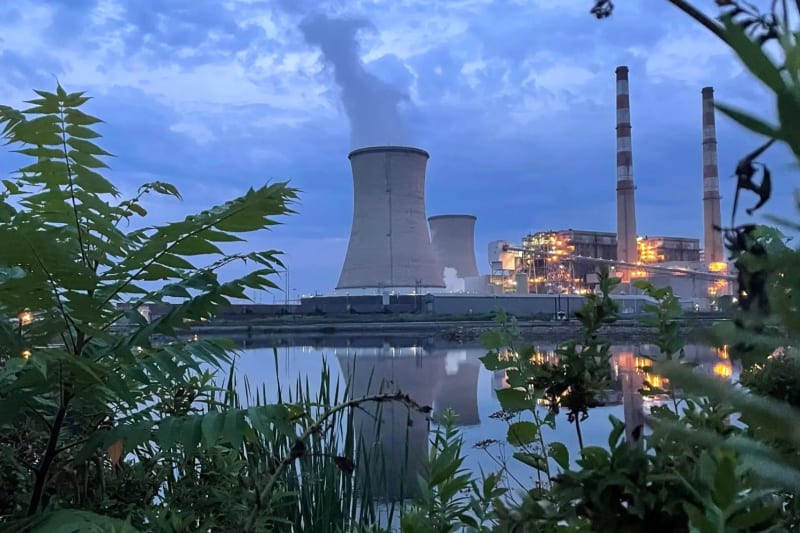
The commissioners unanimously rejected Talen Energy's request to convert agricultural land into industrial space for a data center project. The decision also blocked plans to expand a nearby coal and gas power plant that would have powered the facility.
Commission chair Rebecca Dressler said the company failed to prove how the project would benefit the community. "No evidence was provided demonstrating that the benefits outweigh documented and foreseeable public harms," she explained before casting her vote.
The decision surprised even the project's critics, who had braced for disappointment. Ginny Kerslake, an organizer with Food & Water Watch, called it a "David and Goliath" moment for local residents who showed up to meeting after meeting to voice their concerns.
Talen Energy responded graciously, saying they'll take time to listen more closely to community feedback and refine their plans. The company emphasized its commitment to creating jobs and generating tax revenue for local schools and public services.
The Ripple Effect
This victory isn't happening in isolation. Across America, communities are finding their voices and saying no to projects that don't serve their needs.
In the second quarter of 2025 alone, 20 data center projects were blocked or delayed nationwide, a 125 percent increase from the previous year. Local groups in 17 states successfully stopped or delayed two-thirds of the 30 projects they challenged.
Pennsylvania has become a hotspot for this movement. Residents who organized against fracking expansion in recent years brought that same energy and organizing experience to the data center debate.
Their concerns are practical and pressing: rising electricity bills, heavy water use, and air pollution affecting nearby homes. These aren't abstract worries but real impacts on daily life.
The trend extends beyond Pennsylvania. Communities in Chandler, Arizona, and Naperville, Illinois, recently achieved similar victories, proving that local voices can shape development decisions.
Mitch Jones, who tracks these efforts at Food & Water Watch, sees a pattern emerging. Communities are becoming more sophisticated at organizing and more confident in challenging projects that don't align with local priorities.
What makes Montour County's decision especially meaningful is what it represents: elected officials who listened. In an era when corporate interests often seem to steamroll local concerns, three commissioners chose differently.
They valued farmland over industrial expansion, community health over corporate promises, and constituent voices over development dollars. That's democracy working exactly as it should.
Based on reporting by Inside Climate News
This story was written by BrightWire based on verified news reports.
Spread the positivity!
Share this good news with someone who needs it