Pennsylvania Turns Abandoned Mines Into Data Centers
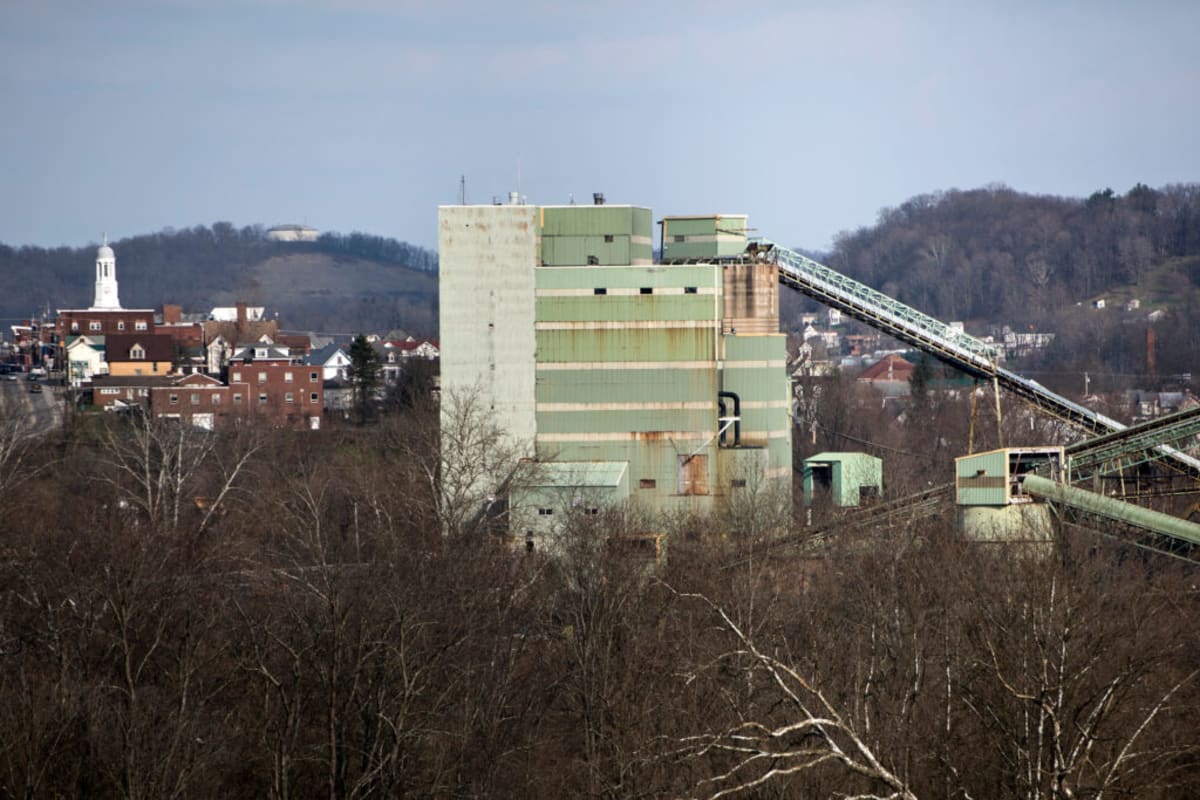
Pennsylvania is solving two problems at once by building data centers on 5,586 abandoned coal mine sites instead of destroying forests and farmland. The polluted lands offer natural cooling from underground water and existing power infrastructure.
What if the solution to one environmental problem could prevent another?
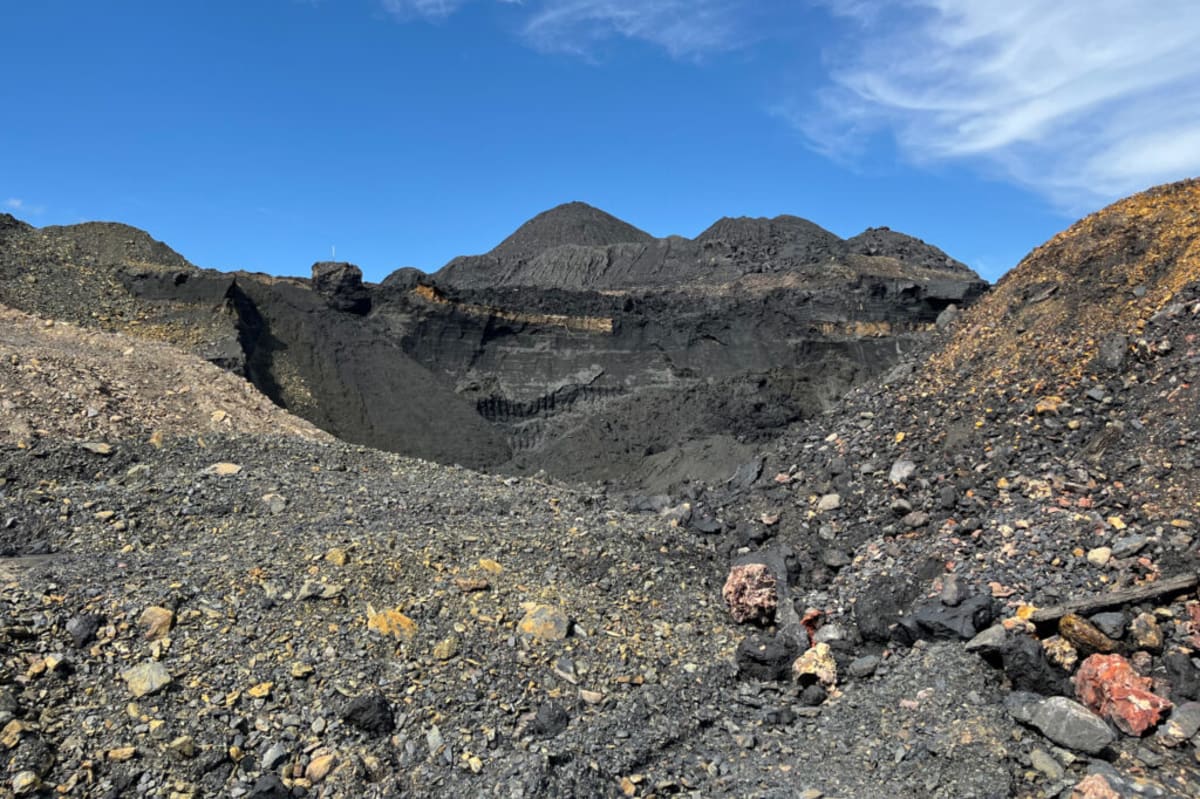
Pennsylvania is turning its biggest liability into an unexpected asset. The state has more abandoned coal mines than anywhere else in America, with thousands of polluted sites that would cost $5 billion to clean up. Now researchers say these contaminated lands are perfect for housing data centers.
Nobody wants a data center in their neighborhood. The facilities drain massive amounts of energy and water, create noise pollution, and often require bulldozing forests or farmland. But abandoned mine sites are already damaged and unwanted.
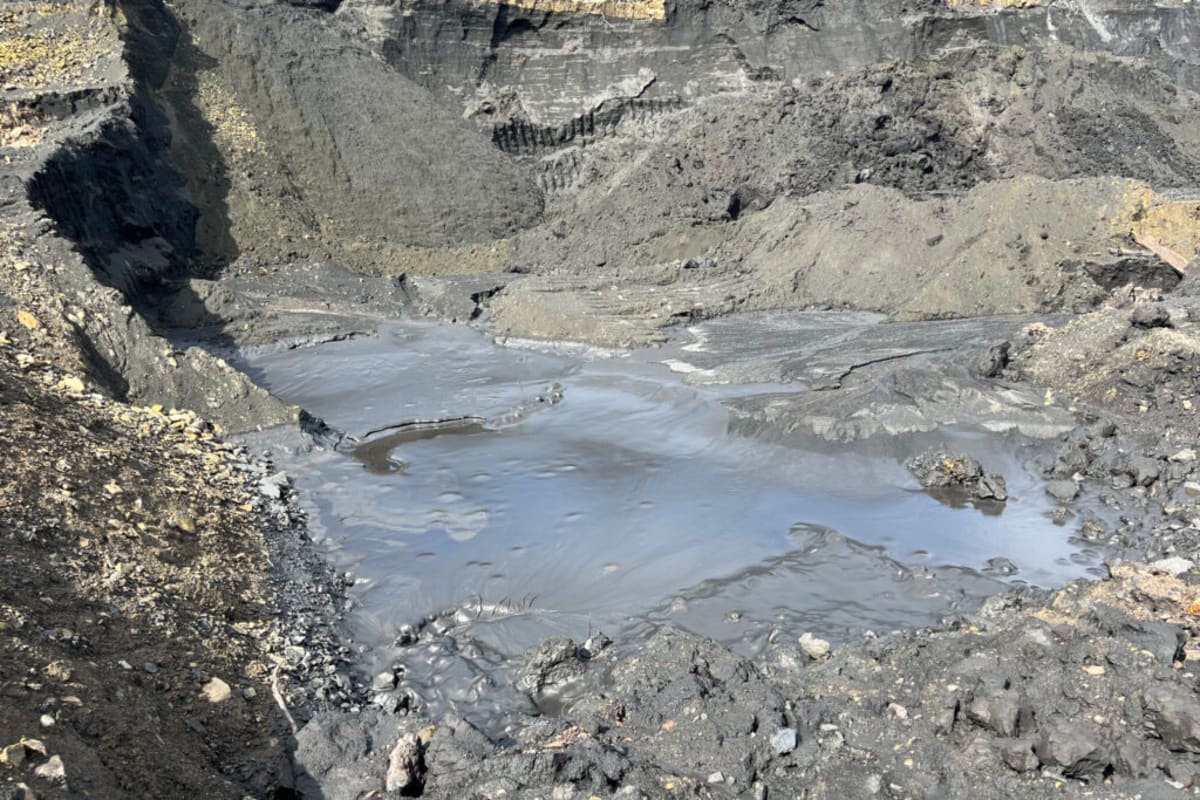
The science behind the idea is simple. Underground mine pools stay naturally cold, around 50 degrees year-round. Data centers need constant cooling to prevent their servers from overheating, and that cooling typically uses 100 million gallons of water each year.
One facility is already proving the concept works. Iron Mountain's data center in Boyers sits 220 feet underground in a former limestone mine. The 330,000 square foot facility runs entirely on water from a 100-acre underground lake, bringing in zero outside water.
"We are using what the miners had left behind," said Chris Pennington, Iron Mountain's senior director of energy and sustainability. The facility has operated successfully since 2013.
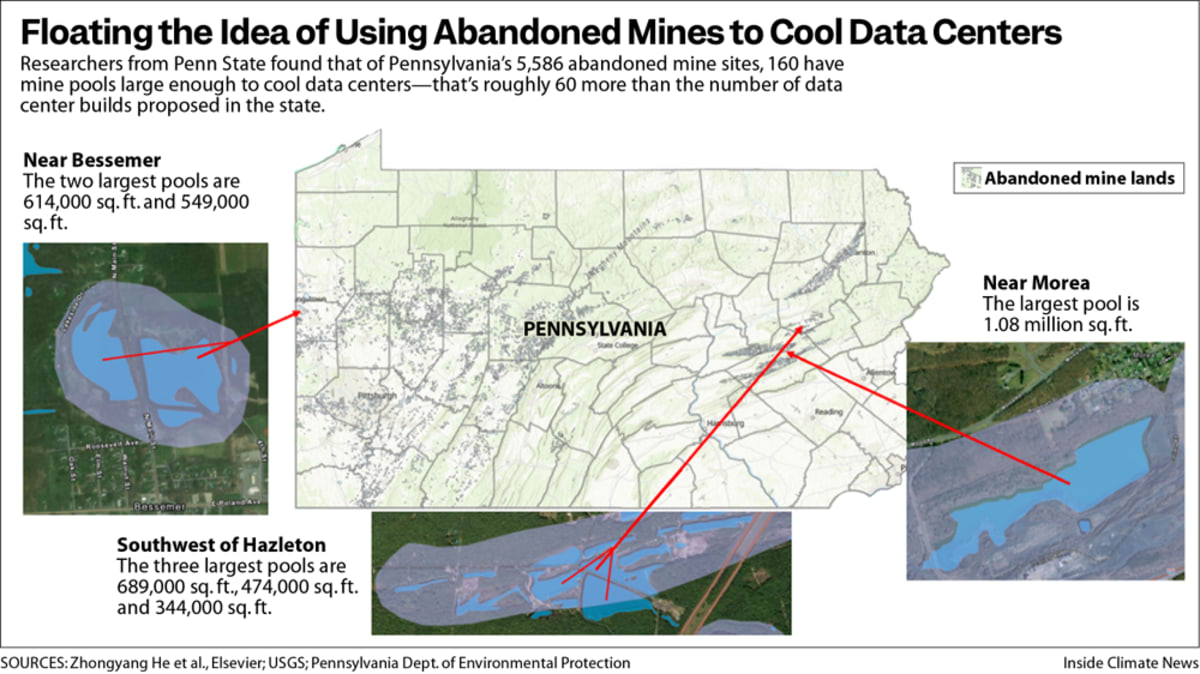
Penn State researcher Zhongyang He analyzed all 5,586 abandoned mine sites in Pennsylvania. His team found 160 with mine pools large enough to accommodate data centers. Pennsylvania currently has 100 data centers proposed for development.
The benefits go beyond natural cooling. Many old mine sites already have roads, electrical permits, and transmission lines that once powered mining equipment. Companies building on these sites could help shoulder cleanup costs for contamination that has poisoned thousands of miles of waterways.
The Ripple Effect
This solution creates wins across the board. Communities get to keep their forests and farms intact. Tech companies get naturally cooled facilities with existing infrastructure. The environment gets cleaner as contaminated sites finally see investment and restoration.
Several more projects are moving forward. Greene County approved a data center at the former Robena Mine last year. Another is planned for the old Consol coal mine in Washington County. West Virginia is pursuing similar projects with its abandoned mining lands.
Local acceptance depends on one key factor. "If data centers can demonstrate they can clean up and treat the acid water and help restore their local environment, local people are more likely to accept such development proposals," He said.
The idea is spreading beyond Pennsylvania. West Virginia's Data Center Ridge offers access to 10 billion gallons of underground water at a former mine site. Italy built a data center 328 feet underground in an active dolomite mine, cooled by surrounding rock.
Pennsylvania is showing how creative thinking can transform yesterday's environmental damage into tomorrow's sustainable infrastructure.
More Images
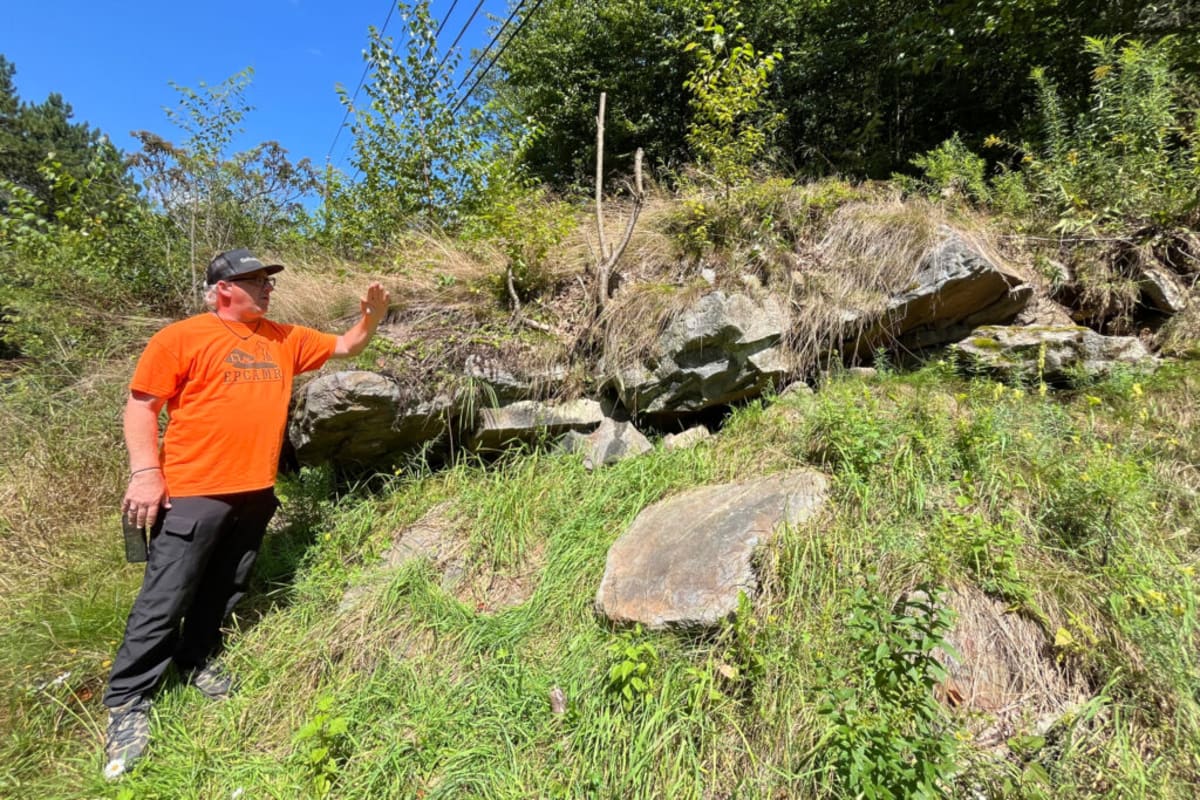
Based on reporting by Inside Climate News
This story was written by BrightWire based on verified news reports.
Spread the positivity!
Share this good news with someone who needs it