Perennial Crops Could Fix Climate, Food, and Soil Problems
A UC Santa Barbara professor says the secret to fighting climate change might be hiding in plain sight: plants that grow back year after year. Her new book shows how perennial crops could slash emissions, feed more people, and heal damaged soil.
Imagine if we could fight climate change, improve food security, and restore degraded farmland all at once. According to new research, the solution might be as simple as planting crops that don't need replanting every year.
Liz Carlisle, an environmental studies professor at UC Santa Barbara, believes perennial plants hold the key to a more sustainable future. Her new book "Living Roots: The Promise of Perennial Foods" explores how these long-living crops could transform agriculture while tackling some of our biggest environmental challenges.
The difference comes down to roots. While annual crops like wheat and corn need replanting every season, perennials invest energy in deep root systems that regenerate year after year. Think of fruit trees, nut orchards, and perennial grasses that produce food without constant tilling and replanting.
Agriculture currently pumps out 16 to 17 billion metric tons of carbon annually, accounting for a quarter to a third of global emissions. Perennial farming cuts those emissions dramatically because farmers don't need to disturb the soil every season.
The benefits go far beyond carbon. Deep roots prevent erosion, reduce flooding, eliminate the need for constant fertilization, and store massive amounts of carbon underground. In areas facing drought, these plants can survive heat and water stress that would kill shallow-rooted annuals.
Carlisle's book brings together more than 30 voices from farmers, scientists, and Indigenous communities across six continents. From the American plains to Turkish highlands to Ugandan fields, contributors share how perennial crops have sustained their communities for generations.
The Ripple Effect
The perennial food movement isn't just helping individual farms. It's creating resilient ecosystems that protect communities from climate disasters while producing abundant, diverse food sources.
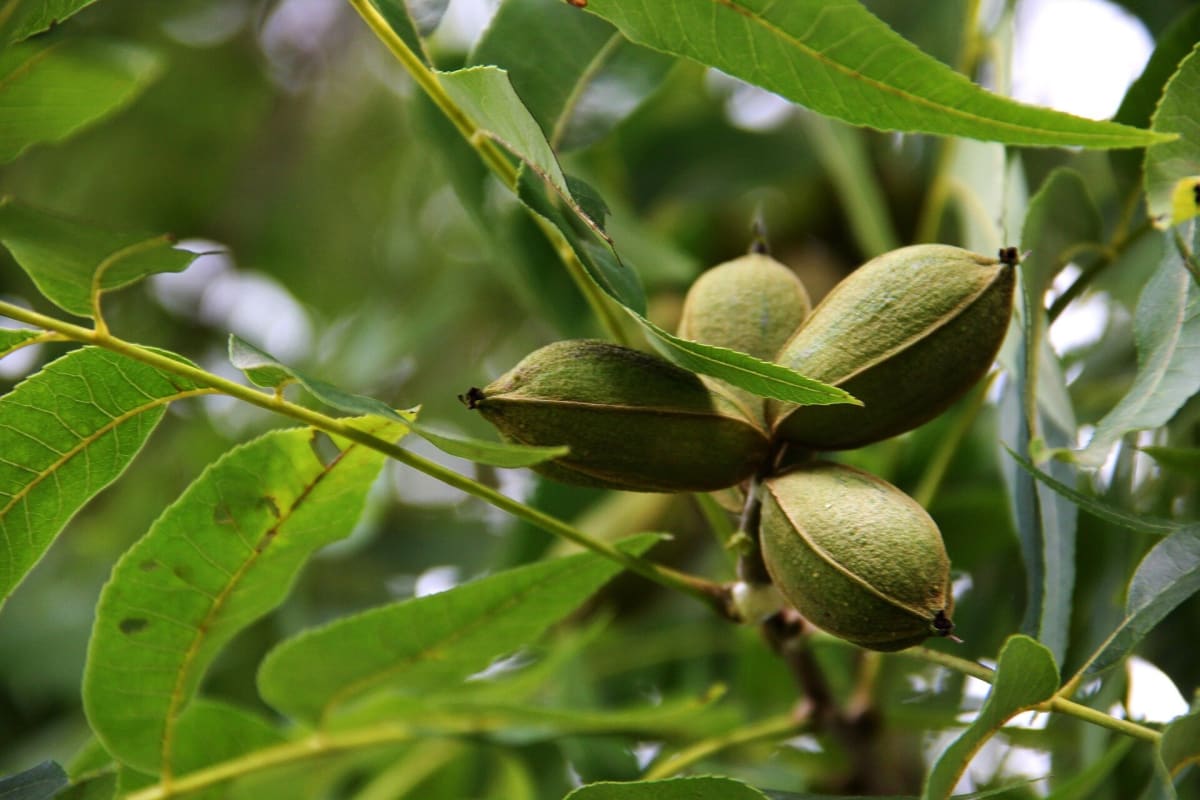
Local farmers growing tree nuts and fruits are already part of this shift. Ranchers raising animals on perennial pastures instead of industrial feedlots are building healthier landscapes. These aren't radical changes but simple swaps that ordinary people can support with their food choices.
Carlisle emphasizes that annual crops will always have a place in agriculture. But when you look at natural ecosystems, they're dominated by perennials for good reason. Nature figured out long ago that plants with strong roots create stable, productive environments.
For anyone feeling overwhelmed by climate news, this research offers something rare: a clear path forward that's already working. You don't need to wait for policy changes or new technology. Supporting local growers who use perennial crops is a step anyone can take today.
The movement is growing from the ground up, proving that sometimes the best solutions for tomorrow's problems come from plants that have been here all along.
More Images

Based on reporting by Phys.org
This story was written by BrightWire based on verified news reports.
Spread the positivity!
Share this good news with someone who needs it