Perseid Meteor Shower Peaks During Total Solar Eclipse
This week brings a rare cosmic double feature: the year's brightest meteor shower peaks on the same day as a total solar eclipse. The new moon means perfectly dark skies for watching up to 100 shooting stars per hour. #
Nature is putting on a spectacular light show this week, and the timing couldn't be better.
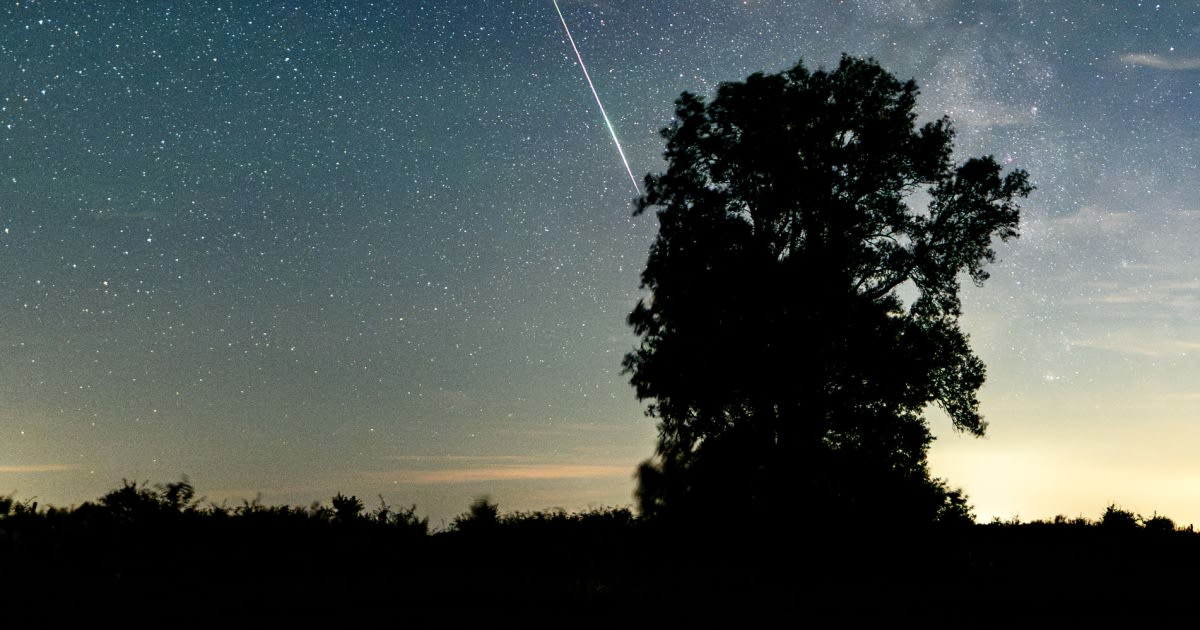
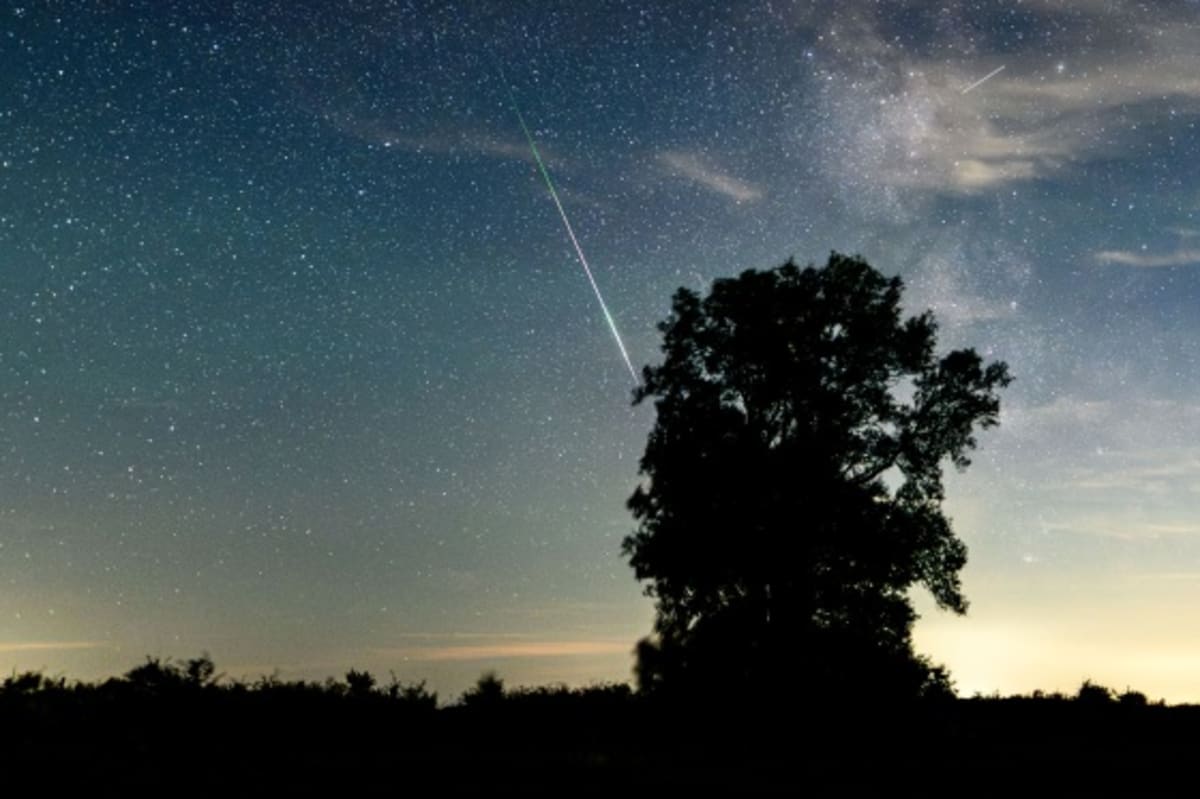
The Perseid meteor shower reaches its peak Wednesday night into Thursday morning, delivering up to 100 shooting stars per hour under perfect conditions. This year, viewers get a special bonus: the new moon means zero moonlight to wash out the show.
The timing gets even more extraordinary. Wednesday also brings a total solar eclipse visible across Spain, Portugal, Greenland, Iceland, and northern Russia. In places where the eclipse happens around sunset, lucky skywatchers might see meteors streaking across the darkened sky during totality, when the moon fully blocks the sun.
The Perseids have dazzled summer skywatchers for generations. Earth passes through a cloud of debris left behind by comet Swift-Tuttle, discovered back in 1862. When those ancient dust particles hit our atmosphere, they create brilliant streaks of light.
What makes the Perseids special is their reliability and intensity. They show up every year during warm summer nights in the Northern Hemisphere, making them accessible to anyone willing to stay up late. The shower is already underway and will continue for another two weeks, though peak viewing happens in the predawn hours Thursday.
The Perseids are famous for producing fireballs, extra bright meteors that leave glowing trails as they burn up. These spectacular flashes can outshine Venus and create memories that last a lifetime.
Why This Inspires
This celestial event reminds us that some of the most amazing experiences in life are completely free. No telescope needed, no special equipment required. Just dark skies, patience, and a sense of wonder.
NASA is making the show accessible to everyone by hosting a virtual watch party on YouTube starting at midnight ET Thursday. Live cameras at Marshall Space Flight Center in Huntsville, Alabama will capture the shower in real time.
For the best viewing experience, find a spot away from city lights, give your eyes 20 to 30 minutes to adjust to the darkness, and look up. The universe is ready to put on a show.
#
More Images

Based on reporting by Google News - Science
This story was written by BrightWire based on verified news reports.
Spread the positivity!
Share this good news with someone who needs it