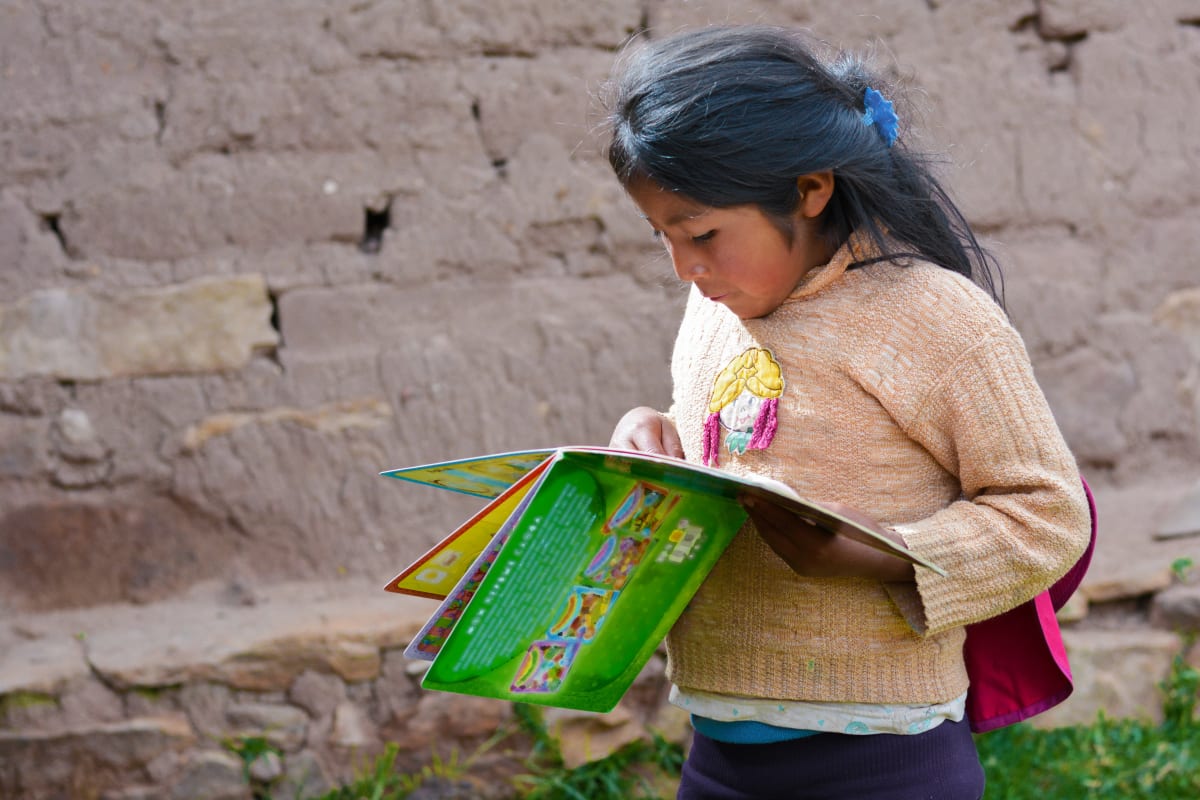
Peru Cuts Child Stunting by 60% in Two Decades
Peru slashed childhood stunting from 31% to just 12% between 2000 and 2023, proving that dramatic progress against child poverty is possible. The secret? Economic growth paired with smart social programs that work together.
When families across Peru received support through the country's JUNTOS cash transfer program, something remarkable happened to their youngest children. Kids who got help in their first three years of life were 13 percentage points less likely to suffer from stunting by age seven.
That single program is just one piece of Peru's inspiring success story. Over the past two decades, the South American nation has shown the world that child poverty isn't an unsolvable problem.
The numbers tell a powerful story. Childhood stunting in kids under five dropped from 31% in 2000 to 12% in 2023. That represents hundreds of thousands of children growing up healthier, stronger, and ready to learn.
Peru didn't rely on one magic solution. The country combined steady economic growth with expanded social safety nets. Women gained more work opportunities. Families earned better wages. And crucially, the government invested in programs that addressed multiple needs at once.
JUNTOS didn't just hand out money. It connected families to healthcare and education while providing cash support. Early childhood programs like Cuna Más gave kids a strong start. Secondary school reforms kept older students engaged with full-day learning.
The strategy worked because these programs reinforced each other. A child who receives proper nutrition can focus better in school. A student with access to healthcare misses fewer classes. When you tackle interconnected problems together, you multiply the impact.
The Ripple Effect
Peru's progress offers hope far beyond its borders. Children make up less than a third of the global population but more than half of those living in extreme poverty. What works in one country can light the way for others.
Similar patterns emerged in case studies from seven countries reviewed by the Global Coalition to End Child Poverty. Nations that combined economic growth with strong social programs saw the biggest gains. Countries that invested in public services like clean water, education, and healthcare reduced poverty faster.
The lesson extends to wealthy nations too. Poland and the United Kingdom both used social protection programs to lift children out of poverty. The approach scales across income levels.
Barriers still remain, especially for historically excluded groups. Girls, young women, and children with disabilities face extra challenges accessing jobs and services. But Peru's experience proves that intentional, coordinated efforts can overcome even stubborn inequalities.
The data comes from Young Lives, a research project that followed the same children from infancy to adulthood. Watching real kids grow up healthier because of these policies makes the statistics come alive.
Child poverty causes harm that lasts a lifetime, affecting education, health, and future opportunities. But Peru proved that with the right mix of economic opportunity and social support, dramatic progress happens within a generation.
More Images
Based on reporting by Google News - Poverty Reduction
This story was written by BrightWire based on verified news reports.
Spread the positivity!
Share this good news with someone who needs it