Peru Ordered to Pay Family After 30-Year Justice Fight
A human rights court has ordered Peru to compensate the family of Celia Ramos, who died after forced sterilization in 1997. The landmark ruling marks the first time an international court has held Peru accountable for a campaign that affected hundreds of thousands.
After nearly three decades of searching for answers, a family in Peru has finally received recognition from one of the world's most important human rights courts.
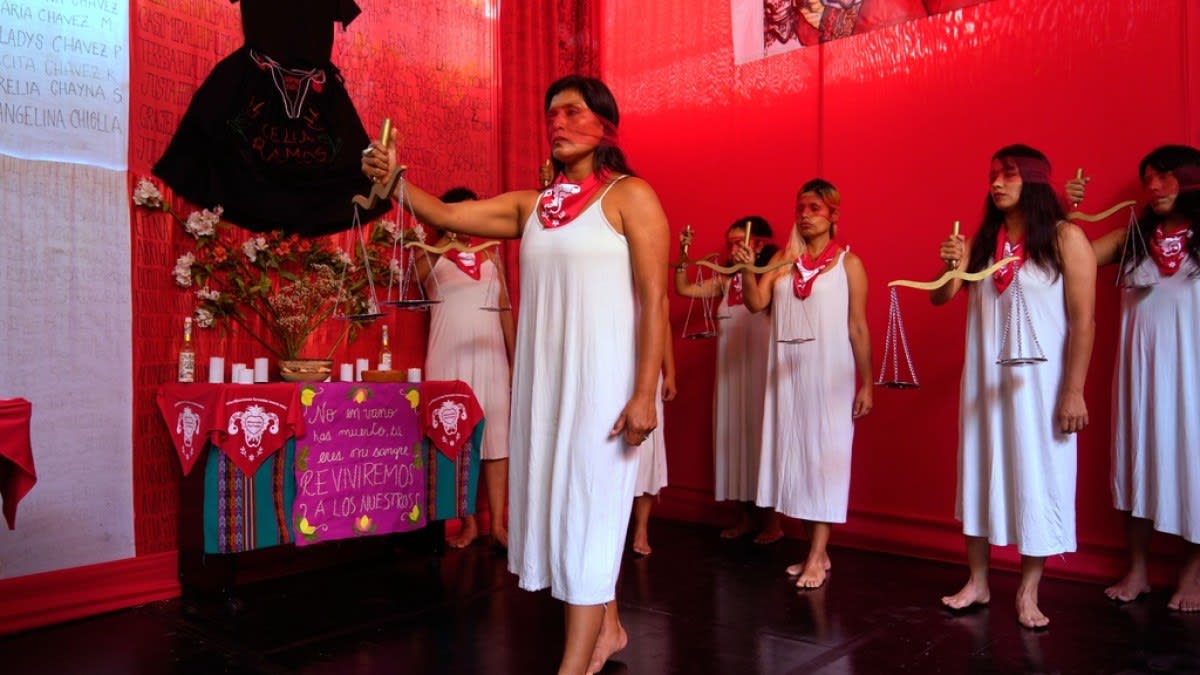
The Inter-American Court of Human Rights ordered Peru this week to pay $340,000 to the family of Celia Ramos, a 34-year-old mother of three who died in 1997 after being forced into a sterilization procedure. The ruling represents the first time the international court has weighed in on Peru's forced sterilization campaign from the 1990s.
Ramos had gone to a state health clinic seeking medical help on July 3, 1997. Instead, she was coerced into undergoing tubal ligation against her will. The clinic lacked proper equipment to handle the severe allergic reaction she suffered during the procedure.
She died 19 days later. Her family received almost no information about what happened or why.
The court's decision noted that Peru failed to properly investigate Ramos's case, adding to her family's pain. Her three daughters were still children when they lost their mother.
The Ripple Effect
This ruling opens doors for thousands of other families seeking acknowledgment. As many as 314,000 women and 24,000 men were sterilized without consent during this period, many of them poor and Indigenous people who were tricked or pressured into procedures they didn't understand.
The Peruvian feminist organization DEMUS celebrated the decision as "a fundamental step in reparations for Celia, her family and the thousands of victims of forced sterilizations in Peru." Some survivors only discovered years later why they couldn't have children.
International recognition has been building. Last October, a United Nations committee ruled that Peru's program amounted to sex-based violence and discrimination, citing lack of informed consent and inadequate medical facilities.
The compensation includes reimbursement for medical costs and lost income. More importantly, it represents official acknowledgment of what happened to Ramos and her family after years of being dismissed.
For families who spent three decades fighting to be heard, this week's ruling proves that persistence can lead to recognition, even when justice moves slowly.
Based on reporting by Al Jazeera English
This story was written by BrightWire based on verified news reports.
Spread the positivity!
Share this good news with someone who needs it