China Assigned Officials to Poor Families. It Worked.
China lifted 800 million people out of poverty using a simple but powerful system: one government worker personally responsible for each struggling family. The results show what happens when accountability has a name and address.
Most poverty programs struggle with a common problem. When everyone is responsible for helping the poor, nobody is specifically accountable when things go wrong.
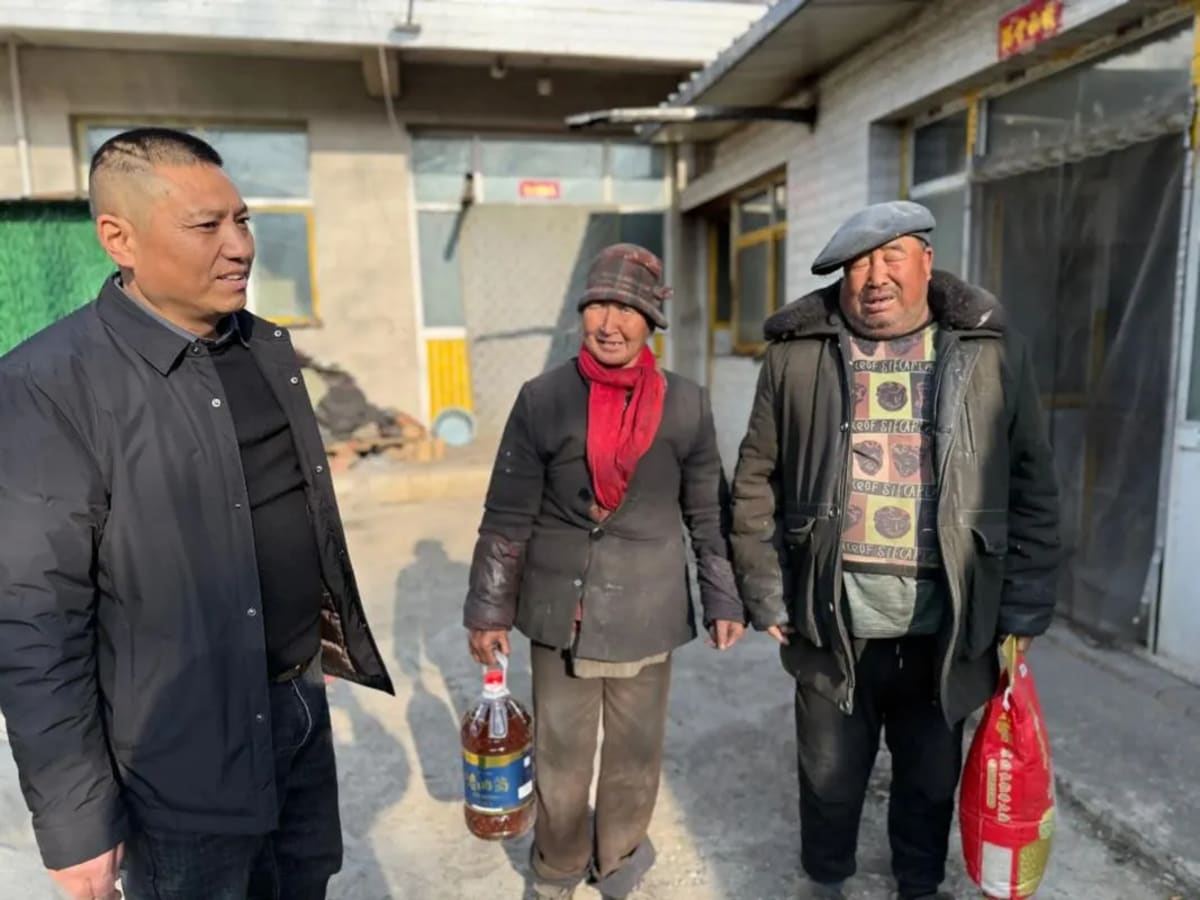
China tried something different. Between 2013 and 2020, the country assigned over 775,000 government officials to poor households on a one-to-one basis. One worker, one family, personal responsibility for the outcome.
The system worked like this. Local governments first built a detailed registry of every household below the poverty line, categorizing them by specific challenges: medical debt, unsafe housing, kids not in school, unstable income. Then each family got assigned their own official who was expected to visit regularly, understand their problems, and help solve them.
Here's what made it serious. These officials' career advancement depended directly on whether their assigned families stabilized. If your households improved, you got promoted. If problems went unreported or unresolved, your career stalled.
The program deployed nearly 200,000 officials as full-time village secretaries, often for years at a time. They lived in the communities they served. Poverty stopped being a bureaucratic abstraction and became specific people with names and addresses.
The approach solved two big problems. First, it eliminated diffusion of responsibility, where everyone points to someone else when things fail. Second, it generated better information. A person visiting the same family for years understands their real needs better than any database can capture.
The Ripple Effect
The system wasn't perfect. Some officials faked paperwork to show results they hadn't achieved. Quality varied by region and individual. But the structural insight matters: embedding personal accountability into social programs produces outcomes that institutional approaches often miss.
Western welfare systems typically spread responsibility across agencies, departments, and election cycles. Caseworkers change, programs get restructured, funding shifts with political winds. The family experiencing poverty stays constant while the system around them resets every few years.
The mismatch is structural. Poverty rarely resolves in twelve months, but most social programs operate on annual cycles. When outcomes disappoint, there's no clear answer to a simple question: who specifically is responsible?
China's approach suggests a better design. Make one person accountable for each family's progress over multiple years. Track results. Tie career outcomes to real-world impact.
This isn't about declaring one country superior. It's about identifying design features that work, regardless of political system. When you make poverty personal for the people trying to solve it, solutions follow.
More Images


Based on reporting by Google News - Poverty Reduction
This story was written by BrightWire based on verified news reports.
Spread the positivity!
Share this good news with someone who needs it