Peruvian Women Turn Puma Predators Into Partners
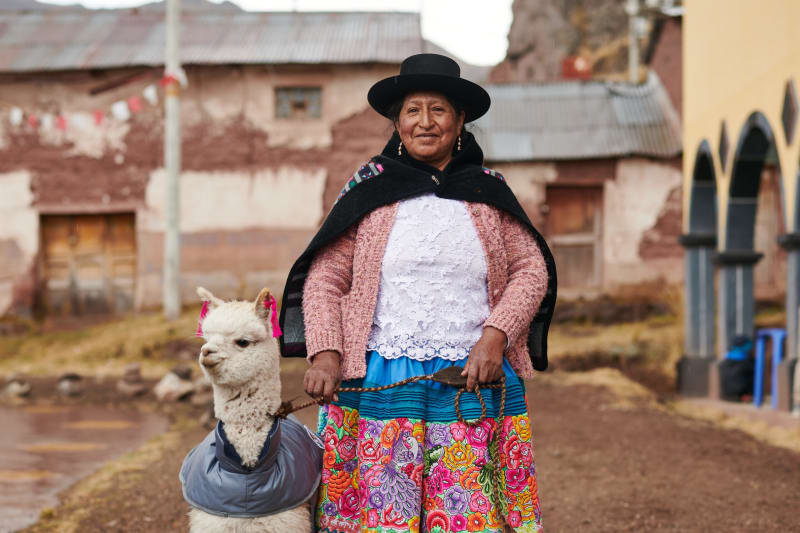
Indigenous Quechua women in Peru's Andes who once killed pumas to protect their alpacas now lead a thriving conservation movement that protects wildcats while boosting their incomes. Their success shows how women's leadership and practical solutions can turn deadly conflict into peaceful coexistence.
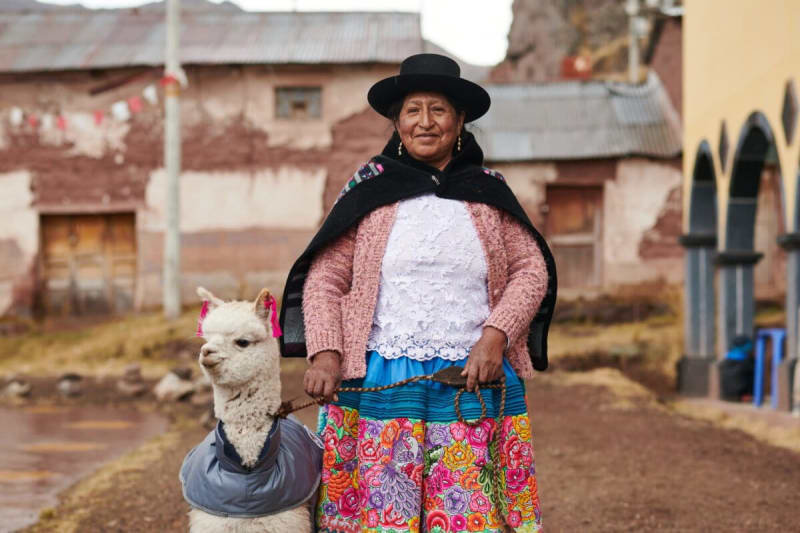
High in Peru's Andean mountains, shepherd Ida Auris Arango once feared the pumas that threatened her family's alpaca herd. Today, she's installing camera traps to protect them.
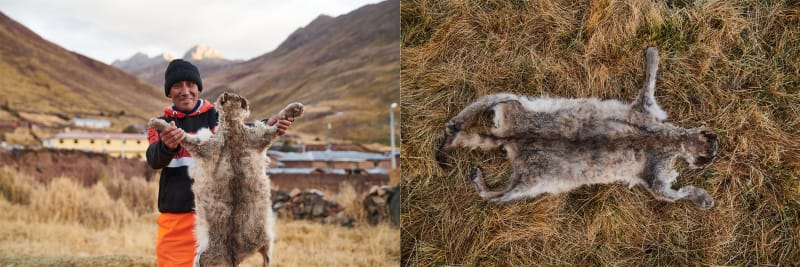
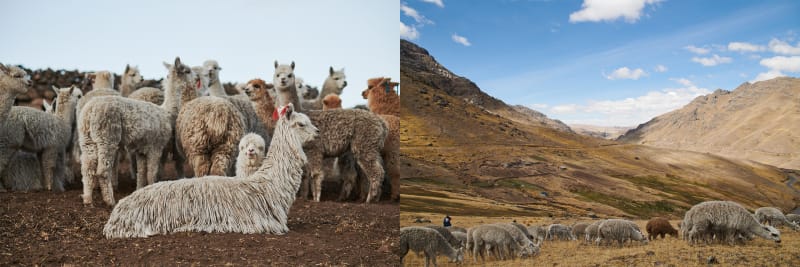
For generations, Quechua families in the highland community of Ccarhuacc Licapa killed pumas, pampas cats, and endangered Andean cats in retaliation for livestock losses. Alpacas are the community's primary income source, and losing even one animal to predators meant real hardship.
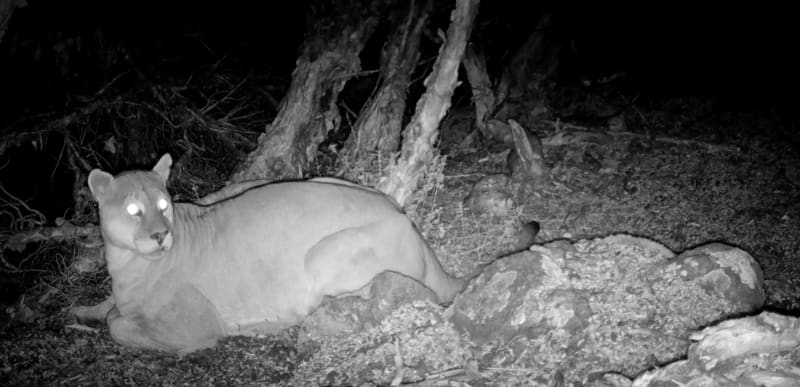
Everything changed when biologist Merinia Mendoza Almeida founded Mujeres Quechua por la Conservación, a women-led conservation group. She and dozens of local women began using camera traps to document the wildcats living around their community.
The images transformed how families saw these animals. Mothers and children who once viewed wildcats as enemies began recognizing them as neighbors in a shared ecosystem.
But the women didn't stop at changing hearts. They got to work on practical solutions: reinforcing alpaca corrals, protecting native Polylepis forests that wildcats need, improving pastures, and using nonlethal deterrents instead of fire to keep predators away.
The results speak for themselves. Conflicts with wildcats have dropped sharply, and retaliatory killings of pumas have stopped completely.
The Ripple Effect
The conservation work sparked an unexpected opportunity. Inspired by the wildcats they now protect, the women launched an alpaca wool textile cooperative, weaving wildcat designs into tablecloths, tote bags, and handcrafted stuffed animals.
The cooperative gives women economic independence while strengthening their commitment to wildlife protection. In a traditionally male-dominated context, these women now lead both environmental stewardship and family income generation.
A new documentary, "Women Secure a Future with Pumas in the Andes," captures this transformation. It follows Auris Arango's journey from trauma survivor to conservation leader, showing how cultural knowledge and science can work together.
The cooperative's success proves that protecting wildlife and improving livelihoods aren't opposing goals. When women have the tools and support to find creative solutions, everyone benefits including the pumas.
What started as a small group of Quechua women with camera traps has become a model for resolving human-wildlife conflict across the Andes, one hand-woven wildcat at a time.
More Images
Based on reporting by Mongabay
This story was written by BrightWire based on verified news reports.
Spread the positivity!
Share this good news with someone who needs it