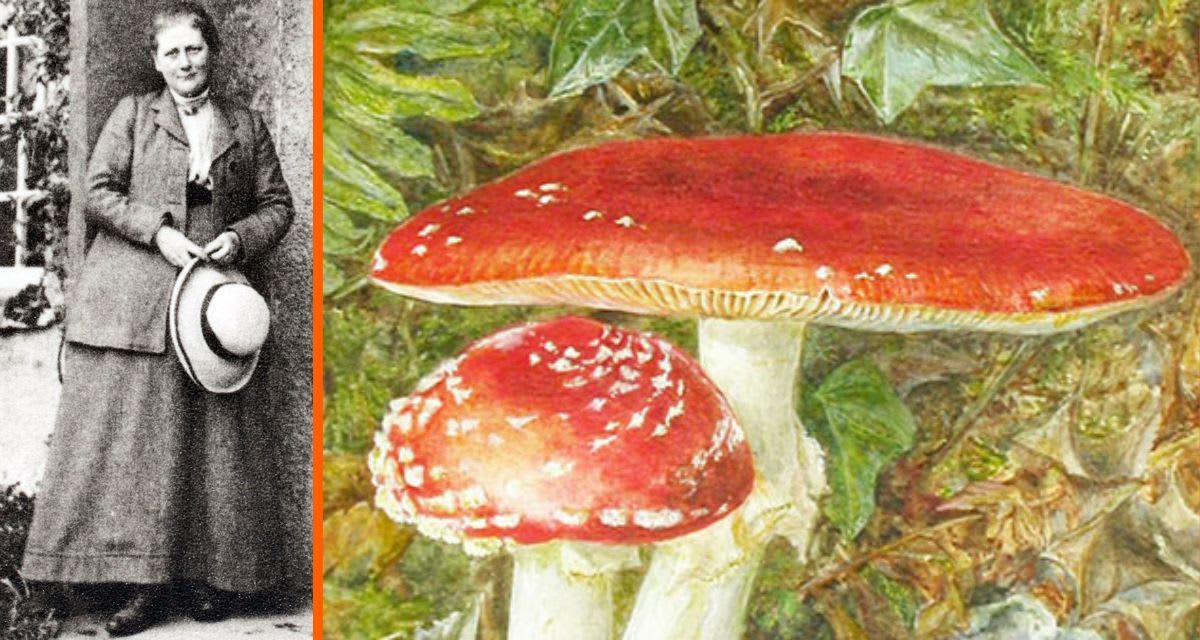
Peter Rabbit Author Was Groundbreaking Mushroom Scientist
Beatrix Potter didn't just write beloved children's books. She was also a pioneering mycologist whose 350 fungus illustrations are still used by scientists today.
Before Beatrix Potter became famous for Peter Rabbit, she was making waves in Victorian science with her revolutionary mushroom research.
Born in 1866, Potter spent years studying fungi with the dedication of a professional scientist. She observed, identified, and cultivated different mushrooms and lichens, developing groundbreaking theories about how spores germinated.
In 1897, her research paper "On the Germination of the Spores of Agaricineae" was presented to the Linnean Society of London, one of the world's most prestigious scientific organizations. The catch? Potter couldn't present it herself because women were banned from membership.
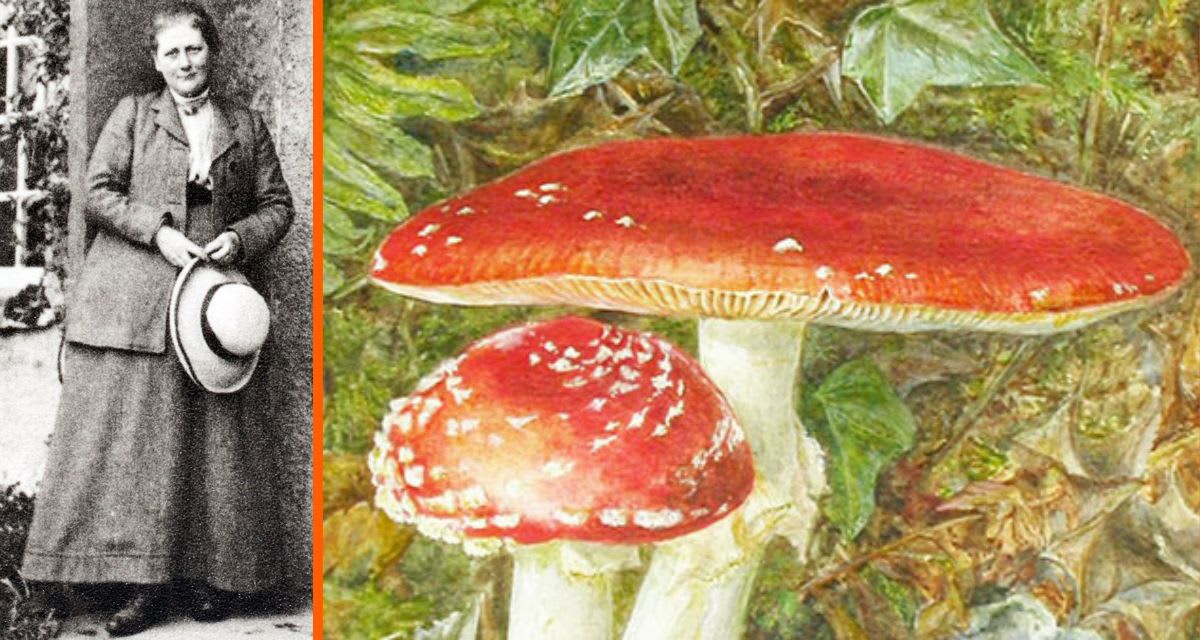
Despite facing discrimination, Potter didn't stop. She created more than 350 detailed illustrations of fungi, including molds, mushrooms, and yeasts, combining her artistic talent with scientific precision.
Leading scientists of her time recognized her genius. George Massee, keeper at the Royal Botanic Gardens, praised her ability to illustrate fungi exactly as they appeared in nature, not copied from books. Another mentor, mycologist Charles McIntosh, taught her to draw specimens from multiple angles, showing mushrooms inside, outside, and upside down.
Why This Inspires
Potter's story shows how talent finds a way, even when doors are slammed shut. While Victorian society blocked her path to formal recognition as a scientist, her work outlasted the prejudice that tried to diminish it.
Her watercolors were so accurate that modern mycologists still reference them to identify fungi species. The illustrations she created over a century ago remain valuable scientific tools today.
And she gave the world something else too. When the Linnean Society rejected her, she channeled her creativity into writing and illustrating The Tale of Peter Rabbit, published in 1902. The book became a timeless classic that has delighted children for generations.
The same society that excluded her later acknowledged the injustice. In a statement years later, the executive secretary admitted she "was treated scurvily by members of the society."
Potter proved you don't need official recognition to make a lasting impact. Her mushroom illustrations advanced science, and her stories touched millions of hearts.
More Images



Based on reporting by Upworthy
This story was written by BrightWire based on verified news reports.
Spread the positivity!
Share this good news with someone who needs it