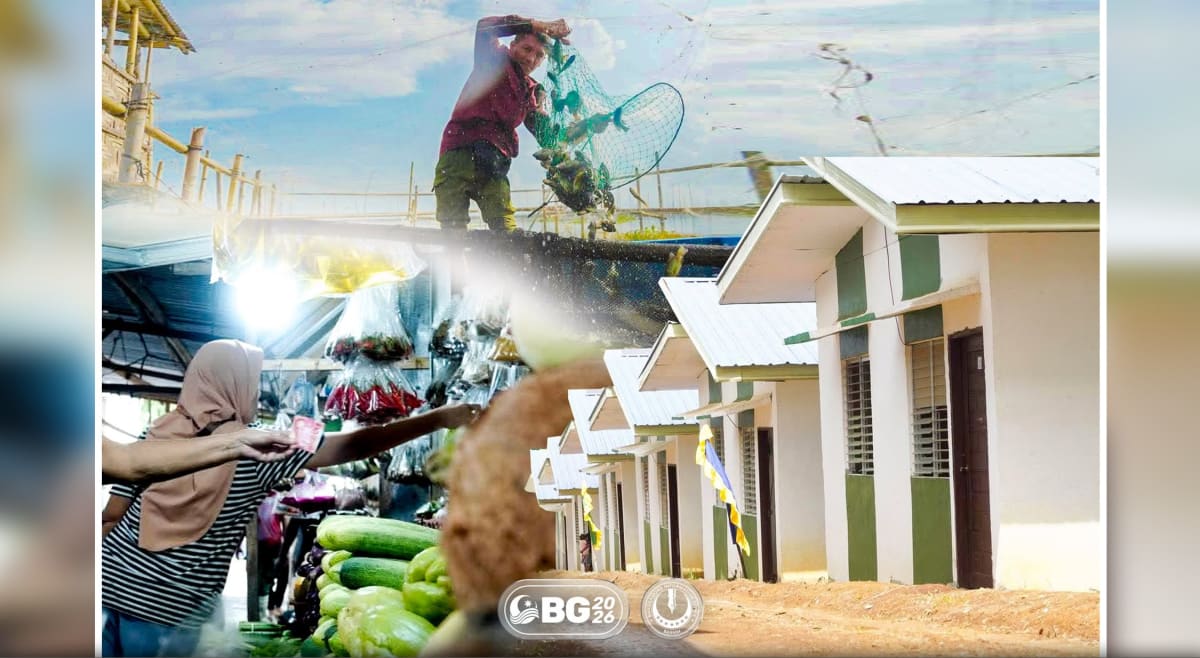
Philippine Region Cuts Family Poverty in Half in Two Years
The Bangsamoro region slashed its family poverty rate from 26% to 12.8% in just two years, the biggest drop in the Philippines. More than 200,000 families escaped poverty through local entrepreneurship and targeted government support.
A remarkable transformation is happening in one of the Philippines' most overlooked regions, where family poverty just dropped by more than half in two years.
The Bangsamoro Autonomous Region in Muslim Mindanao (BARMM) cut its family poverty rate from 26 percent in 2023 to 12.8 percent in 2025, according to data released by the Philippine Statistics Authority. That 13.2 percentage point decline was nearly triple the national average and represents the steepest poverty reduction in the entire country.
The progress reached every corner of the region. Basilan province saw poverty plunge from 33.7 percent to 10.4 percent, while Tawi-Tawi dropped from 32.3 percent to 11.6 percent. Lanao del Sur achieved one of the lowest rates nationwide at just 3.2 percent, down from 12.1 percent.
The gains moved BARMM from having the second-highest poverty rate in the Philippines to tied for fourth. Perhaps most telling: not a single province in the entire country registered a poverty rate above 30 percent in 2025, compared to multiple provinces reaching 40 to 50 percent just four years earlier.
What makes BARMM's success story unique is how families are earning their income. The region is the only one in the Philippines where entrepreneurial activities, not wages or salaries, serve as the primary income source. Small business ventures account for 43.8 percent of total family income in the region.
The Ripple Effect
The poverty reduction is already shaping how regional leaders plan for the future. The Bangsamoro Planning and Development Authority says the data helps policymakers understand where to direct resources for maximum impact.
Local officials credit evidence-based fiscal planning for guiding investments toward programs that improve living conditions. The Ministry of Finance noted that sustaining this momentum will be crucial for reaching even more families in coming years.
Challenges remain, as BARMM still has the lowest average family income among Philippine regions at 246,050 pesos annually compared to the national average of 411,350 pesos. But the trajectory shows what's possible when communities receive targeted support and lean into their entrepreneurial strengths.
The statistics came from more than 200,000 household surveys conducted throughout 2025 and early 2026. Researchers measured family income against regional poverty thresholds to determine who escaped poverty during the two-year period.
Hundreds of thousands of Bangsamoro families are building better futures through their own determination and smart community investment.
Based on reporting by Google News - Poverty Reduction
This story was written by BrightWire based on verified news reports.
Spread the positivity!
Share this good news with someone who needs it