Philippine Villagers Guard Sea Turtles All Night
In the Philippines, local patrollers walk over 5 miles each night to protect nesting sea turtles from stray dogs threatening their survival. Former egg collectors now lead the mission to save these vulnerable creatures. #
Jerald Mahusay used to play with sea turtle eggs like toys when he was a kid in Santo Niño, Philippines. Today, he leads night patrols to protect those same creatures from extinction.
Mahusay now works as head patroller for the Large Marine Vertebrates Research Institute Philippines in Palawan, a vital nesting ground for vulnerable Olive Ridley sea turtles. His transformation from unaware child to conservation leader reflects a community learning to treasure what they once took for granted.
The biggest threat? Stray dogs hunting turtle nests.
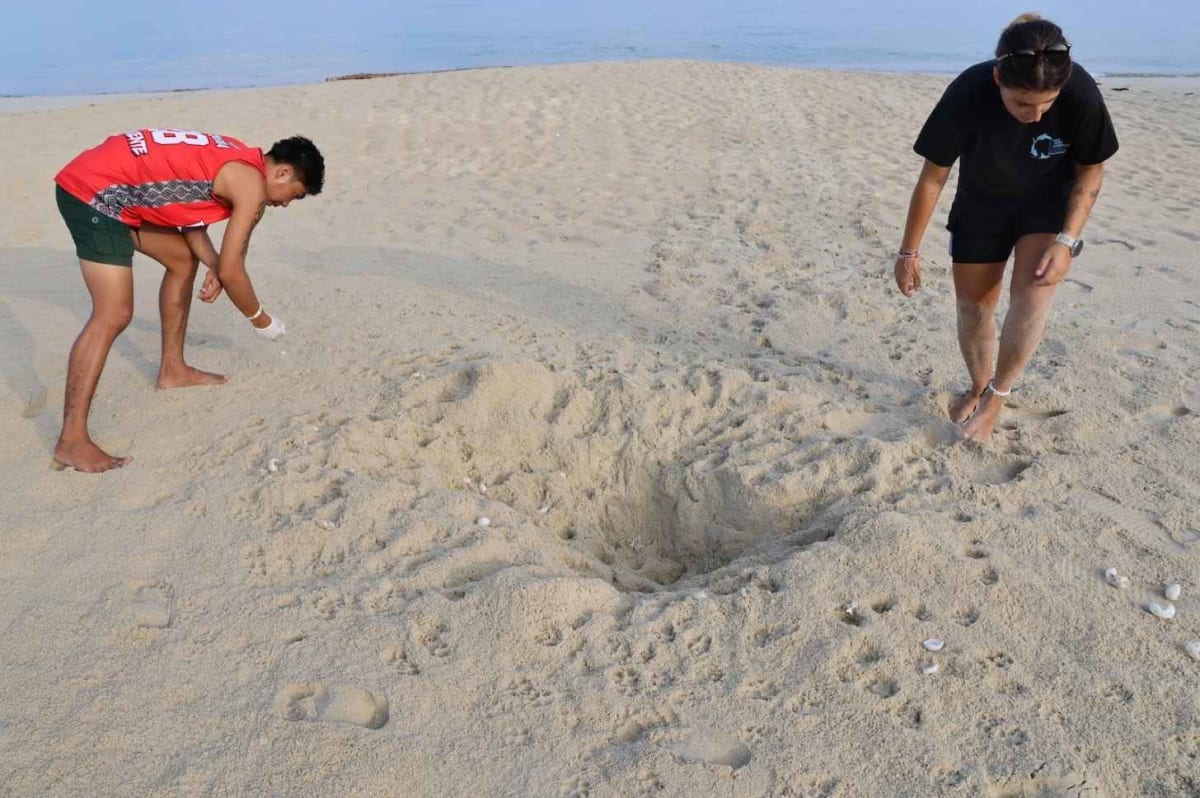
During peak nesting season, volunteers and local patrollers walk more than 5 miles in five shifts each night. When they spot a nesting turtle, they stand guard, shooing away hungry dogs until she finishes laying her eggs and returns to the sea.
The team measures each turtle's shell, photographs unique head patterns that work like fingerprints, and collects genetic samples. Then they carefully move the eggs to protected hatcheries, because almost every nest left on the beach gets eaten by dogs or flooded by rising tides.
Sometimes patrollers find injured turtles, fins torn away by dog attacks. In those heartbreaking moments, they wait to collect the eggs so at least the babies can survive.
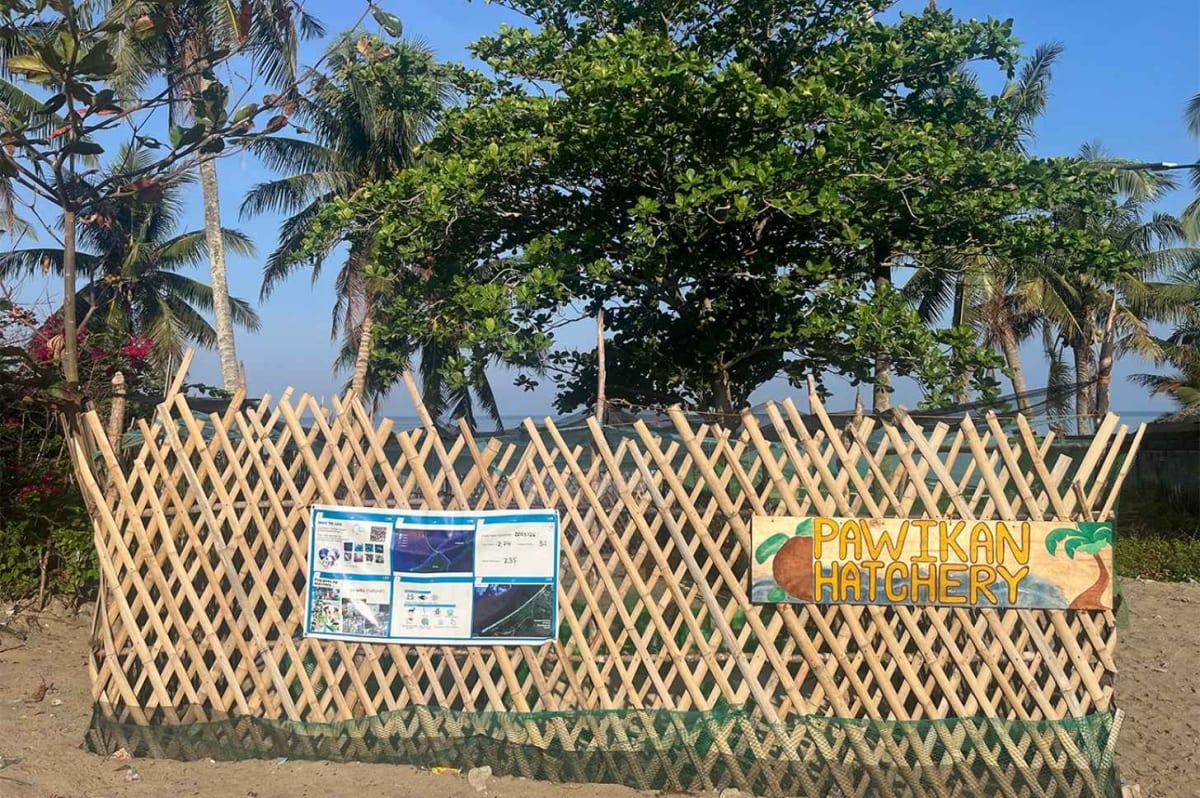
Inside two hatcheries, rows of rescued nests wait in the sand, protected by green plastic netting. Researchers check them every few hours, recreating the exact dimensions of natural nests.
About two months later, hatchlings emerge. Patrollers carry them to the shore in the early morning or evening, placing them on the sand so they can crawl to the West Philippine Sea. Scientists believe this journey creates a geomagnetic imprint that lets turtles return home as adults.
Only one in 1,000 hatchlings will survive to adulthood. Those survivors will spend 15 years at sea before making the long journey back to the beach where they were born.
The Ripple Effect
The project found creative solutions beyond night patrols. When researchers noticed many predated nests in one beach area, they approached the landowner, Reymundo Munding, who owns eight dogs.
Instead of confrontation, they invited him to join the patrols. Munding, who has lived on the property for 15 years, now helps protect the turtles while his dogs stay secured at night.
This community involvement represents the heart of conservation success in Santo Niño. Former egg collectors becoming protectors, landowners becoming partners, and entire villages learning why these ancient mariners matter.
The beaches face uncertain futures with planned resort developments, but the patrollers keep walking their nightly routes. Each rescued nest means dozens of hatchlings get their chance at the ocean, and every protected turtle means hope for future generations.
#
More Images

Based on reporting by Good Good Good
This story was written by BrightWire based on verified news reports.
Spread the positivity!
Share this good news with someone who needs it