Philippines Auto Show Goes Electric in Historic Shift
The 2026 Philippine International Motor Show revealed a stunning transformation: electric vehicles have moved from novelty to mainstream, with even legacy automakers betting big on batteries. Commercial fleets, not just commuters, are driving the revolution.
The future of transportation arrived early in the Philippines, and it runs on electricity instead of gasoline.
At the 2026 Philippine International Motor Show, legacy automakers finally showed they're ready to compete in the electric era. While Chinese manufacturers grabbed headlines in Part 1, the real story was watching industry giants pivot their entire business models toward cleaner vehicles.
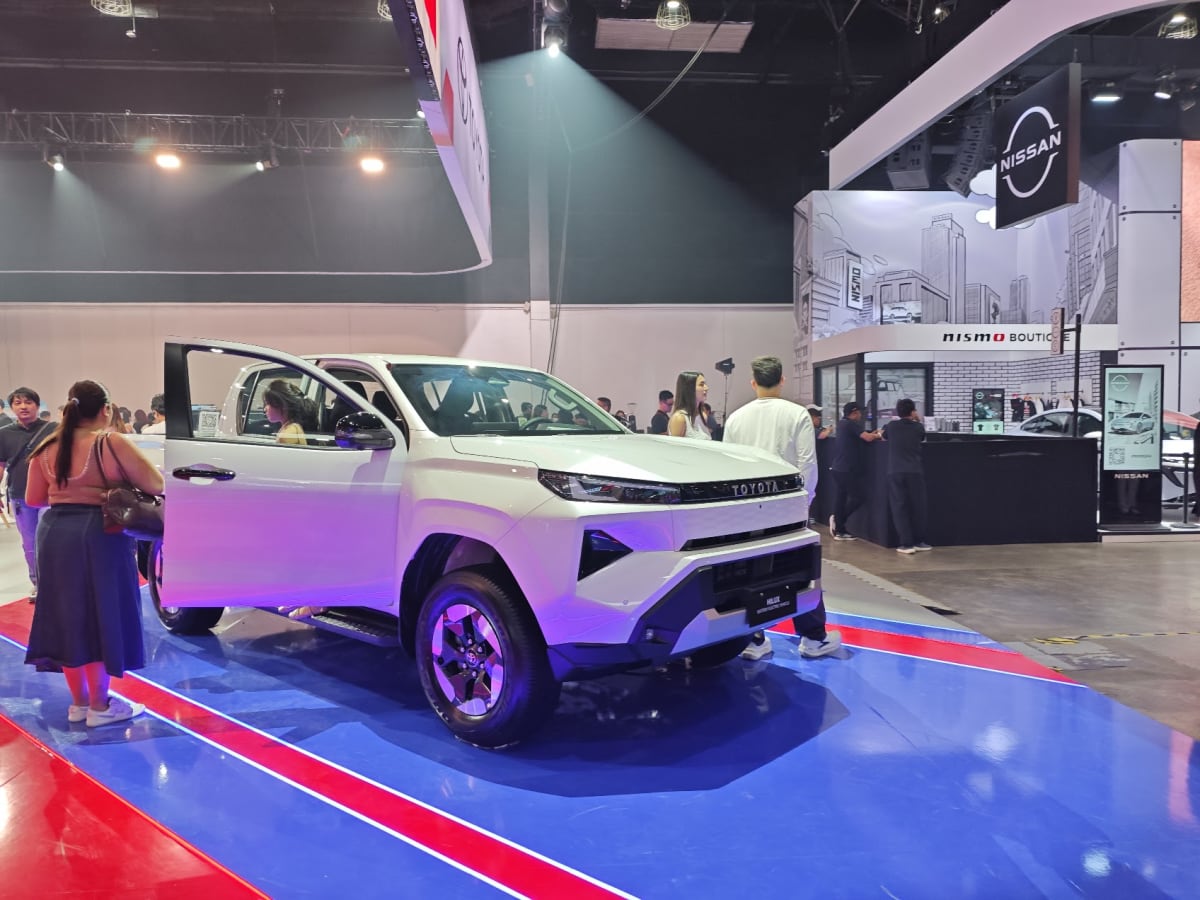
Toyota Motor Philippines made the boldest statement. The company that built its empire on combustion engines showcased a Land Cruiser 300 Hybrid with 457 horsepower and unveiled a battery-electric Hilux concept. For a brand that dominates Philippine roads, this signals that electrification has moved from experiment to inevitability.
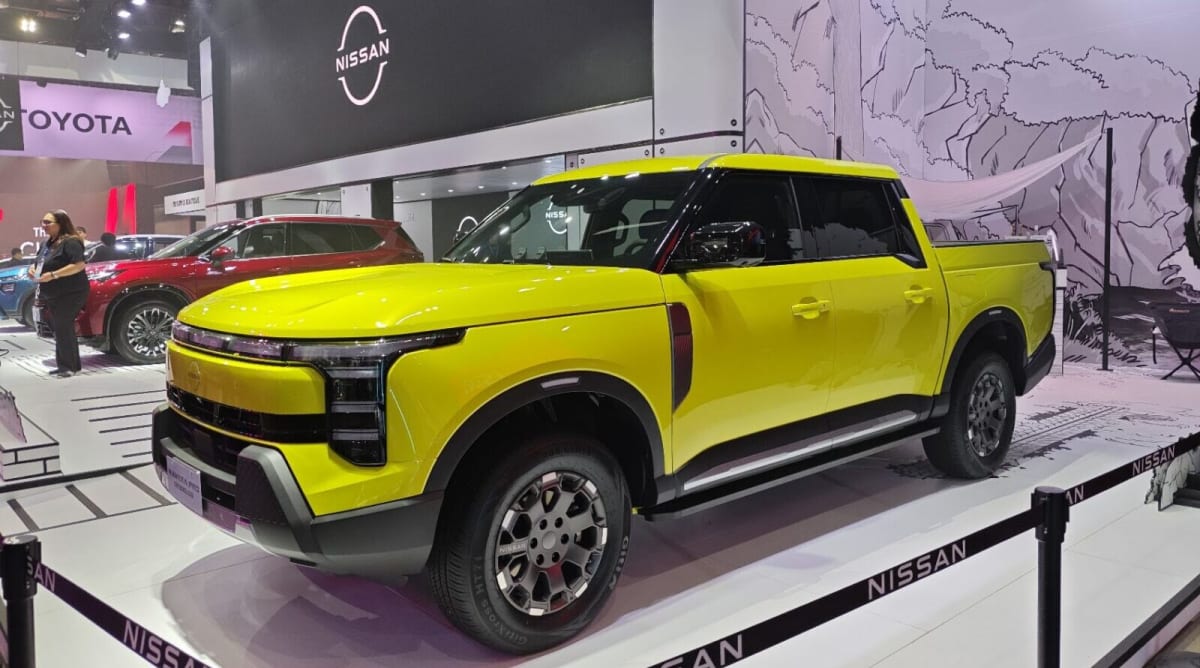
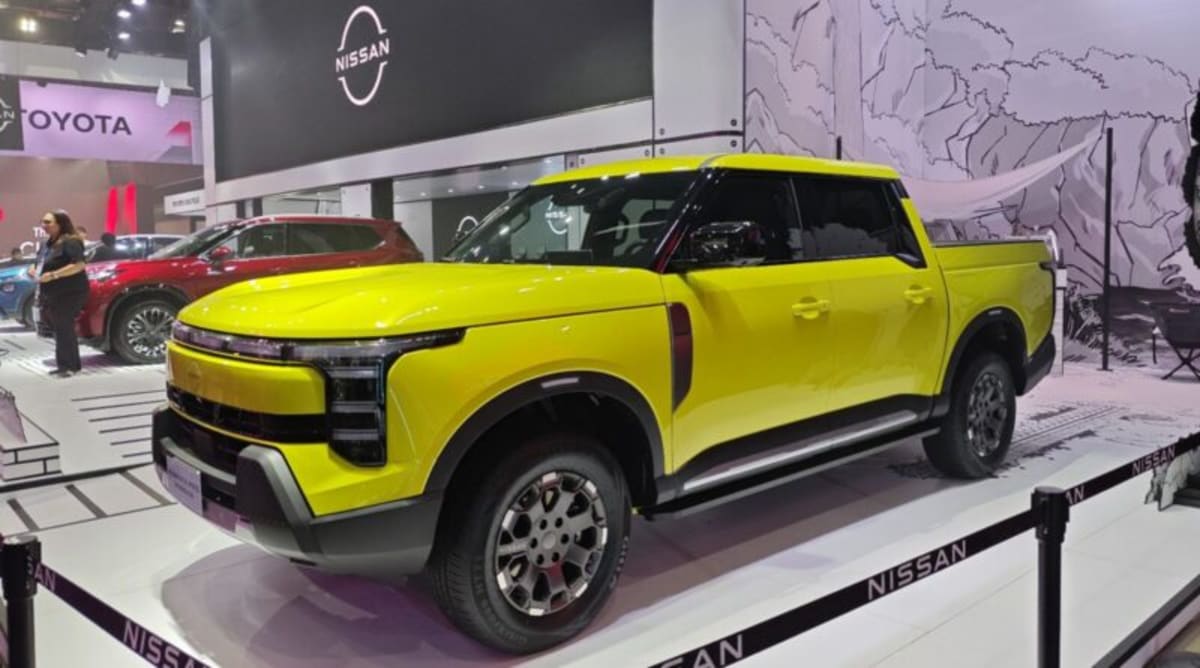
Nissan expanded beyond its e-Power lineup with the Frontier Pro plug-in hybrid and the all-electric Primera. Suzuki unveiled the e-Vitara, its first global battery-electric vehicle. Even conservative Subaru integrated electric assistance into its iconic Crosstrek.
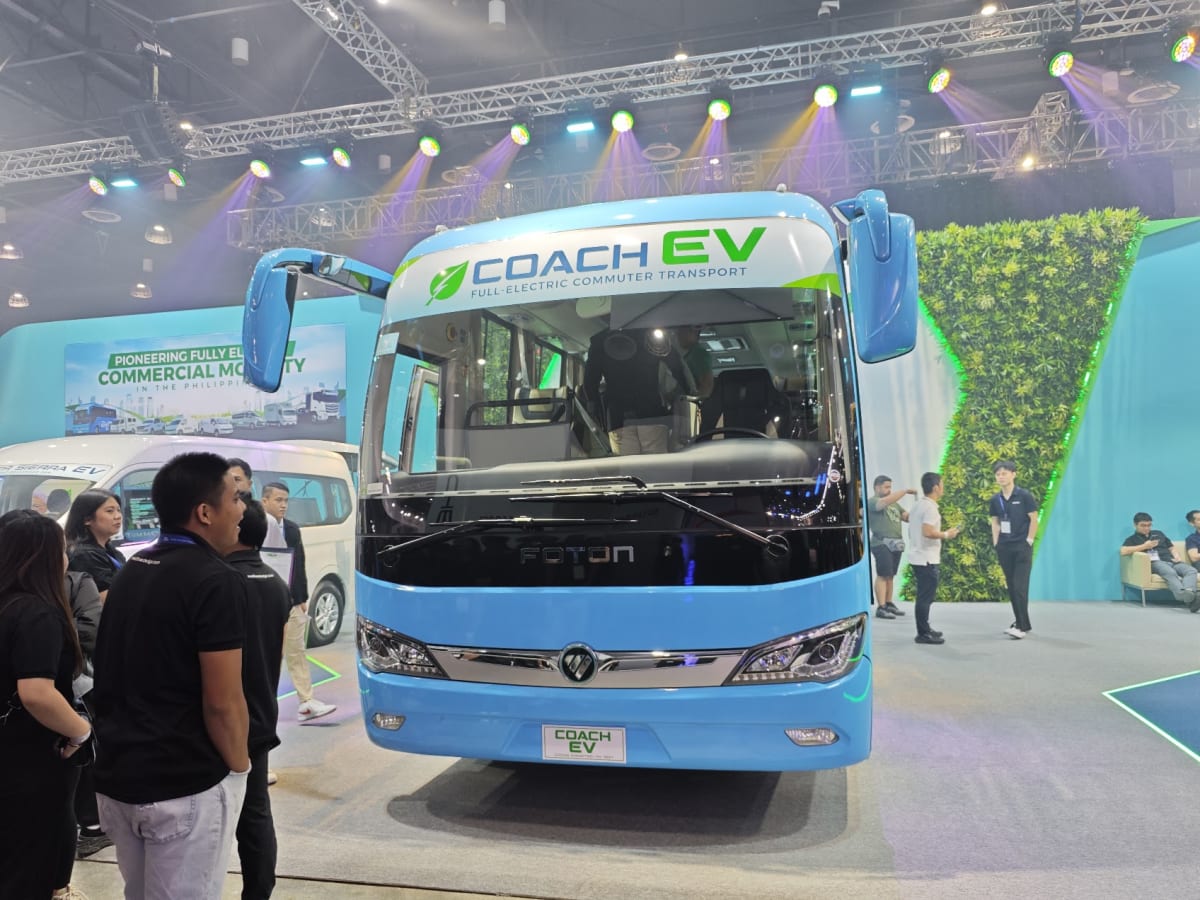
The most exciting shift happened in commercial vehicles. Foton Philippines displayed an electric tractor head alongside electric vans and buses, targeting the fleets that consume the most fuel and produce the most emissions.
The Ripple Effect
This transformation will touch millions of lives beyond car buyers. Commercial fleets that haul goods, transport passengers, and keep cities running spend countless hours on the road. By switching to electric power, these operators will slash fuel costs while dramatically reducing air pollution in congested urban areas.
Range anxiety, long the electric vehicle's biggest barrier, is being tackled head-on. BAIC Philippines showcased range-extender hybrids that use gasoline engines as backup generators. The technology offers pure electric driving for daily commutes while maintaining long-distance flexibility for a country still building its charging network.
The variety of approaches proves there's no single path to electrification. Toyota's multi-pathway strategy offers hybrids, plug-in hybrids, and pure electrics. Mitsubishi focuses on plug-in technology through its upcoming Outlander PHEV. Each manufacturer is reading the same data and reaching similar conclusions: the transition is happening, just at different speeds for different customers.
What makes this moment historic isn't just the technology on display. It's watching an entire industry acknowledge that the old playbook no longer works. Even in a developing market with infrastructure challenges, automakers are betting their futures on electric power.
The question is no longer whether the Philippines will go electric, but how fast the transformation will accelerate.
More Images
Based on reporting by CleanTechnica
This story was written by BrightWire based on verified news reports.
Spread the positivity!
Share this good news with someone who needs it