Philippines Expands Free Electric Buses to More Cities
The Philippines is rolling out its Love Bus program—free electric minibuses connecting neighborhoods and creating jobs for people with disabilities—to cities beyond Manila. What started as one route is now becoming a nationwide model for clean, accessible public transit.
Free electric buses are quietly transforming how Filipinos get around their cities, and the program is spreading fast.
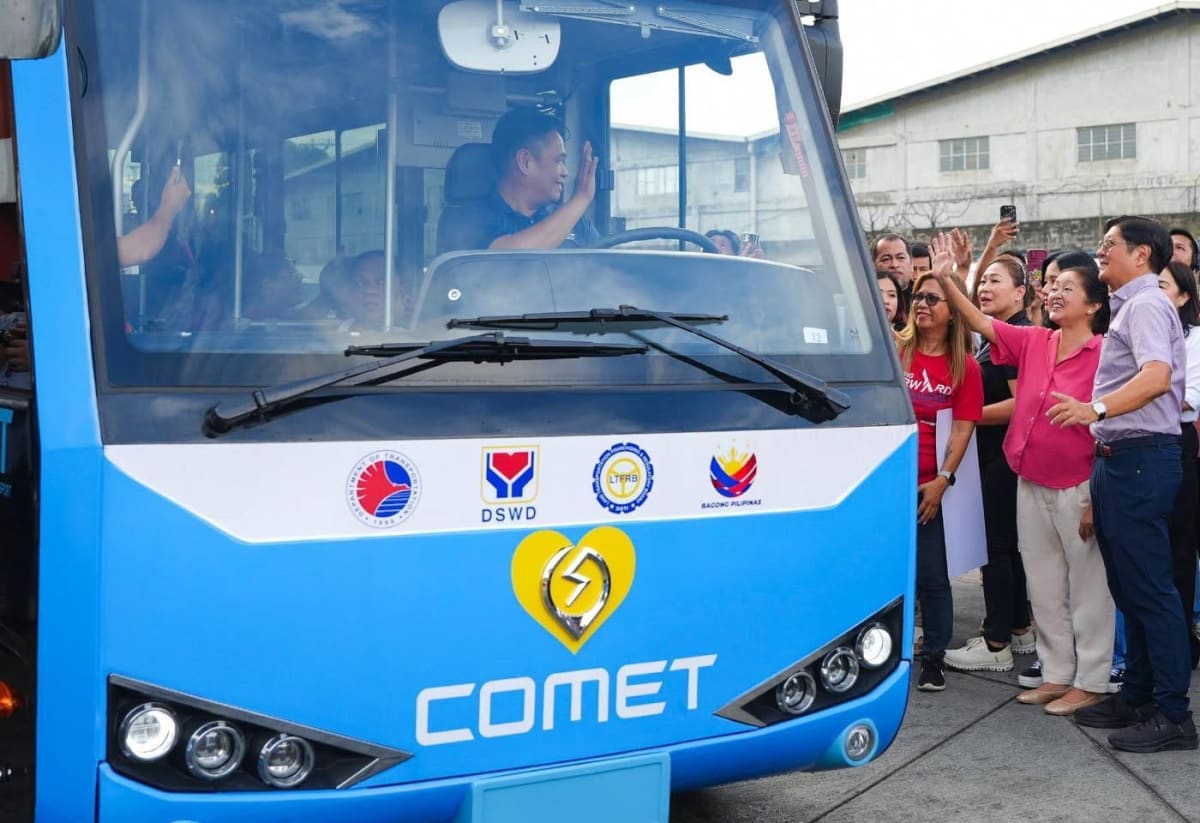
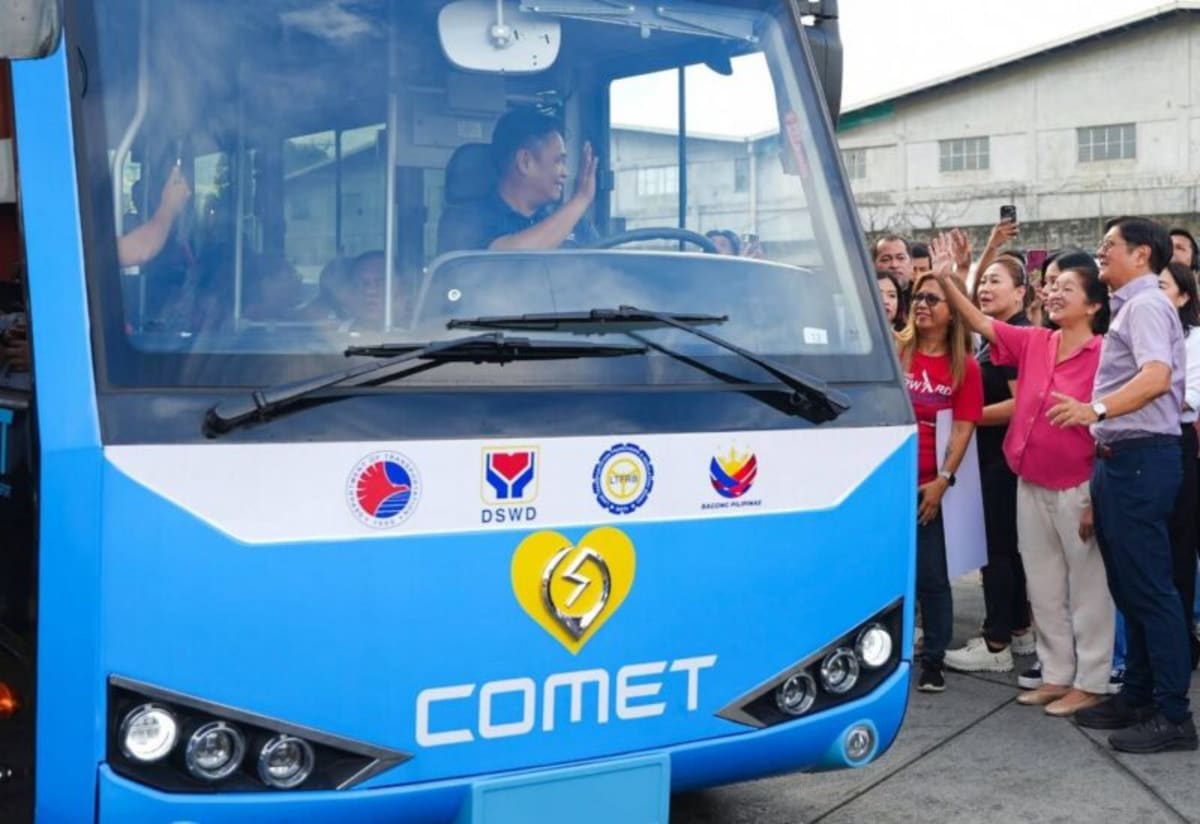
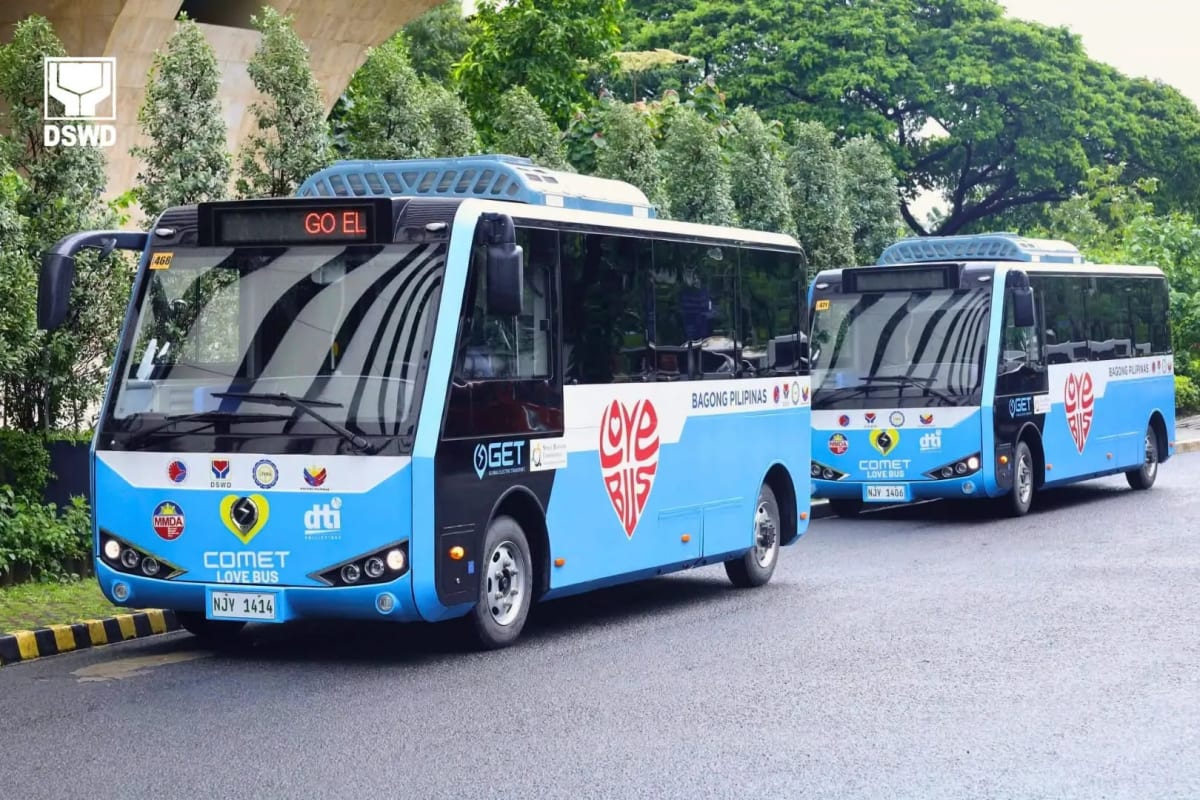
The Love Bus initiative launched its latest route in Metro Manila, connecting the busy Ortigas business district with neighboring communities from 6 a.m. to 9 p.m. daily. Riders pay nothing. The compact electric minibuses, called COMETs, run entirely on battery power with zero tailpipe emissions.
What makes this special isn't just the technology. The program partners with organizations serving people with disabilities, providing them with jobs operating and managing the vehicles. It's transportation that doubles as economic opportunity.
The COMET minibuses are purpose-built for Philippine conditions. Each carries a 54-kWh battery that powers the vehicle for about 100 kilometers and recharges in 45 minutes. That matters in Manila's notorious traffic, where vehicles spend hours crawling through congested streets with air conditioning running constantly in tropical heat.
The concept is expanding rapidly beyond the capital. Cebu introduced its own Love Bus fleet in 2025, while Davao launched a similar program using different vehicles. President Ferdinand Marcos Jr. highlighted Davao's initiative in his 2026 State of the Nation Address when discussing national electric vehicle goals.
Private companies are helping fuel the growth. Real estate developers like Robinsons Land and Megaworld provide charging stations, route access, and sometimes the vehicles themselves, connecting their shopping centers and business districts without managing entire transit systems.
The Ripple Effect
This collaborative model solves problems that have stalled electric buses in other developing countries. Someone needs to pay for charging stations, train mechanics, manage electricity costs, and coordinate schedules. By bringing together government agencies, disability advocacy groups, and private developers, the Philippines created a framework that shares both costs and benefits.
The program recently expanded to Pampanga province through a partnership between the Department of Social Welfare and Development, provincial government, and GET Philippines, the company manufacturing the COMET minibuses. Each expansion provides real-world data on how the vehicles perform in tropical heat, stop-and-go traffic, and daily urban use.
These aren't flashy showcase projects. They're working buses on regular routes, collecting passengers and generating information about what actually works when you electrify public transit in challenging conditions.
The Love Bus program shows what's possible when clean technology meets practical problem-solving and genuine inclusion.
More Images
Based on reporting by CleanTechnica
This story was written by BrightWire based on verified news reports.
Spread the positivity!
Share this good news with someone who needs it