Philly Volunteers Save 22,000 Toads from Traffic Since 2009
Every spring, volunteers in Philadelphia help thousands of toads safely cross busy streets to reach their breeding grounds. The Toad Detour program has rescued 22,000 amphibians over the years. #
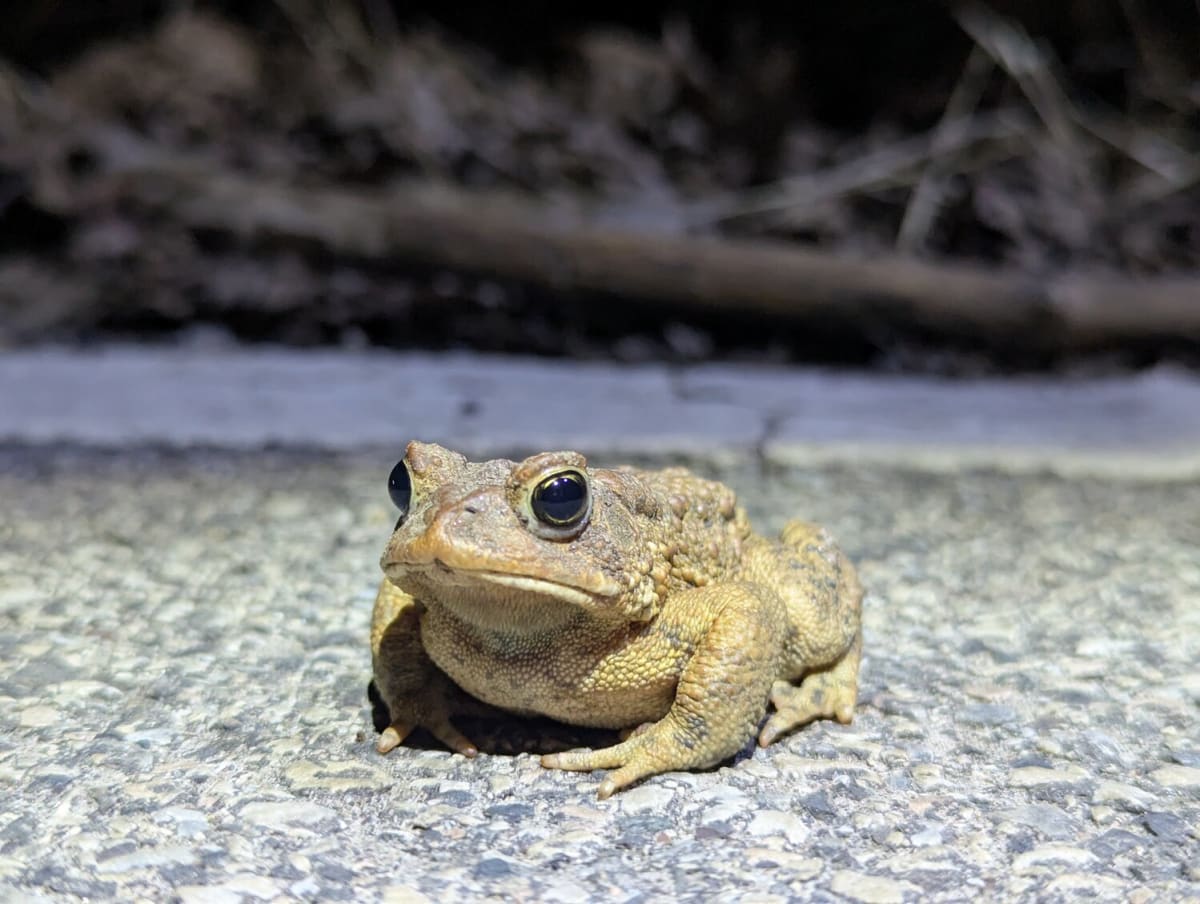
Every spring evening in Philadelphia, volunteers armed with buckets and flashlights head to busy streets on an unusual mission: saving toads from traffic.
The Schuylkill Center for Environmental Education has been running the "Toad Detour" program since 2012 in Upper Roxborough. When warm rainy nights arrive between March and July, American toads wake from their winter sleep and instinctively hop toward the Roxborough Reservoir where they were born to breed.
The problem? They have to cross nearly a mile of busy city streets to get there.
Lisa Levinson noticed toads getting hit by cars near the reservoir back in 2008 and came up with a creative solution. Instead of letting nature take its course, she organized the first official crossing in 2009. Since then, volunteers have safely escorted 22,000 amphibians across dangerous roads.
The program officially became part of the center's annual activities in 2012. Susan Slawinski, who coordinates volunteers and has loved reptiles and amphibians her whole life, now oversees the effort. She starts planning in February with training sessions that teach volunteers how to safely handle toads.
Human skin oils can harm amphibians, so volunteers learn to wash their hands and pat them in dirt before gently scooping up toads. They transport the small travelers in buckets across Port Royal Avenue, Eva Street, and Summit Avenue.
The center even has a permit to close roads during peak crossing times. Volunteers typically work from 7 p.m. to 9:30 p.m., though toads continue crossing well into the night on their own.
The Ripple Effect
What started as one person noticing a problem has grown into a community effort that protects thousands of animals each year. No biology degree required. Volunteers just need to show up, get trained, and spend a few evenings helping their warty neighbors navigate city life.
The rescue effort happens in two waves: adult toads heading to the reservoir in early spring, then baby toadlets hopping back toward the forest from mid-May through June. Each crossing adds to the center's growing data on local amphibian populations.
These dedicated volunteers prove that protecting urban wildlife doesn't require massive resources, just people who care enough to show up when it matters.
#
Based on reporting by Google: volunteers help
This story was written by BrightWire based on verified news reports.
Spread the positivity!
Share this good news with someone who needs it