Taiwan Frees Rescued Bear Mom and Cub After Year of Care
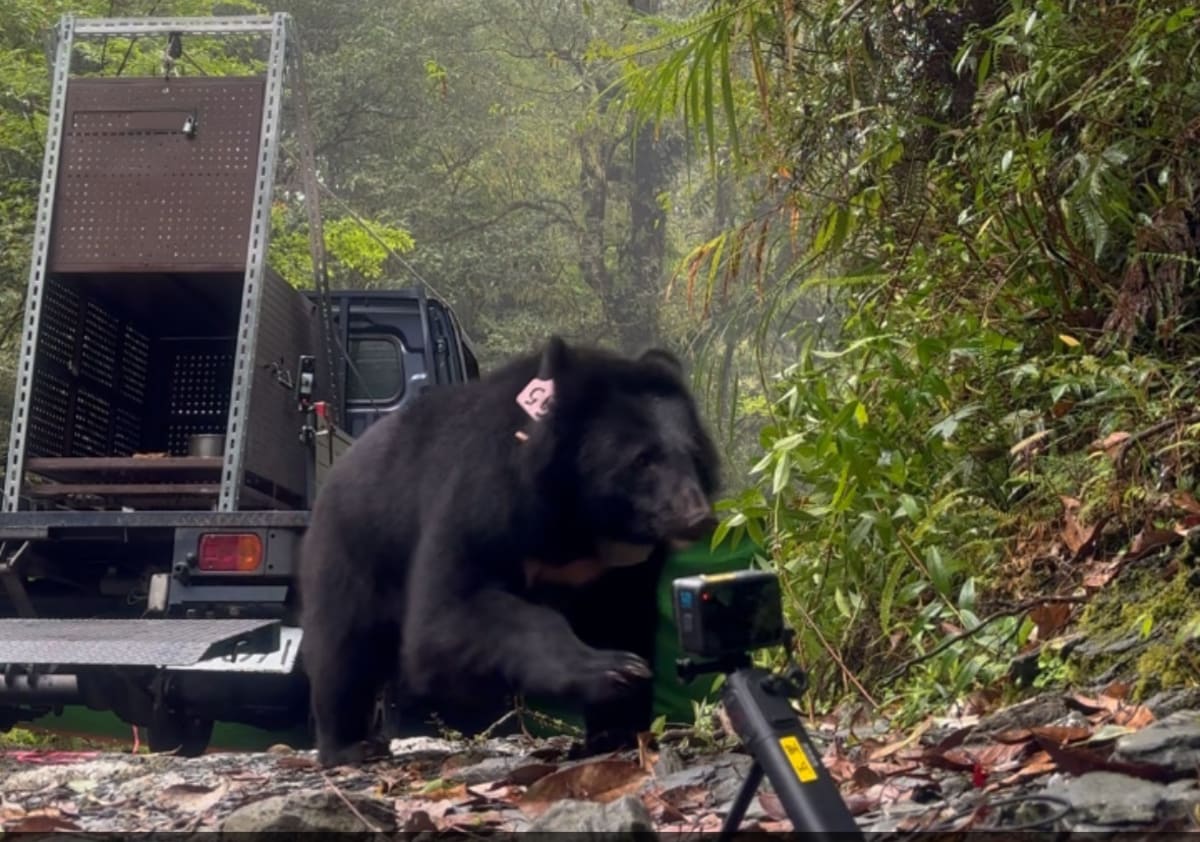
A mother Formosan black bear and her cub walked free in Taiwan this week after recovering from a snare trap injury and a year of rehabilitation. This marks the first time the island nation has released a rehabilitated mother and cub together on the same day.
A mother bear caught in a snare trap and her tiny cub are back in the wild together, making history in Taiwan's wildlife conservation efforts.
The adult female Formosan black bear was found trapped in Hualien County's Zhuoxi Township last March, injured and unable to care for herself. Villagers soon spotted a small cub lingering near the rescue site, and after monitoring confirmed the youngster belonged to the trapped bear, rescuers brought her in too.
The mother needed surgery to recover from her injuries while her 11.5 kilogram daughter, not yet weaned, required round-the-clock care at the WildOne Wildlife Rehabilitation Center. DNA testing proved what rescuers suspected: they were family.
Reuniting them proved harder than expected. When officials tried bringing mother and daughter together last summer, the pair showed little interaction and no clear maternal bonding. The team made the tough call to train them separately for survival.
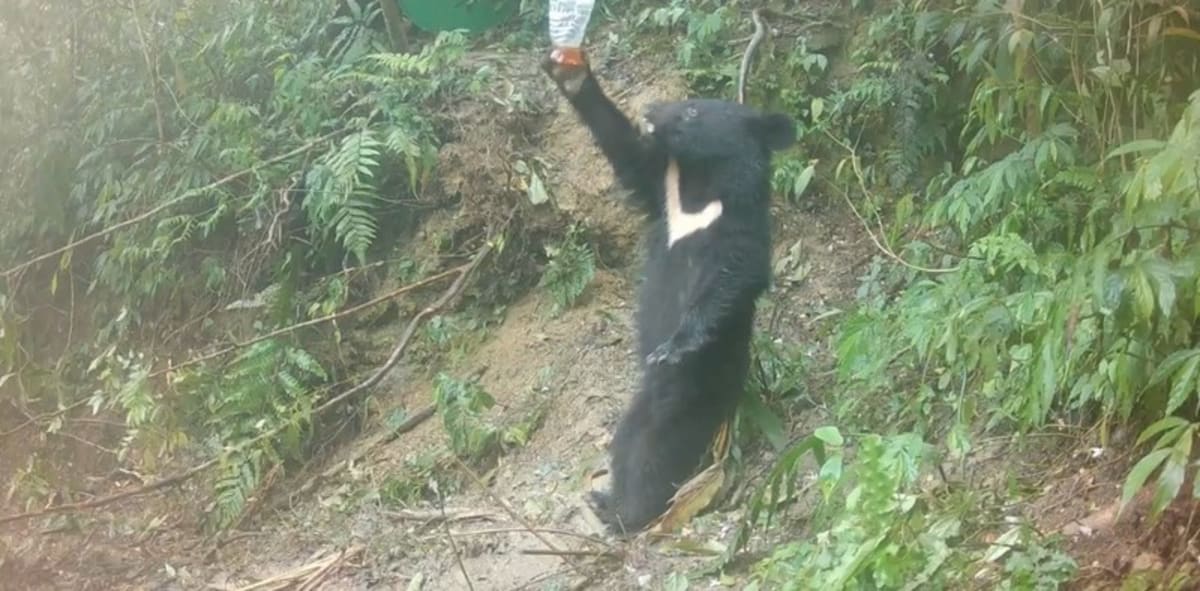
The cub entered a forest training enclosure in October, learning essential skills like foraging, climbing, and most importantly, avoiding humans. She aced her evaluations. By March, she had grown to 46 kilograms and was ready for freedom.
Her mother recovered just as impressively, reaching 74 kilograms and meeting all release criteria. After a year of dedicated care, both bears were healthy enough to return home.
The Ripple Effect
The local Bunun tribe embraced the bears as part of their community, naming the mother "Uli" (meaning "virtuous wife and good mother") and the cub "Mua" (meaning "cute and gentle little girl"). Residents of Zhongping Village attended a pre-release briefing and agreed to help monitor the bears and report sightings.
The release itself was carefully orchestrated. The team released Mua first from their vehicles to minimize human contact, then freed Uli thirty minutes later. Both bears vanished quickly into the forest, equipped with satellite collars for monitoring.
Taiwan's Forestry and Nature Conservation Agency set up an electronic geofencing system that alerts residents if the bears approach designated zones. The village chief will keep the community informed, and preventive measures activate automatically when needed.
This collaborative approach between conservationists and local communities shows how wildlife rehabilitation succeeds when everyone works together. The public can report sightings through the Forest Protection Hotline without attempting to handle the animals.
Two bears are home, a community is engaged, and Taiwan has a new model for wildlife recovery.
More Images

Based on reporting by Google News - Wildlife Recovery
This story was written by BrightWire based on verified news reports.
Spread the positivity!
Share this good news with someone who needs it