Philosopher and Space Architect Team Up for Better World
A philosopher and a space architect walk into a TED talk and solve some of humanity's biggest questions. Their unlikely partnership explores what we owe each other and how space exploration could help us live better lives on Earth.
What does ancient philosophy have to do with building homes in space? More than you'd think.
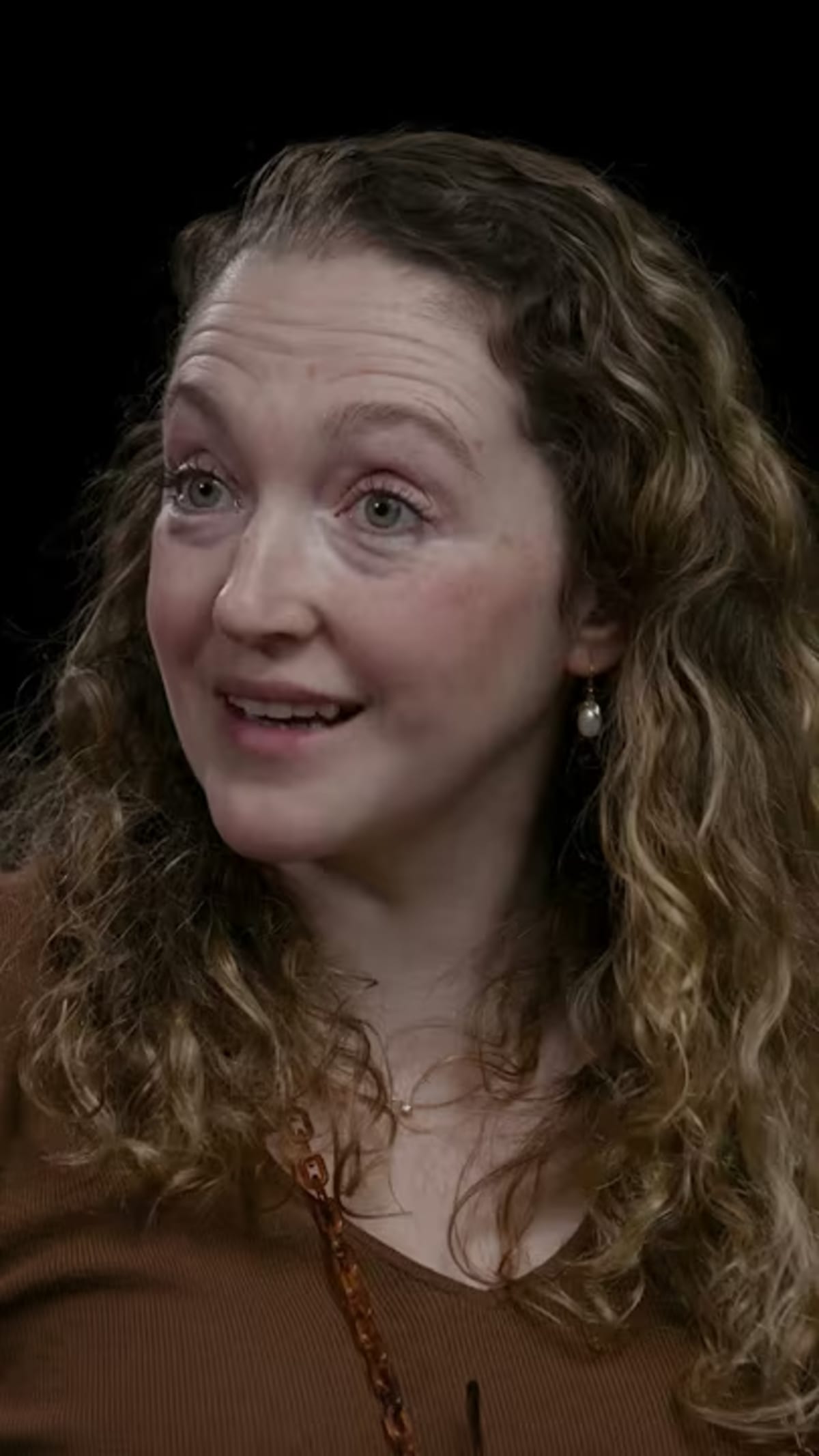
Philosopher Meghan Sullivan and space architect Ariel Ekblaw brought their wildly different expertise together for a groundbreaking TED talk. One spends her days pondering life's big questions, while the other designs structures for zero gravity.
Their conversation bridges 2,400 years of wisdom, from Aristotle's teachings to insights from modern astronauts. Together, they're tackling questions that matter to everyone: What do humans inherently owe each other? What does it really take to live a good life?
The pairing might seem unusual at first. Sullivan works in the realm of ideas and ethics, while Ekblaw creates physical spaces for one of humanity's most ambitious frontiers.
But that's exactly what makes their collaboration so powerful. Space exploration forces us to rethink everything about how humans live together in extreme conditions.
When you're designing habitats for Mars or orbital stations, you can't avoid the fundamental questions about human connection and responsibility. Every decision becomes philosophical: How much personal space does a person need? What rules create harmony in isolated communities? How do we build systems that bring out the best in people?
The Ripple Effect
This cross-pollination of ideas could reshape how we approach problems back on Earth. The constraints of space force creative solutions that often work even better in traditional settings.
Space architecture has already given us water purification systems, medical devices, and sustainable building techniques. Now, combining it with philosophical frameworks could help us design better cities, communities, and social systems.
Their work suggests that looking up doesn't mean ignoring what's beneath our feet. Instead, shooting for the moon gives us fresh perspective on Earth's challenges.
The duo is drafting what they call a "rulebook for a better world," drawing lessons from both ancient wisdom and cutting-edge space research. Their approach proves that solving tomorrow's problems requires conversations between people who rarely share the same room.
Sometimes the best way to help our own planet is to imagine life beyond it.
Based on reporting by TED
This story was written by BrightWire based on verified news reports.
Spread the positivity!
Share this good news with someone who needs it
_07_03_2026_03_50_21_133108.jpg)