Phoenix Opens Solar-Powered Village for Homeless Seniors
Phoenix just opened Senior Bridge, a first-of-its-kind transitional housing village where 40 shipping container studios help homeless seniors aged 55 and older rebuild their lives. The completely solar-powered units cost residents nothing in utilities and include case managers who connect them to healthcare, nutrition support, and permanent housing.
Phoenix has a problem that doesn't match its retirement paradise reputation. Adults aged 55 and older occupy 40% of emergency shelter beds in central Arizona, making seniors one of the fastest-growing homeless populations in the state.
But a brand new solution just opened its doors in March. Senior Bridge welcomed its first residents to 40 independent studio apartments designed specifically for homeless seniors transitioning back to stable housing.
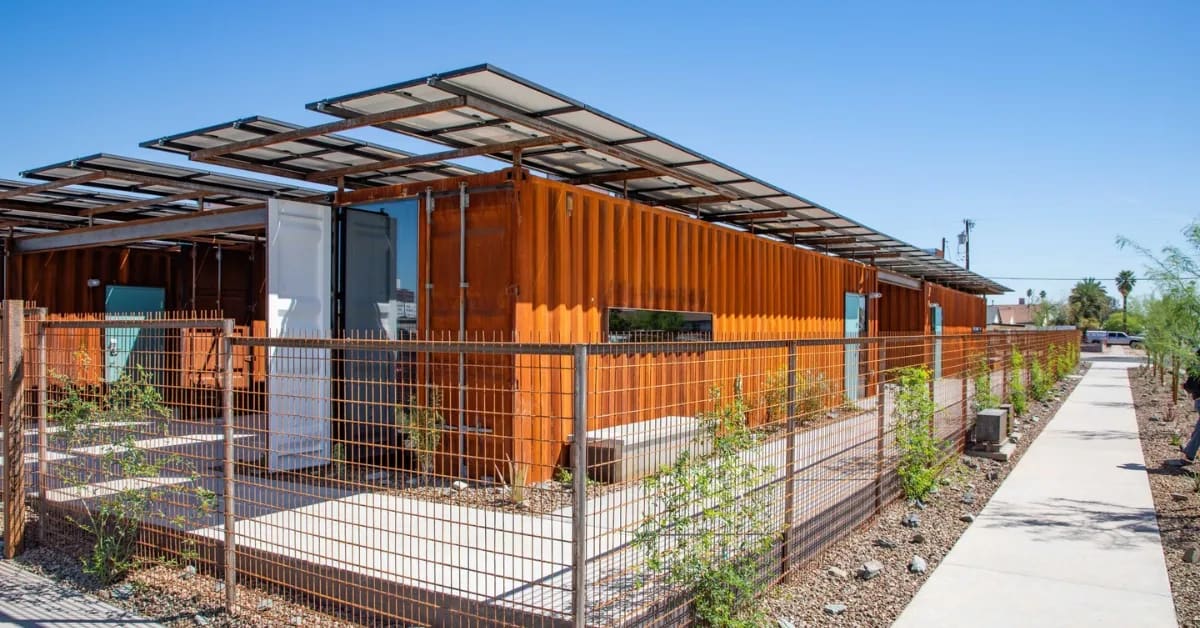
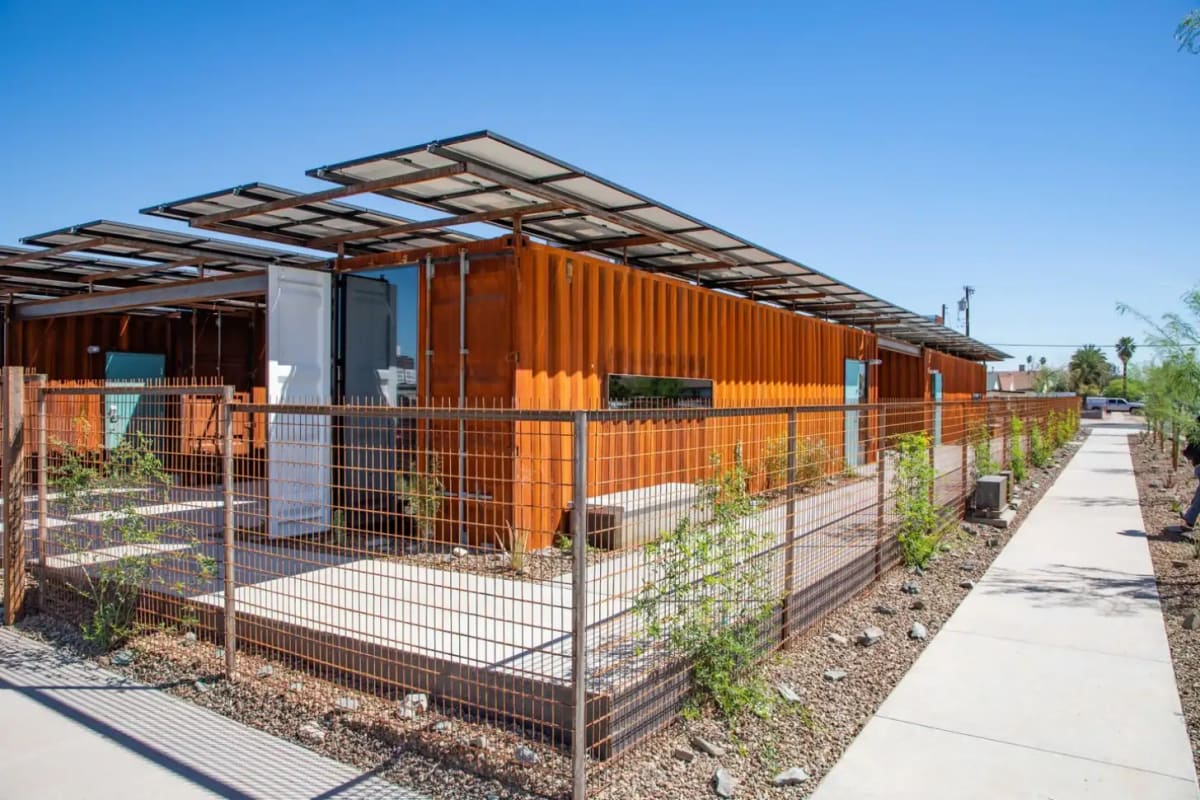
The buildings themselves are repurposed shipping containers outfitted with some impressive sustainability features. Solar panels power each 160-square-foot unit during the day, while lithium batteries take over at night, making them completely energy independent.
"It reduces one of the largest costs for an operator, and then for the permanent housing, it reduces the cost of your air conditioning bill," explained Brian Stark, co-founder of Senior Bridge and CEO of Steel and Spark, which manufactured the containers. In Phoenix's scorching climate, that's no small benefit.
Each compact unit comes furnished with a twin bed, full bathroom with shower, mini-fridge, and microwave. More importantly, every resident gets paired with a case manager who helps them access healthcare, nutrition support, and community resources.
Housing nonprofit Mercy House operates the facility with a clear goal in mind. Residents typically transition to permanent housing within about 90 days, though there's no hard deadline.
The Ripple Effect
Phase 2 is already under construction and will add 54 permanent supportive apartments on the same campus by the end of 2026. Seniors who complete the transitional program can move directly into these affordable units without losing their support network or starting over somewhere new.
Mercy House CEO Larry Haynes believes this integrated approach is key to actually solving homelessness rather than just managing it. "The effectiveness of a shelter depends upon the outreach teams that bring people to us, and the amount of permanent housing stock to which we can then connect people," he told KJZZ Phoenix.
The communal element extends beyond the campus itself. Haynes emphasized that ending homelessness requires businesses, neighborhoods, shelters, and service providers working together toward shared goals rather than in isolation.
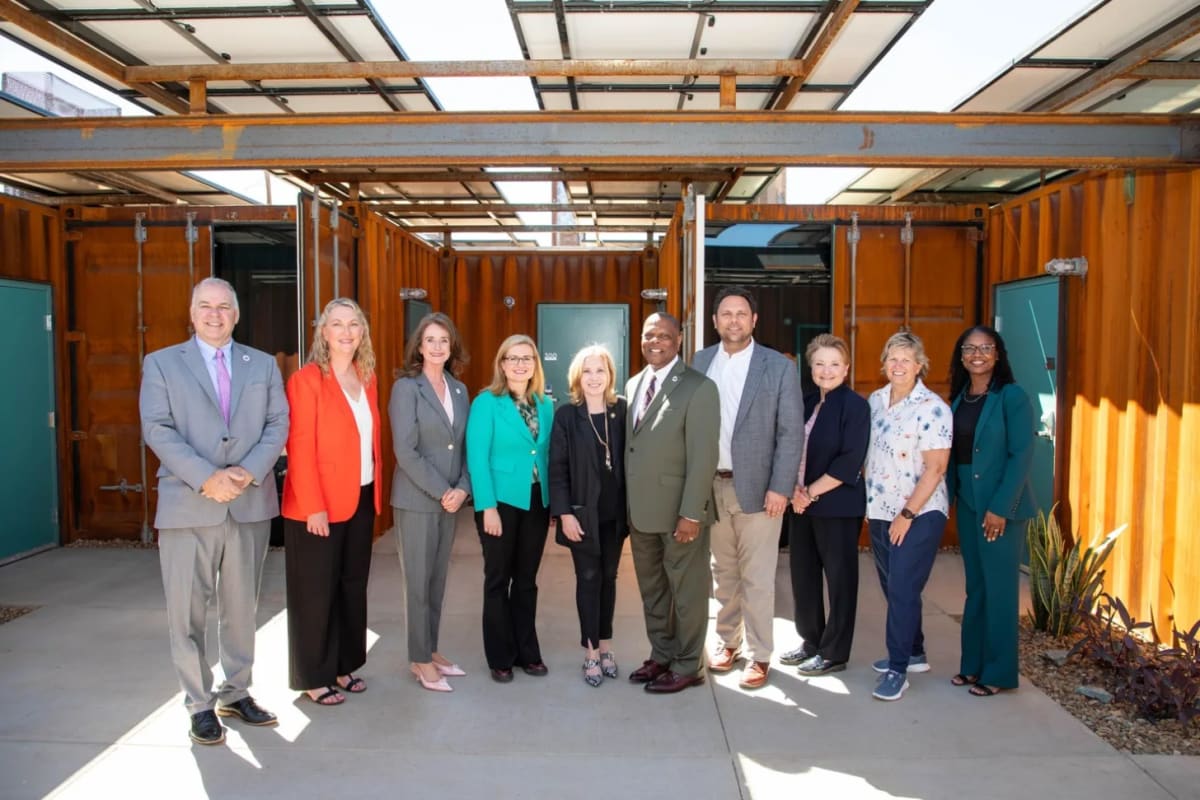
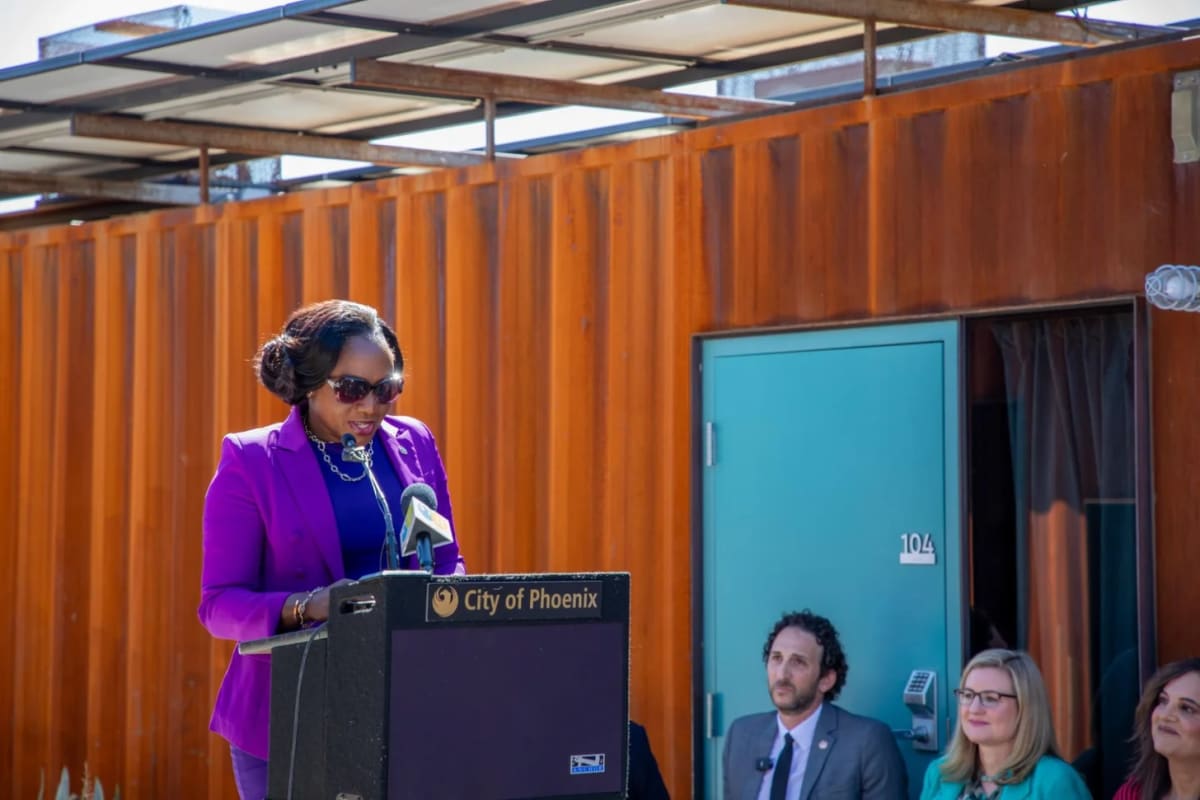
Vice Mayor Kesha Hodge Washington captured the spirit of the project at the ribbon-cutting ceremony earlier this year. "We are creating a model that centers dignity while delivering results," she said.
More Images

Based on reporting by Good Good Good
This story was written by BrightWire based on verified news reports.
Spread the positivity!
Share this good news with someone who needs it