Phone Tutoring Boosts Math Scores During School Closures
A groundbreaking study across five countries proves that simple phone-based tutoring keeps kids learning when schools shut down. The low-tech solution improved math scores without requiring internet access or fancy technology.
When schools close unexpectedly, millions of children fall behind in their education. A new study published in Nature shows that a surprisingly simple solution keeps kids on track: tutoring over the phone.
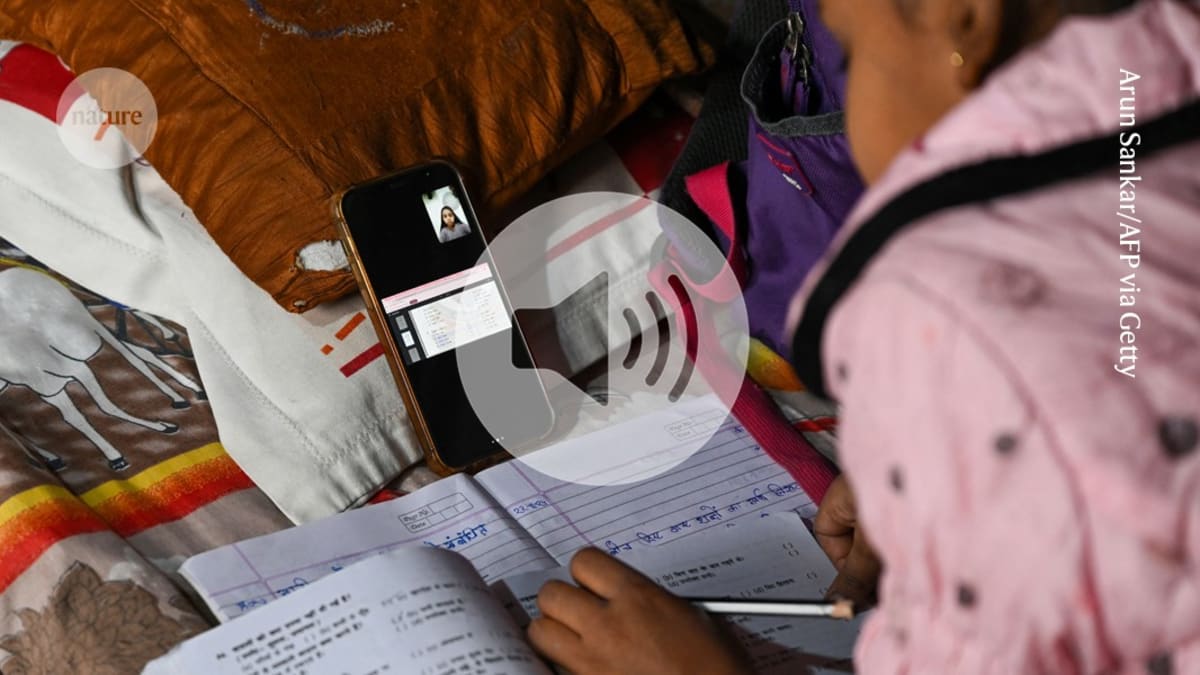
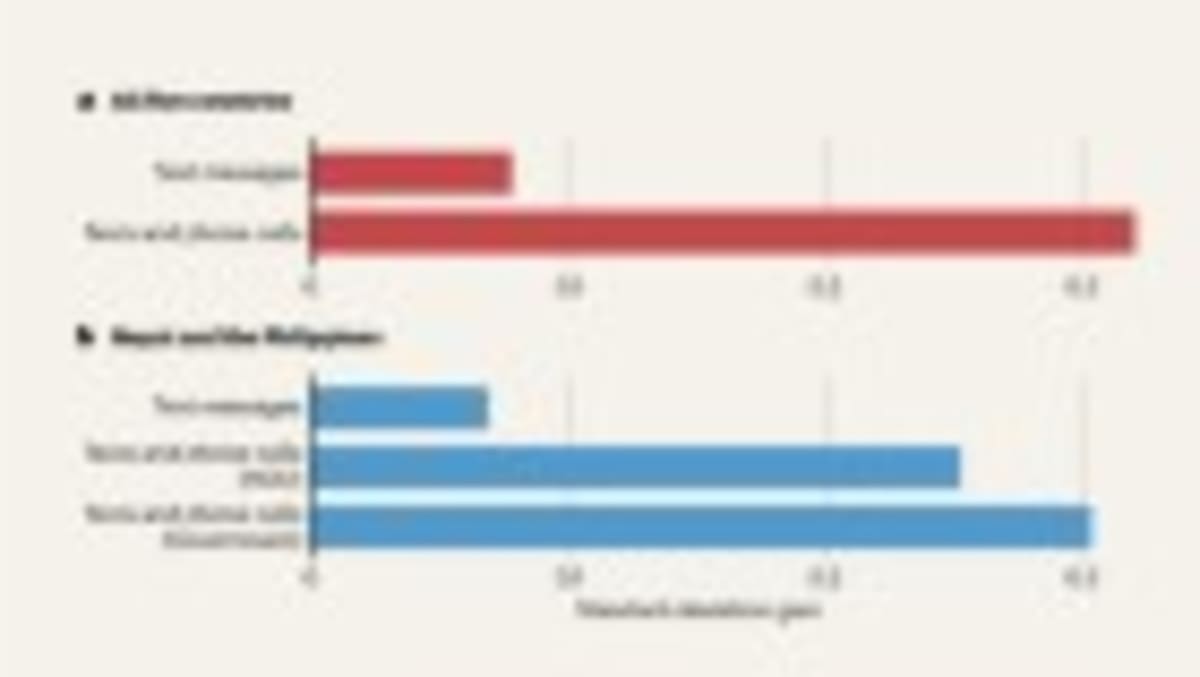
Researchers tested phone-based learning programs across five countries during school shutdowns. Students who received regular tutoring calls showed significant improvements in math scores compared to those who didn't. The programs required nothing more than a basic phone and a trained tutor on the other end of the line.
The beauty of this approach lies in its accessibility. While many education solutions require smartphones, reliable internet, or expensive equipment, phone tutoring works anywhere with basic cell service. That means children in rural areas, low-income families, and developing nations can all benefit equally.
During the programs, tutors called students regularly to work through math problems, answer questions, and provide encouragement. The personal connection made a real difference. Students stayed motivated and engaged even without seeing their tutor face-to-face.
The timing couldn't be better. School closures happen more frequently than many realize, from natural disasters and conflicts to public health emergencies. This research proves we don't need to wait for cutting-edge technology to help kids keep learning during disruptions.
The Ripple Effect
The impact extends far beyond individual test scores. When children maintain their education during crises, entire communities become more resilient. Parents can focus on recovery efforts knowing their kids are still learning. Teachers have a proven tool to reach students during emergencies.
The phone-based model also costs significantly less than many high-tech alternatives. That makes it scalable for governments and organizations working in resource-limited settings. More kids can receive help with the same budget.
Researchers found that the approach works across different cultures and educational systems. The five countries in the study represented diverse regions, yet all saw positive results. That universality suggests phone tutoring could help vulnerable students worldwide.
Schools and education ministries now have evidence-based guidance for building emergency learning programs. The study provides a blueprint for keeping education running when traditional classrooms can't. Communities everywhere can adapt the model to fit their needs and resources.
This research transforms how we think about educational resilience, proving that sometimes the simplest solutions create the biggest impact.
More Images



Based on reporting by Nature News
This story was written by BrightWire based on verified news reports.
Spread the positivity!
Share this good news with someone who needs it