Photographer Revives 19th Century Indian Photo Techniques
A Tamil Nadu photographer is bringing forgotten 19th century photography methods back to life, revealing how India's visual history was captured. Madhavan Pillai founded India's first center dedicated to researching and teaching these ancient techniques.
Imagine creating a photograph on polished silver instead of clicking a button on your phone. That's exactly what Madhavan Pillai learned to do, and he's sharing these lost skills with the world.
The Tamil Nadu photographer fell in love with old photographic methods because he believes photography can change the world. In 2006, he moved to the United States to study daguerreotype, one of the world's first photography techniques that captures images on silver-coated copper plates.
Under the guidance of renowned American daguerreotypist Jerry Spagnoli, Madhavan mastered this complex art. He returned to India in 2009 with a mission: preserve and teach the forgotten techniques that documented India's history.
That year, he founded the Goa Centre for Alternative Photography, the first organization in India dedicated to researching historical photography processes. Artists from Japan, Mexico, and across the globe traveled there to learn these dying arts.
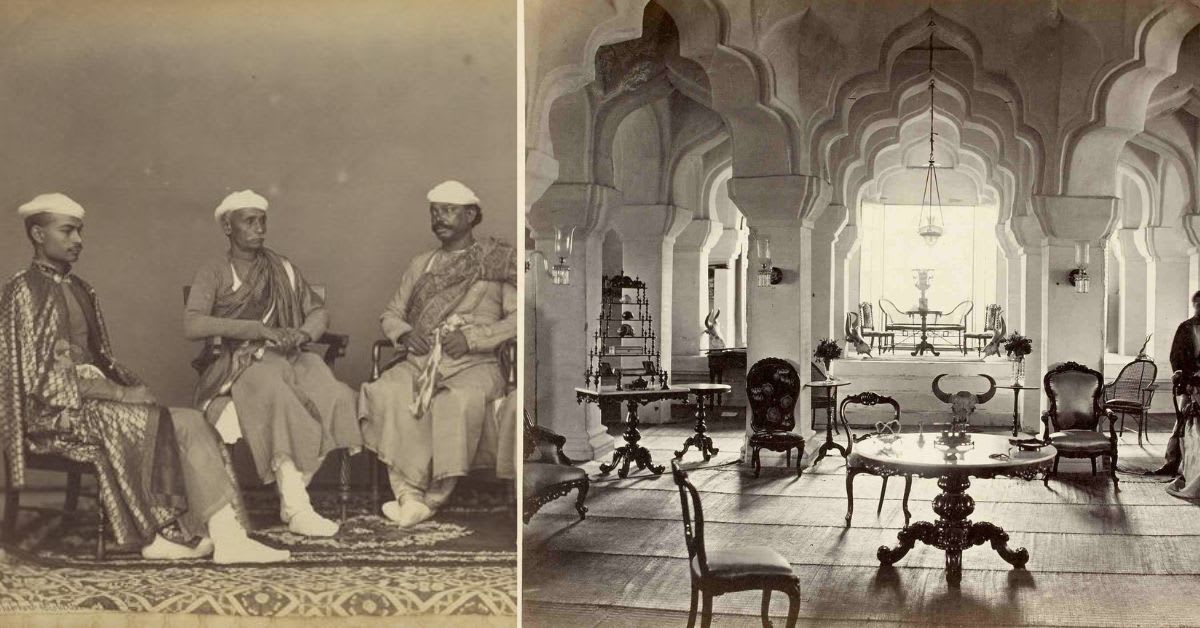
Through his research at the British Library and other archives, Madhavan discovered the period from 1836 to 1886 was photography's golden age in India. This era saw transitions from daguerreotype to Kodak cameras, with exciting new chemicals and methods emerging constantly.
He uncovered fascinating techniques behind iconic Indian photographs. The albumen print method used egg whites as a binding material to create images from negatives. Photographers coated thin paper with egg white and salt, then dipped it in silver nitrate before placing it against a negative.
The wet plate collodion process involved applying a special iodide solution to glass plates, creating negative images. Photographers like Edmund David Lyon and John Burke used this method to capture everything from palace interiors to war scenes.
Why This Inspires: Madhavan's work does more than preserve old techniques. He's protecting a visual record of how India transformed during a crucial period in history, from British East India Company control to becoming a British colony.
By teaching these methods to new generations of artists, he's ensuring that the stories behind India's historical photographs don't fade away. Each technique he revives connects us to the photographers who risked their lives and spent hours perfecting images we can now create in seconds.
His center proves that ancient methods still have value in our digital age. Sometimes looking backward helps us appreciate how far we've come.
More Images
.png)
%2Fenglish-betterindia%2Fmedia%2Fpost_attachments%2Fuploads%2F2022%2F07%2Fhistory-4-1657543525.jpg)

Based on reporting by The Better India
This story was written by BrightWire based on verified news reports.
Spread the positivity!
Share this good news with someone who needs it
%2Ffile%2Fattachments%2F2997%2F14300024_667918.jpg)