Pilot-Free Planes Now Spraying Crops in US and Brazil
Self-flying electric planes are already working on farms, spraying crops without pilots while using fewer chemicals. The technology could eventually transform passenger travel while making aviation safer and more efficient.
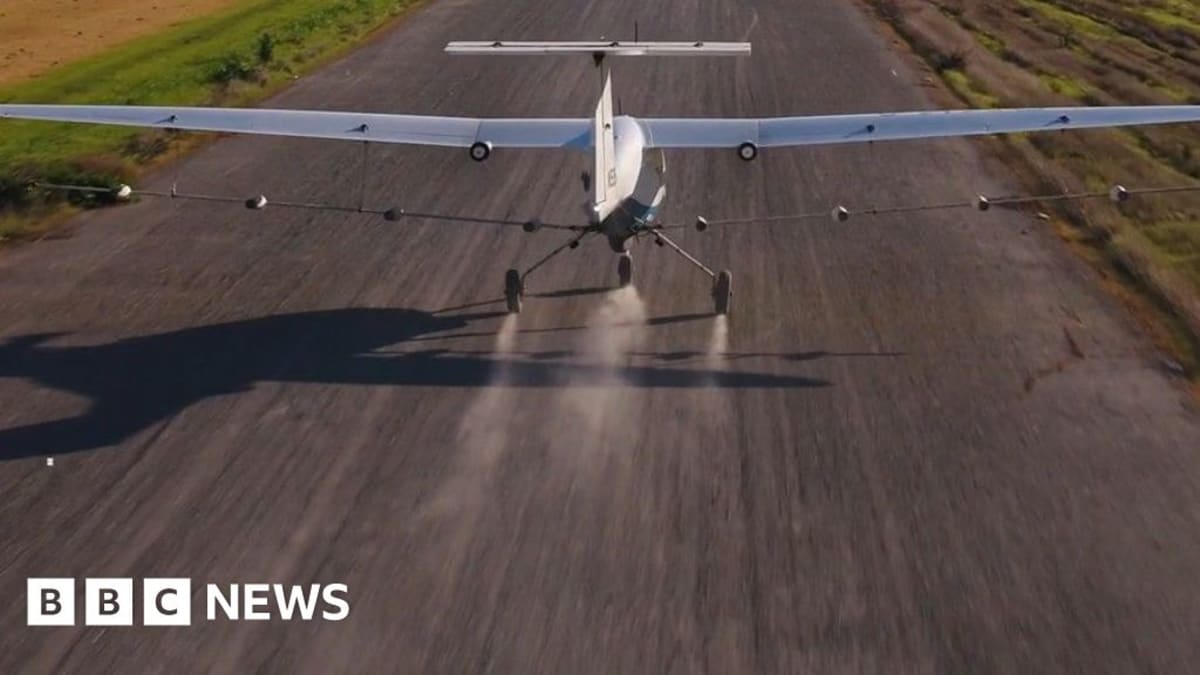
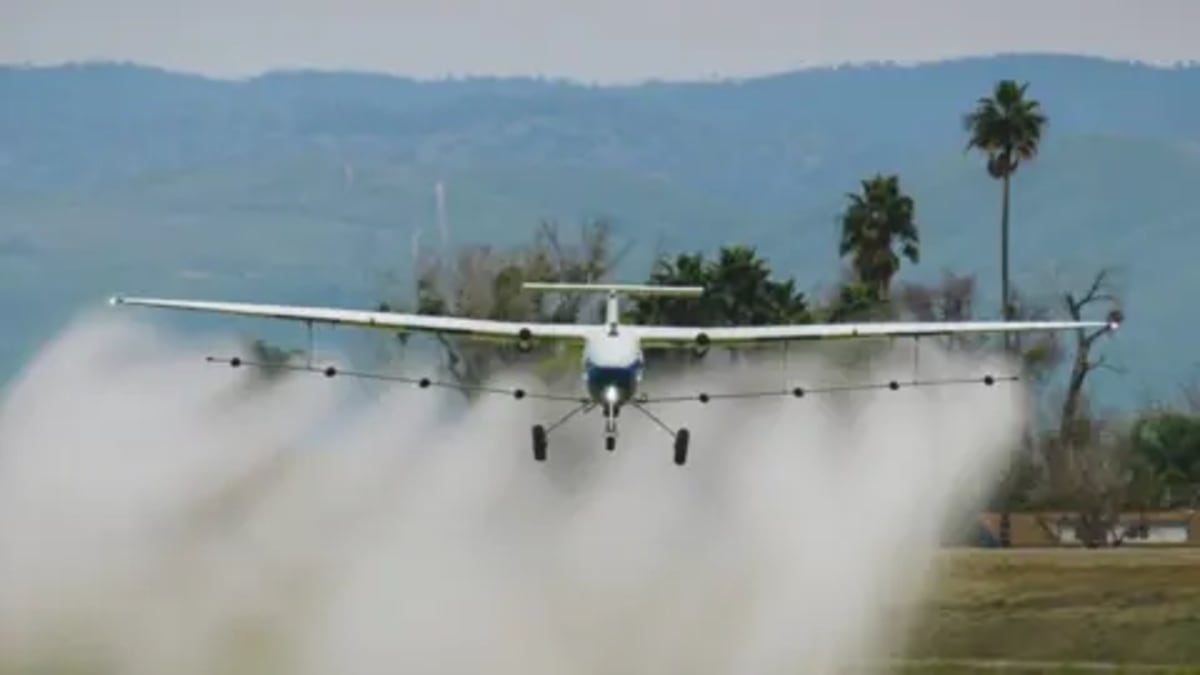
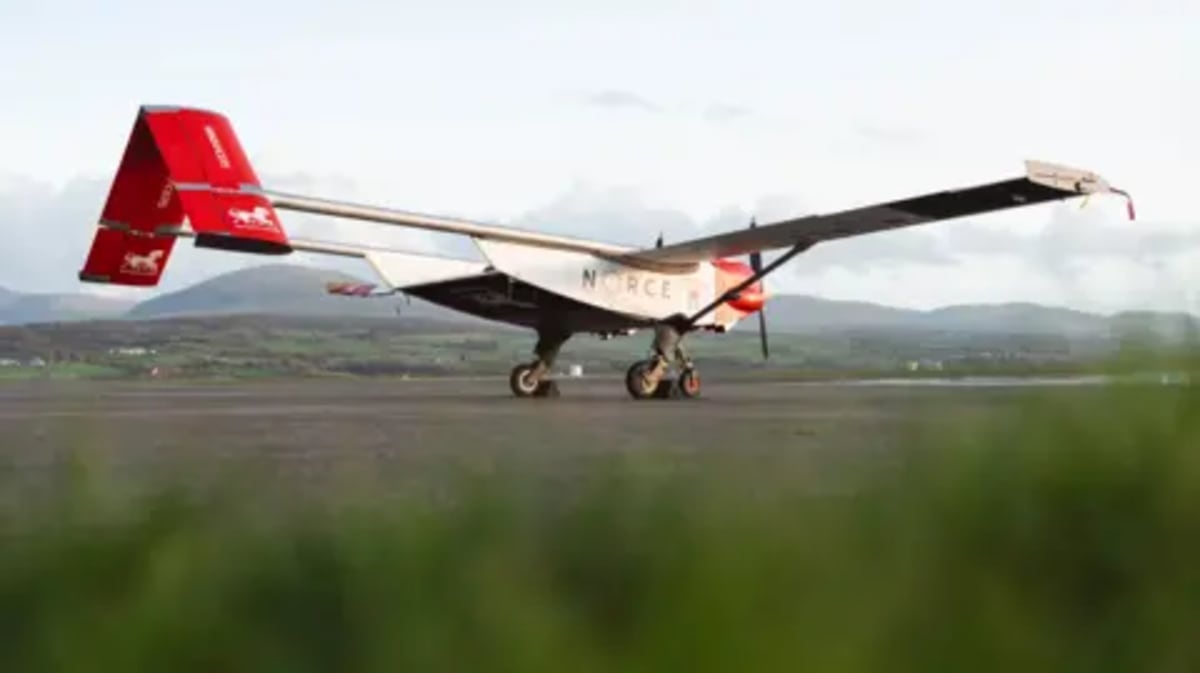
A small electric plane skims just feet above an alfalfa field in California, precisely spraying crops without a single person on board.
This isn't science fiction. Startup company Pyka has already deployed a dozen autonomous aircraft that are spraying cotton and soybeans in Brazil, with U.S. operations now underway in California's San Joaquin Valley.
The pilotless planes fly lower than human pilots can safely manage, which means less spray drifts away from crops. That translates to fewer chemicals needed and better environmental outcomes, says flight test engineer Russ Marotzke.
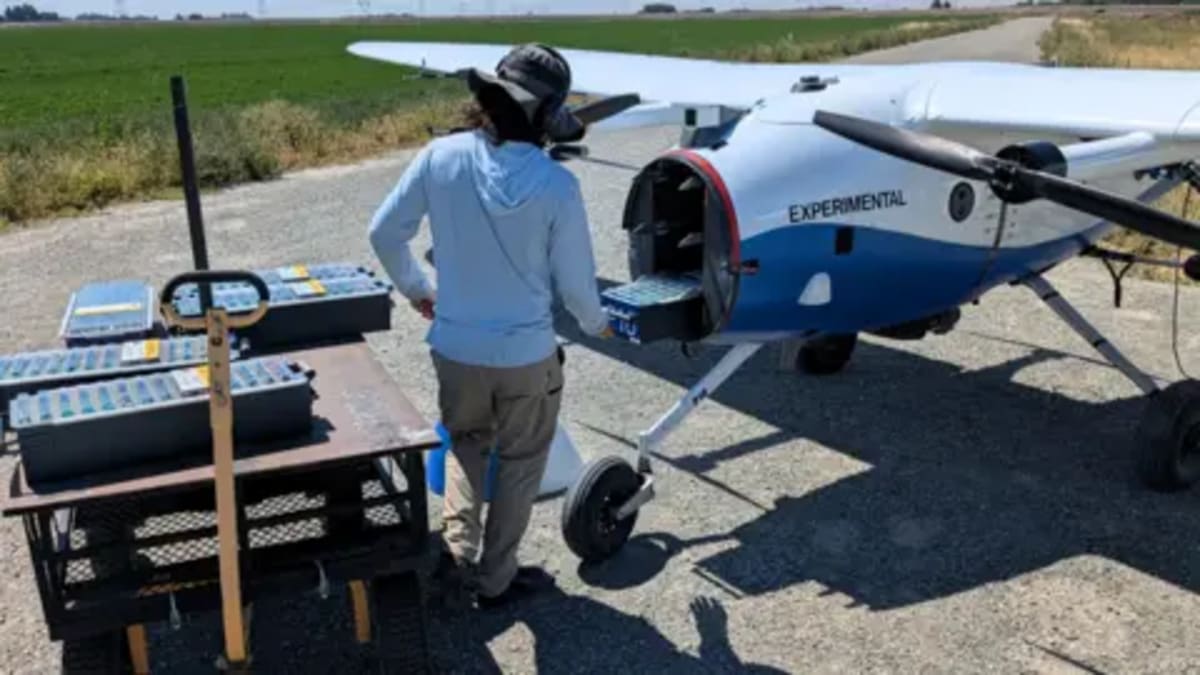
These self-flying crop sprayers represent the largest autonomous fixed-wing aircraft approved for commercial civilian use in the United States. Each plane features an 11.5-meter wingspan, carries 300 liters of spray, and flies fully electric for about 35 minutes per battery charge.
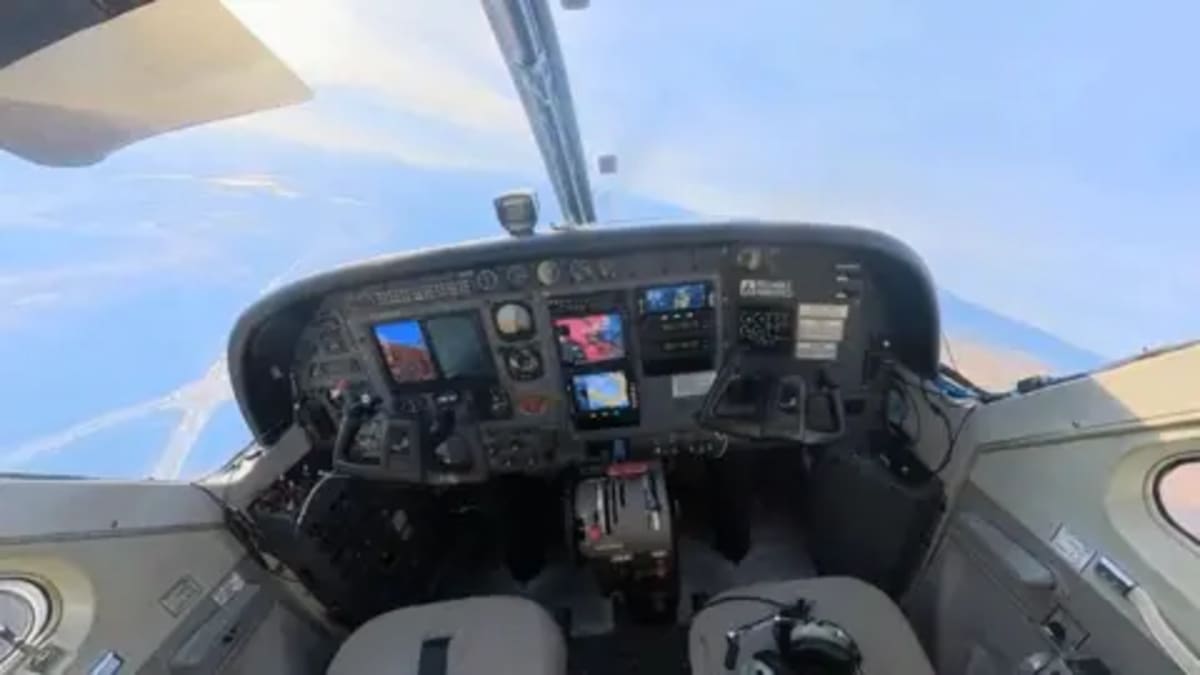
The technology works through algorithms that process sensor data to handle everything from takeoff to landing. A ground operator highlights the spray area on a computer, and the software plans the entire route, automatically avoiding obstacles like power lines.
When the plane senses it's running low on spray, it lands itself for refilling, then takes off again to resume work exactly where it left off. No remote control needed.
Pyka isn't alone in this race. British firm Windracers is seeking approval to launch autonomous cargo service to remote areas in Scotland's Shetland and Orkney islands, which would be the first heavy-lift drone cargo service in the UK.
Why This Inspires
Beyond making dangerous jobs like crop spraying safer for humans, autonomous aircraft could solve real problems facing aviation today. Pilot shortages have plagued the industry, and removing people from hazardous work protects lives.
The efficiency gains matter too. Aircraft can carry more cargo when they don't need cockpits and life support systems. One operator could eventually oversee multiple planes, dramatically cutting costs.
Perhaps most importantly, automation has historically made flying safer. As more automated systems have been introduced over the decades, accident rates have steadily declined.
Pyka's ambitious vision extends far beyond farmland. CEO Michael Norcia sees a future with large fleets of passenger-carrying autonomous planes ferrying people up and down America's coasts, with each plane holding minibus-capacity crowds.
The company plans to scale production from roughly two dozen planes annually to 1,000 by 2030. Each aircraft sells for $550,000, with customers trained to operate the ground systems themselves.
Stanford University aviation expert Mykel Kochenderfer notes that while self-flying planes have developed more slowly than self-driving cars, they operate in a more structured and predictable environment. The higher safety bar for aircraft has simply required more careful development.
The sky isn't the limit anymore — it's just the beginning of a transformation that started quietly over farmland and could reshape how we all travel.
More Images
Based on reporting by BBC Technology
This story was written by BrightWire based on verified news reports.
Spread the positivity!
Share this good news with someone who needs it