Plant Missing 60 Years Found by Smartphone Photo in Australia
A chance photo uploaded to a citizen science app has rediscovered a plant species missing since 1967. The find shows how everyday people with smartphones are revolutionizing conservation science.
A plant that disappeared from the wild for nearly 60 years has been found alive in remote northern Australia, all because someone snapped a photo and uploaded it to their phone.
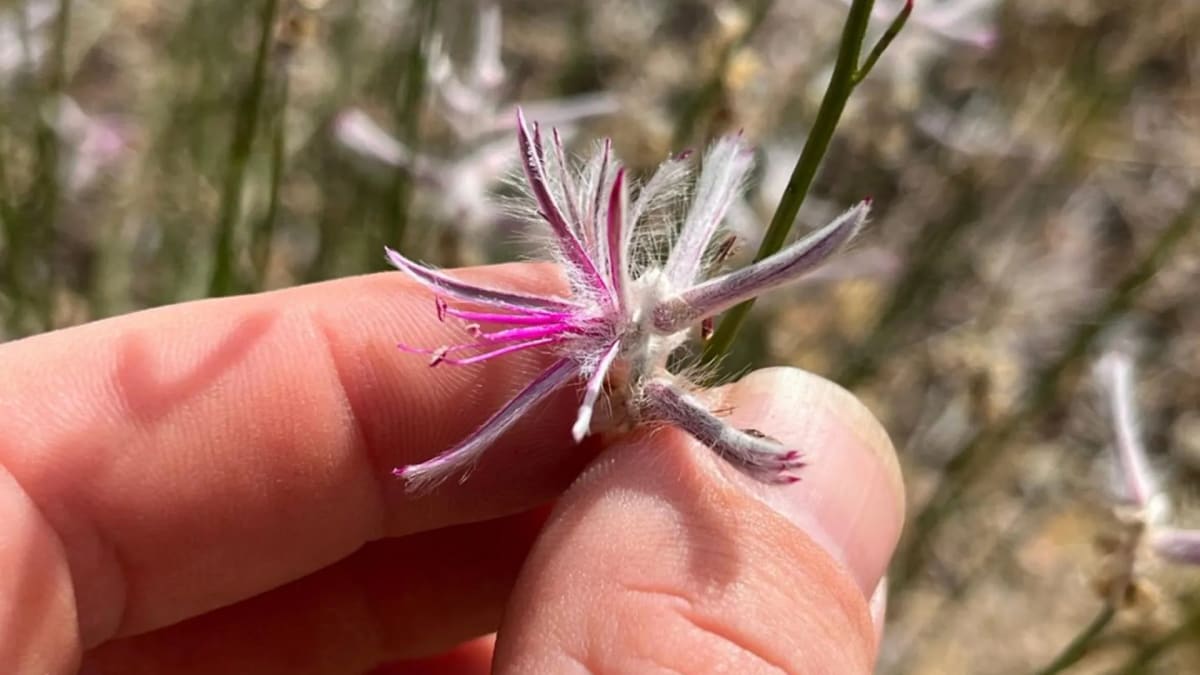
Aaron Bean, a horticulturalist helping band birds on a Queensland outback property, noticed an unusual shrub and photographed it. When he regained phone service later, he uploaded the images to iNaturalist, a free app where people share nature observations.
That simple upload changed everything. Botanist Anthony Bean from the Queensland Herbarium spotted the photos among millions of observations on the platform and immediately recognized something extraordinary: Ptilotus senarius, a delicate shrub with purple pink flowers he had described himself a decade earlier.
The species hadn't been seen since 1967. Scientists had widely assumed it was extinct.
"It was very serendipitous," said Thomas Mesaglio from the University of New South Wales, who documented the rediscovery. "Aaron Bean is an avid iNaturalist user who opportunistically took some photos of a few plants that were interesting on the property."
With the photographer's observations, the botanist's expertise, and help from the property owner, researchers confirmed the species still survives. Instead of being classified as extinct, Ptilotus senarius has now been moved to critically endangered, allowing conservation groups to focus on protecting it.
The discovery highlights a quiet revolution happening in science. Ordinary people are photographing plants and animals they encounter and uploading them to online databases, revealing species thought lost and even identifying organisms completely new to science.
The Ripple Effect
The find matters beyond saving one rare Australian shrub. Australia's enormous size and biodiversity make it impossible for scientists to survey every region, especially since about one third of the continent is privately owned land.
Programs like New South Wales's Land Libraries project now train landowners to document wildlife on their properties and upload observations to citizen science platforms. These initiatives give scientists access to remote areas while building public passion for conservation.
"Engaging landholders themselves with science and the natural world makes them far more likely to be interested and invested in protecting that diversity," Mesaglio said.
Researchers encourage people using iNaturalist to take multiple photos showing different plant parts like leaves, bark, and stems, not just flowers. Even details like how a plant smells or what soil it grows in can help identify species.
Mesaglio's separate research found that iNaturalist has already been cited in scientific papers involving 128 countries and thousands of species. With millions of observations continuing to pour in, scientists believe many more discoveries are waiting to be uncovered by people who simply noticed something interesting and decided to share it.
Based on reporting by Science Daily
This story was written by BrightWire based on verified news reports.
Spread the positivity!
Share this good news with someone who needs it