Whales Travel Record 15,100km Between Brazil and Australia
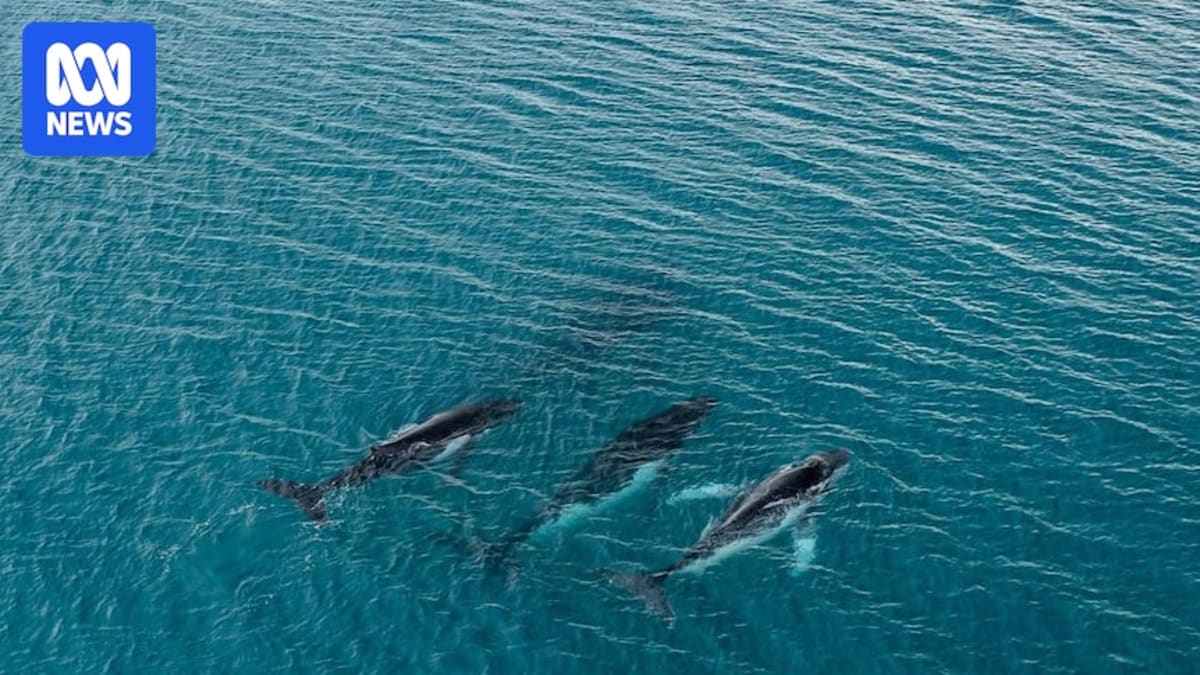
Two humpback whales have shattered distance records by swimming between opposite sides of the planet, proving these ocean giants are even more adventurous than scientists imagined. Using whale tail photos like fingerprints, researchers tracked the longest individual whale journeys ever documented.
Scientists just discovered that some humpback whales are taking epic road trips across entire oceans, traveling farther than anyone thought possible.
Using a citizen science platform called Happywhale, researchers analyzed 20,000 whale photographs spanning four decades and found two whales that swam between Queensland, Australia and Brazil. One whale traveled a straight-line distance of 15,100 kilometers, the longest journey ever recorded for an individual whale.
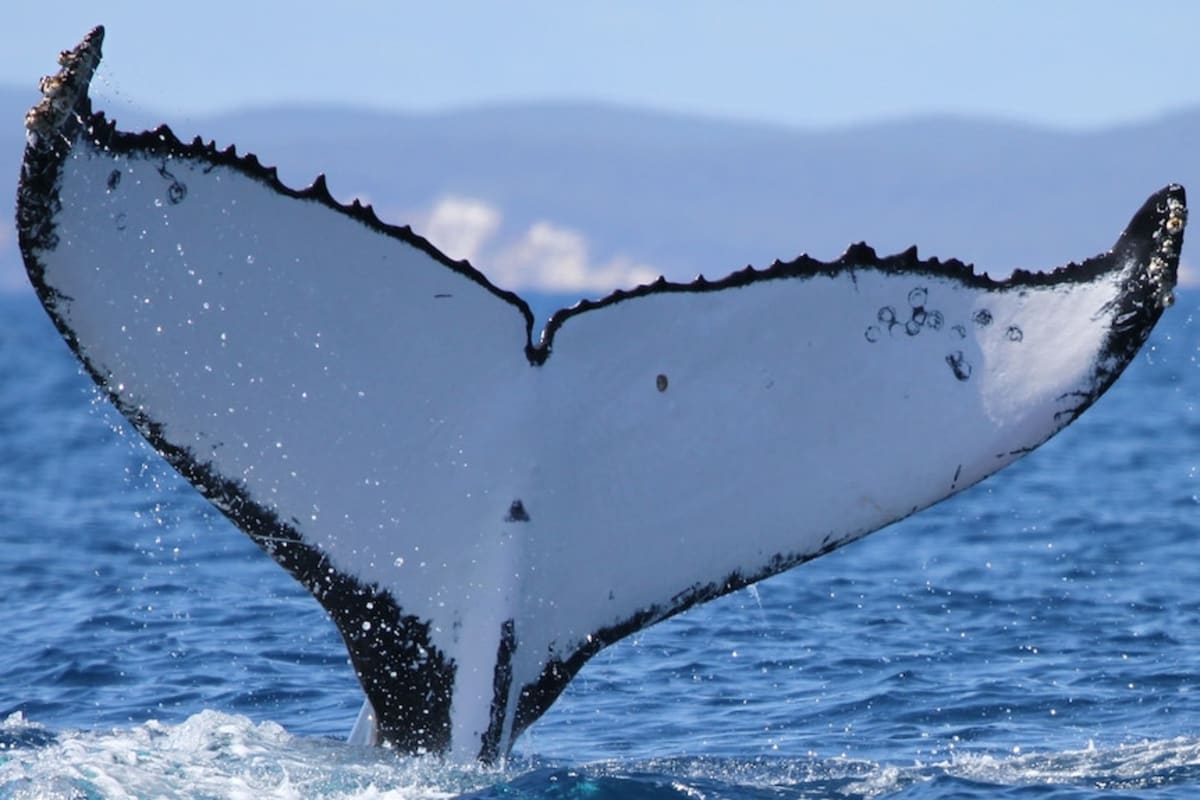
The secret to tracking these ocean marathoners? Whale tails work exactly like human fingerprints. Each humpback has unique patterns, scars, and markings on their flukes that scientists can use to identify them across thousands of miles and decades of time.
One whale was first photographed in 2003 at Brazil's main humpback nursery, swimming among a boisterous group of nine adults. Twenty-two years later, in September 2025, that same whale appeared alone in Hervey Bay, Australia, having crossed the Pacific Ocean.
The second whale made the journey in reverse, photographed in Hervey Bay in 2013 before showing up off São Paulo's coast in 2019, covering 14,200 kilometers.
Griffith University PhD candidate Stephanie Stack, who co-authored the study published in Royal Society Open Science, said this marks the first photographic proof that whales move between different breeding populations. Scientists had suspected it happened based on how whale songs spread across populations, but they'd never seen direct evidence until now.
Why This Inspires
These epic journeys reveal something beautiful about how whales rebuild their world after the devastation of commercial whaling. Stack explains that traveling between populations helps genetic diversity as whale numbers recover, giving the species a stronger future.
But there's something even more remarkable happening. Whales don't just pass along genes when they meet new groups. They share culture, teaching each other songs and behaviors that spread across hemispheres through social connection.
Marine scientist Wally Franklin, who has studied Hervey Bay's whales since the 1980s, called the finding both surprising and extraordinary. The discovery opens new questions about how different whale populations mix when they migrate to Antarctica each year.
The research succeeds partly because regular people contribute. Anyone who photographs a whale tail anywhere in the world can upload it to Happywhale, where it joins a global database scientists use to track individual whales throughout their lives. Some of the photos identifying these record-breaking travelers came from citizen scientists, not professional researchers.
Stack admits they don't know what routes the whales took or what adventures happened between sightings. But that mystery is part of the magic, reminding us how much wonder still exists in our oceans and how much we have yet to discover about these gentle giants.
More Images


Based on reporting by ABC Australia
This story was written by BrightWire based on verified news reports.
Spread the positivity!
Share this good news with someone who needs it