Molokaʻi Group Gets Grant for Ocean Climate Tech
A Native Hawaiian organization is leading the conversation on using the ocean to fight climate change. Carbon180 is funding ʻĀina Momona to explore marine carbon capture tailored to island communities.
A community group in Molokaʻi just secured funding to explore how the ocean could help solve climate change, and they're making sure island voices lead the way.
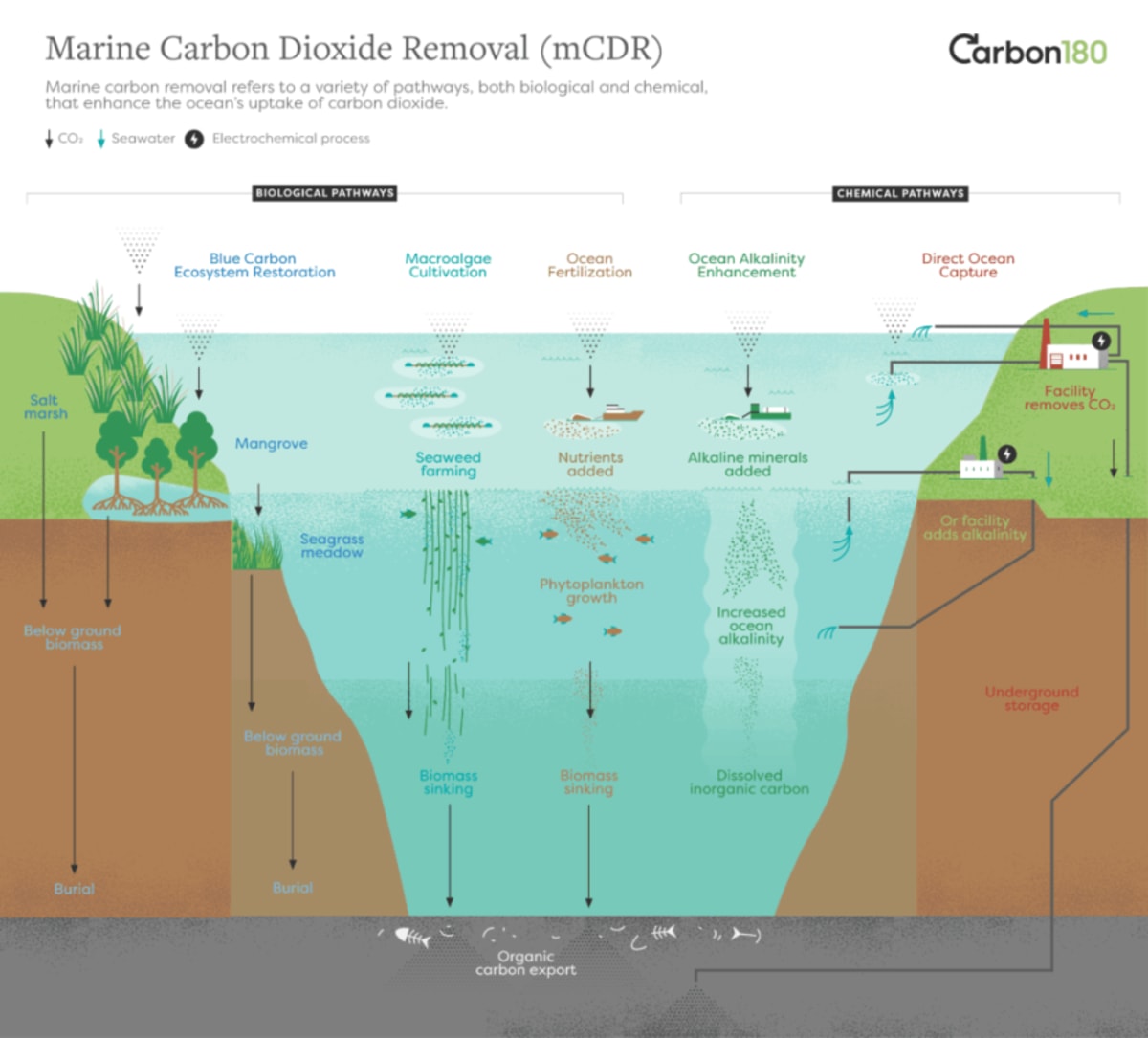
ʻĀina Momona, a Native Hawaiian organization, received a two-year grant from Carbon180 to study marine carbon dioxide removal technology. The approach pulls carbon from the air and stores it safely in the ocean, potentially offering hope for coastal communities watching sea levels rise.
Executive Director Ua Ritte sees this as Hawaiʻi claiming its seat at the global climate table. "We're facing the same problems, and even more so, in Hawaiʻi, everybody lives around the ocean," he told Hawaiʻi Public Radio. "We cannot get left out because climate change affects us a lot."
The technology isn't one-size-fits-all. What works for ocean ecosystems in one location might fail completely in another, which is why local expertise matters so much.
Stacy Aguilera-Peterson from Carbon180 emphasized that coastal communities across the world are unique. "The ecosystem is different as well," she said. "So, what might work well in one place might be very different in another place."
The Ripple Effect
The partnership represents a shift in how climate solutions get developed. Instead of outside experts imposing fixes on communities, Carbon180 is funding local groups to design their own approaches.
Eric Sutton from Carbon180 explained that community-driven solutions last longer. "We've seen time and again that solutions, if it's climate solutions, environmental solutions, any other solution to community, is more durable if it comes from the community," Aguilera-Peterson added.
Hawaiian researchers are already studying how marine carbon removal could benefit local waters and the people who depend on them. The grant gives ʻĀina Momona the resources to explore those possibilities on their own terms.
The project sets boundaries that honor community priorities while tackling a global challenge. "We think that the folks that we're partnering with are doing a really fantastic job at figuring out what those boundary lines are," Aguilera-Peterson said.
Island communities watching their reefs struggle and shorelines shift now have a chance to help write the climate playbook.
More Images

Based on reporting by Google News - Climate Solution
This story was written by BrightWire based on verified news reports.
Spread the positivity!
Share this good news with someone who needs it