Plants Can Absorb Nutrients Directly From Dust on Leaves
Scientists discovered that plants can "eat" dust that lands on their leaves, opening up an entirely new understanding of how nature nourishes itself. This hidden survival skill helps plants thrive in harsh, nutrient-poor environments.
Nature just revealed one of its most elegant survival tricks: plants can feed themselves by absorbing nutrients from dust that settles on their leaves.
For years, scientists knew that billions of tons of dust travel across continents and oceans each year, enriching soils with minerals. But a new study published in New Phytologist shows that some plants skip the middleman entirely, pulling essential nutrients like iron, phosphorus, and potassium directly through their foliage.
Researchers at Tel Aviv University tested this idea in Israel's Judean Hills, a region bathed in mineral dust from the Arabian and Sahara deserts. They dusted three common shrub species with volcanic ash containing unique chemical signatures that don't match local soil.
The results were clear. Plants showed increased concentrations of iron, manganese, nickel, and copper in their shoots, while root concentrations stayed the same. The nutrients were definitely coming through the leaves.
"Plants are not limited to taking up nutrients through their roots," plant biologist Marcelo Sternberg told the researchers. "They can also absorb nutrients directly from dust through their leaves."
The mechanism is surprisingly sophisticated. When dust lands on leaves, the plant secretes slightly acidic compounds that dissolve the minerals, making them available for absorption. It's like the plant creates its own tiny chemistry lab on every leaf surface.
The team calculated that this foliar uptake could supply up to 17% of the iron plants need in the Western United States and up to 12% of the phosphorus in the Eastern Amazon. That's a significant chunk of nutrition coming from the sky.
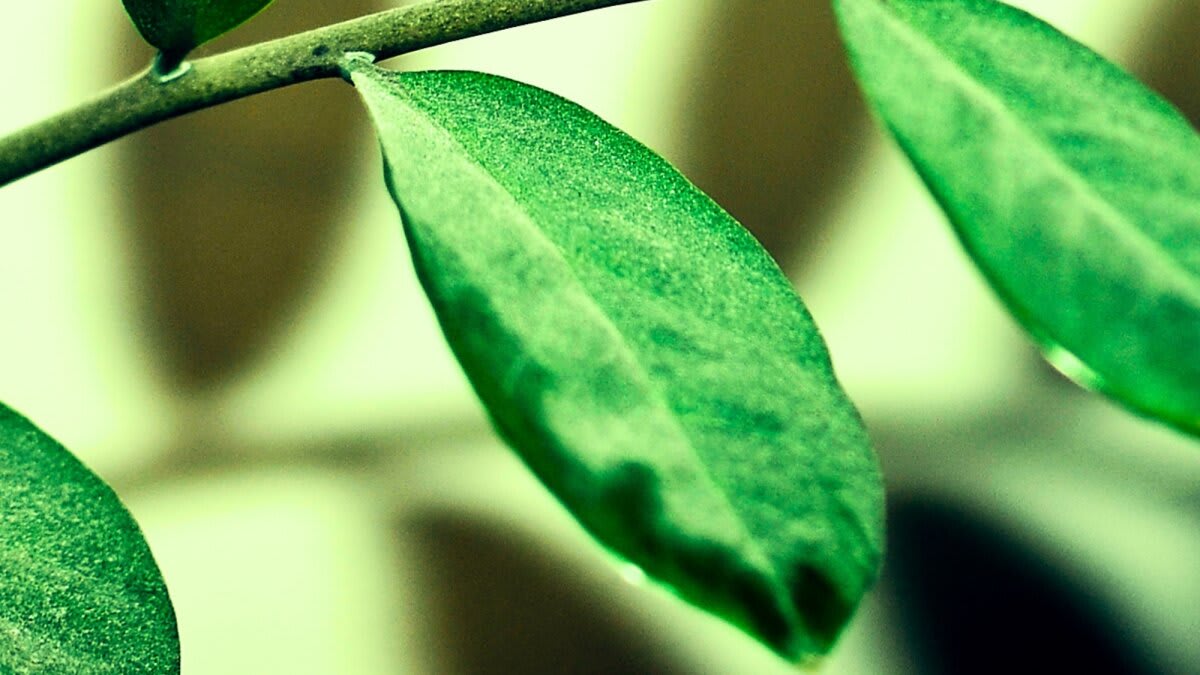
Some plants have even evolved special features to maximize this dust-eating ability. Hairy leaves called trichomes, previously thought to just reduce heat and water loss, actually trap dust particles and boost nutrient absorption.
Why This Inspires
This discovery reminds us that even systems we think we understand completely still hold beautiful secrets. Plants have been quietly feeding themselves through this backup system for millennia, and we're only now catching on.
In ecosystems where soil nutrients are scarce, this ability could mean the difference between survival and death. Nature doesn't waste opportunities. Every speck of dust becomes potential nourishment.
The finding opens doors for understanding how plants adapt to challenging environments and could eventually inform approaches to growing crops in nutrient-poor regions.
Nature continues teaching us that life finds a way, even in the harshest conditions.
More Images


Based on reporting by New Atlas
This story was written by BrightWire based on verified news reports.
Spread the positivity!
Share this good news with someone who needs it
%2Fhttps%3A%2F%2Ftf-cmsv2-smithsonianmag-media.s3.amazonaws.com%2Ffiler_public%2F96%2F29%2F96293c84-c9d0-4e95-937e-0c025c80d88e%2Fscreenshot_2026-08-17_at_34552pm.png)