Why Cooperation, Not Competition, Drives Human Progress
Scientists discovered our cells evolved through cooperation, not competition. Now research shows humanity's greatest advances come from working together across boundaries.
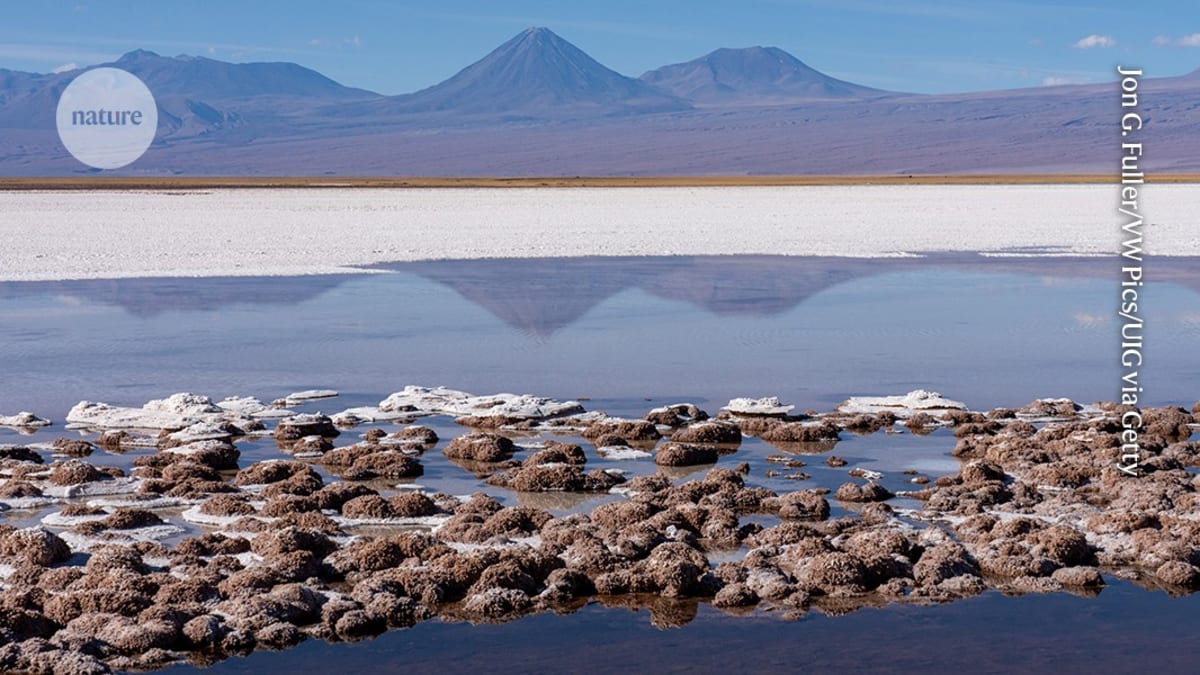
Your body exists because ancient microorganisms chose cooperation over conflict billions of years ago. That discovery by scientist Lynn Margulis in 1967 shocked biologists who believed evolution was all about survival of the fittest.
Margulis proved that complex cells didn't compete their way to success. Instead, they formed partnerships in what she called the Endosymbiotic Theory, showing that collaboration built every living thing we see today.
This finding opened the door to understanding "reciprocal altruism" in human evolution. Scientists Robert Trivers and Michael Tomasello found that people survived and thrived not by fighting each other, but by building strong social bonds and cooperative communities.
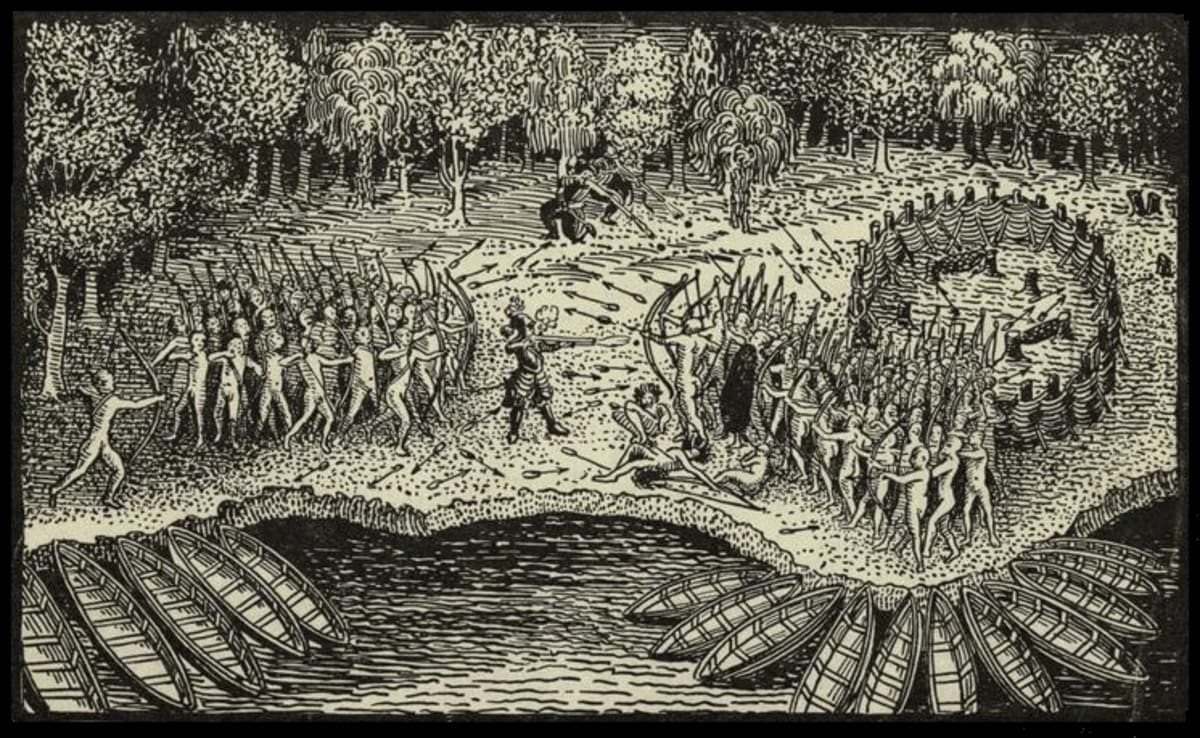
Our early ancestors lived in small bands of 50 people who relied on mutual support to survive. When these groups grew into larger tribes, they faced a choice: fight endlessly or find ways to cooperate across tribal lines.
Some chose peace. Before the 15th century, five Native American tribes formed the Seneca Nation under The Great Law of Peace, creating shared governance that impressed European colonists enough to inspire America's federal structure.
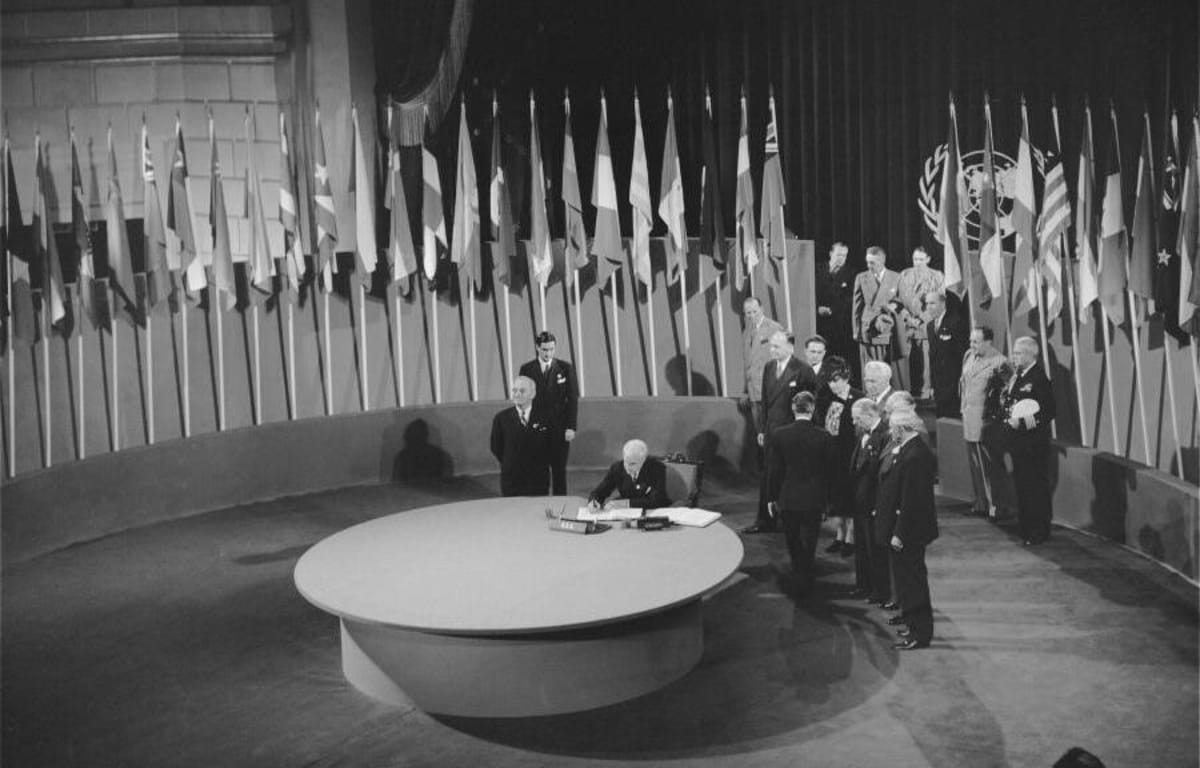
The 20th century taught humanity a harsh lesson about the costs of conflict. Two World Wars showed that violence between nations creates lose-lose scenarios, spurring the creation of the United Nations in 1945 and the Universal Declaration of Human Rights in 1948.
The threat of nuclear war pushed cooperation even further. When leaders realized that nuclear conflict meant Mutually Assured Destruction, strategic cooperation became essential for survival, not just preferable.
The Bright Side
Today's research confirms what Margulis discovered in our cells applies to human society. Mathematical models show that when people cooperate and share resources fairly, societies become more stable and prosperous for everyone.
The Marshall Plan after World War II proved this works at scale. Instead of punishing defeated nations, helping them rebuild created lasting peace and economic growth across Europe.
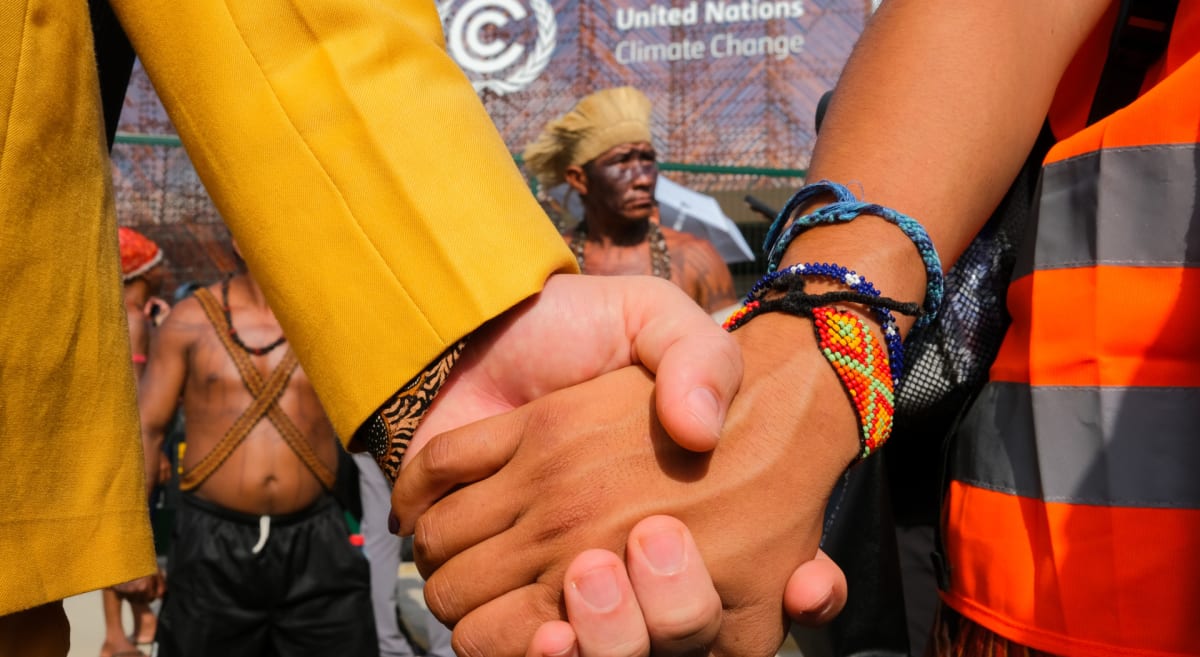
Modern challenges like climate change and global health require the same cooperative spirit that built our cells and sustained our ancestors. History shows we can evolve our behavior when survival depends on it.
From microscopic organisms to global alliances, life's biggest wins have always come from working together. The question isn't whether cooperation works, but whether we'll choose it fast enough.
More Images


Based on reporting by Google: cooperation international
This story was written by BrightWire based on verified news reports.
Spread the positivity!
Share this good news with someone who needs it
%2Fhttps%3A%2F%2Ftf-cmsv2-smithsonianmag-media.s3.amazonaws.com%2Ffiler_public%2F96%2F29%2F96293c84-c9d0-4e95-937e-0c025c80d88e%2Fscreenshot_2026-08-17_at_34552pm.png)