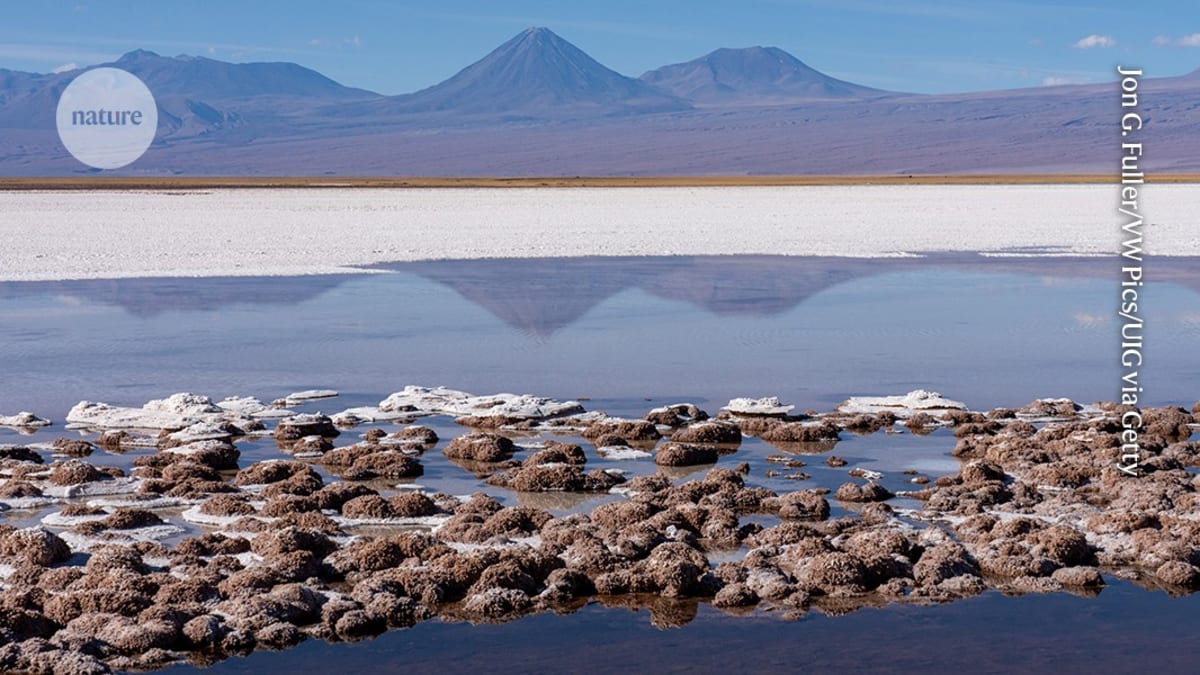
Plants With Extra DNA Survived Asteroid That Killed Dinosaurs
Scientists just solved a 25-year mystery about why some plants have extra sets of chromosomes. These genetic "hopeful monsters" survived Earth's worst disasters, including the asteroid that wiped out the dinosaurs.
Some plants carry a genetic superpower hidden in every cell, and it may have saved them from extinction when an asteroid killed the dinosaurs 66 million years ago.
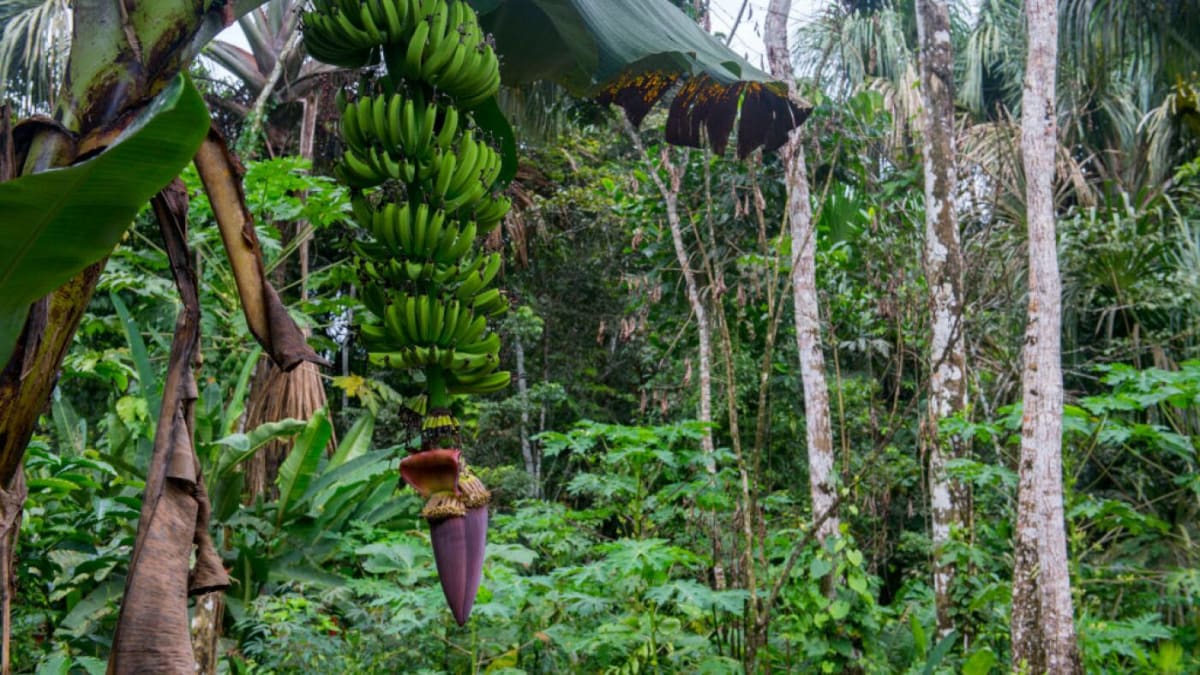
Most humans have two sets of chromosomes, one from each parent. But many plants pack far more into their cells. Strawberries have eight sets, and many banana species have extra copies too.
This trait, called polyploidy, puzzled scientists for decades. Having extra chromosomes usually makes survival harder, not easier. The extra genetic baggage slows down cell division and creates more chances for harmful mutations.
Yet when researchers at Ghent University in Belgium looked at 470 plant species, they found something remarkable. Ancient genome duplications didn't happen randomly. They clustered during Earth's most dramatic upheavals over the last 150 million years.
Yves Van de Peer and his team spent 25 years tracking these patterns. They found polyploid plants thriving during periods of extreme cooling, warming, and mass extinctions. The biggest cluster appeared right around the asteroid impact that ended the dinosaur age.
More than half of all plant species went extinct during that dark period. But polyploid plants had an edge. With extra genes, they could capture scarce light for photosynthesis better than their competitors. While other plants died off, these "hopeful monsters" survived.
The Bright Side
This discovery brings hope for our changing climate today. Polyploid plants that struggled during normal times become champions during environmental chaos. Their descendants lost many extra chromosomes over millions of years, but DNA evidence of that life-saving duplication remains.
Plant biotechnologist Sandra Pitta sees immediate applications. If polyploidy helps plants resist different stresses, breeders can use this knowledge to develop hardier crops. As Earth's climate shifts again, these naturally tough plants could help feed the world.
The paradox is finally solved. Sometimes what looks like a weakness becomes the ultimate survival tool when everything changes. These plants bet on resilience, and when catastrophe struck, they won.
After a quarter century of research, Van de Peer can finally rest easy knowing nature's insurance policy works exactly when it matters most.
More Images



Based on reporting by NPR Science
This story was written by BrightWire based on verified news reports.
Spread the positivity!
Share this good news with someone who needs it
%2Fhttps%3A%2F%2Ftf-cmsv2-smithsonianmag-media.s3.amazonaws.com%2Ffiler_public%2F96%2F29%2F96293c84-c9d0-4e95-937e-0c025c80d88e%2Fscreenshot_2026-08-17_at_34552pm.png)