Plants Can Count to Three Without Brains, Study Finds
Scientists discovered that mimosa pudica plants can count events and learn patterns despite having no neurons. This breakthrough suggests intelligence might exist in every living cell, not just brains.
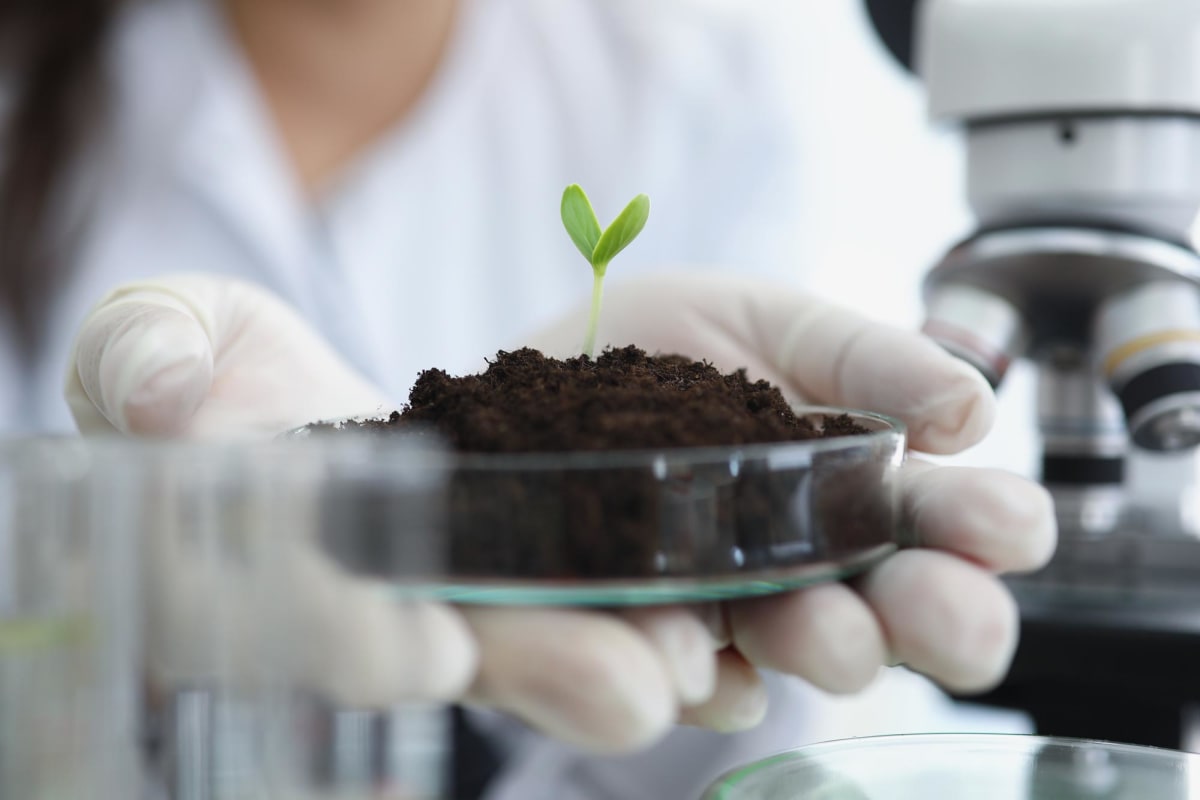
A humble houseplant just changed everything we thought we knew about intelligence. Researchers at William & Mary have discovered that plants can count events and learn patterns without a single neuron, opening up a whole new understanding of what it means to think.
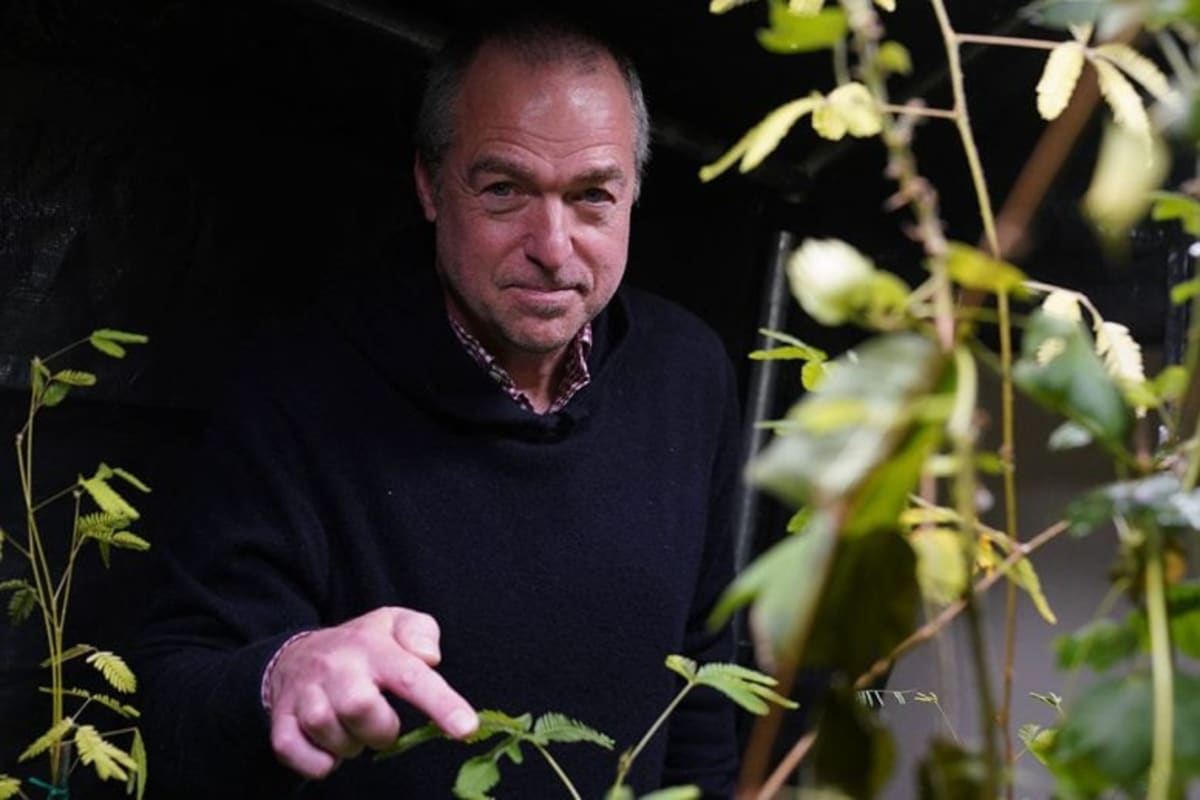
Professor Peter Vishton and his team studied mimosa pudica, the shy plant whose leaves fold when touched. They exposed the plants to repeating cycles of light and darkness in a windowless lab, creating a three-day pattern: 12 hours dark, 12 hours light, 12 hours dark, then repeat.
After five repetitions, something remarkable happened. The plants started moving more during the period just before expected sunrise, but stayed still on the third day when darkness continued. They had learned the pattern.
"This seems to suggest that the plants were able to learn this three-day cycle and shift their movement in response," Vishton explained. The learning curve matched exactly what scientists see in rats learning to press levers in sequence.
But could the plants simply be tracking time instead of counting events? To find out, the researchers shortened each day from 24 hours to 20 hours. The plants quickly adjusted, still showing they knew when day three arrived.
They pushed further, randomly varying cycle lengths from 10 to 32 hours. The plants could track patterns between 12 and 24 hours but got confused outside that range. This suggests plants need a minimum time to process signals and have limits on how long they remember information.
Why This Inspires
For decades, every theory about memory and learning centered on neurons firing in brains. These results flip that assumption upside down. If plants can process information and learn without neurons, what else might be capable of intelligence?
"There are lots of cells in animals and humans that aren't neurons," said Vishton. "Maybe learning is present in every cell. We've just never really studied it before."
The implications reach far beyond curious houseplants. Scientists are already imagining biological computing systems, plant-based environmental sensors, and even new approaches to help people unlearn addictive behaviors at the cellular level.
This research started during the COVID pandemic when Vishton, a developmental psychologist, decided to explore plant behavior in his spare time. What began as a side project during lockdown has become a window into forms of intelligence we never knew existed.
Every living thing around us might be smarter than we ever imagined.
More Images

Based on reporting by Google News - Scientists Discover
This story was written by BrightWire based on verified news reports.
Spread the positivity!
Share this good news with someone who needs it