Plants Warn Neighbors of Danger Through Simple Touch
Scientists discovered that plants physically touching each other activate an early warning system, sharing stress signals that boost their survival during heat and intense sunlight. This overlooked cooperation could change how we grow crops in our warming world.
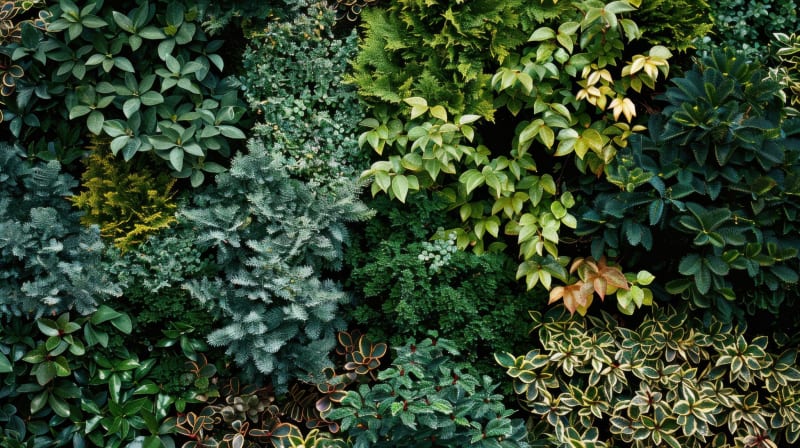
Plants might be better neighbors than we thought. New research from the University of Missouri reveals that when plants touch, they share warning signals that help each other survive environmental stress.
Scientists led by plant researcher Ron Mittler tested small flowering plants called Arabidopsis, creating two groups: one where leaves touched and another where plants grew alone. When both groups faced intense light mimicking heatwave conditions, the touching plants showed significantly less damage.
"If you stimulate or stress one plant, it will send a signal to all the other plants that it touches, and they all become more tolerant," Mittler explained. The physical connection acted like an alert system, preparing neighboring plants for incoming stress.
The team went deeper by creating a three-plant chain and swapping in mutant plants that couldn't transmit chemical signals. When the middle plant couldn't pass messages, the resilience disappeared, proving that active communication was happening.
The secret messenger turned out to be hydrogen peroxide, a common chemical signal in plants. Through simple touch, plants were rapidly sharing this compound to prepare their neighbors for danger.
This discovery challenges the old view of plants as purely competitive. While scientists knew plants communicate underground through root systems and fungi networks, this above-ground cooperation through touch was surprising.
"Typically, we view plants as competitors," said Mittler. "But if you grow under harsh conditions, you better grow in a group."
Why This Inspires
This research arrives at a crucial moment as climate change brings more frequent heatwaves and intense sunlight. Understanding how plants naturally protect each other could reshape agriculture and help us feed people more reliably.
Farmers might benefit from planting crops closer together in certain conditions. City planners designing green spaces could create more resilient urban forests. Even home gardeners might reconsider giving every plant its own wide berth.
The study, published as a preprint on bioRxiv and awaiting peer review, joins growing evidence that plants are far more interactive than we realized. They sense their environment, communicate with neighbors, and make survival decisions as a community.
Cornell plant biologist Piyush Jain, who co-authored the study, called the experimental design "thoughtful and clever" for exploring pathways of plant communication that remain underexplored.
What looked like passive green organisms competing for resources may actually be cooperative communities capable of collective resilience. In the toughest conditions, plants literally stand together.
Based on reporting by Optimist Daily
This story was written by BrightWire based on verified news reports.
Spread the positivity!
Share this good news with someone who needs it