Plymouth Launches $1.5M Underwater Tech Testing Hub
A new ocean floor testing system lets scientists and businesses trial underwater technology in real conditions for the first time. The breakthrough could solve two of the biggest challenges holding back ocean innovation.
Plymouth just became the world's newest playground for underwater innovation, and it could change how we explore and protect our oceans.
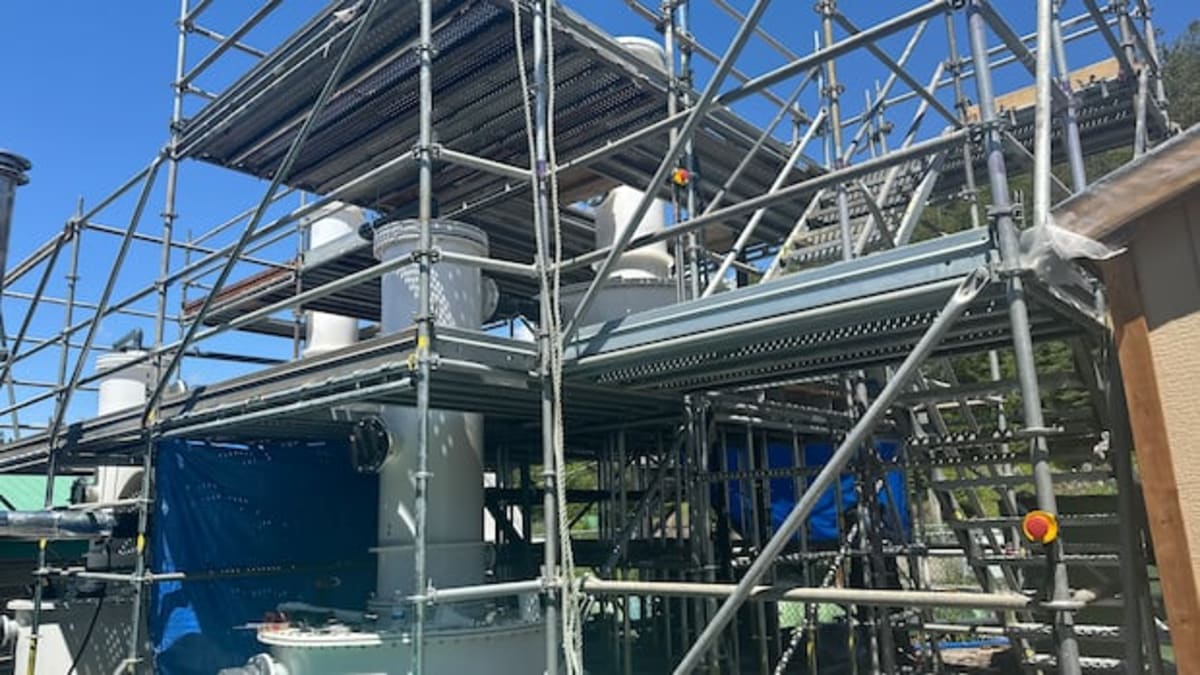
The UK city launched Smart Sound Connect Subsurface, a network of sensors positioned on the seabed that tracks and communicates with underwater technology in real time. For the first time, researchers and businesses can test navigation systems, sensors, and autonomous underwater vehicles in actual ocean conditions without needing physical cables.
The three-year project cost $1.5 million and brought together the University of Plymouth, Plymouth Marine Laboratory, and underwater engineering company Sonardyne. Together, they built something that tackles the two biggest headaches in underwater tech: knowing exactly where something is beneath the waves and talking to it wirelessly.
Think of it as a testing ground where new ocean technology can prove itself before going into wider use. Scientists can now trial systems that might help us understand climate change, protect marine life, or discover new resources beneath the sea.
The system extends Plymouth's existing Smart Sound testbed, which already made the city a leader in marine robotics. The UK recently named Plymouth its National Centre for Marine Autonomy, cementing its reputation as the place where ocean innovation happens.
The Ripple Effect
This underwater testing hub arrives at a perfect time. Ocean technology has lagged behind other fields partly because testing in real marine conditions has been so difficult and expensive. Now businesses and research teams have an affordable way to see if their innovations actually work where it matters.
The permanent infrastructure also means continuous improvement. Each test adds knowledge that helps the next team solve their challenge faster. What starts as better underwater communication could lead to improved ocean monitoring systems, more effective marine conservation tools, or safer autonomous vehicles exploring the deep sea.
Plymouth's investment shows how one city can accelerate progress across an entire industry by building the testing grounds everyone needs but no single organization could justify alone.
The ocean covers 70% of our planet, yet we've explored less than 20% of it. This new testing hub just made exploring and protecting the rest a little bit easier.
Based on reporting by Google News - Tech Breakthrough
This story was written by BrightWire based on verified news reports.
Spread the positivity!
Share this good news with someone who needs it