Deep-Sea Robots Gently Collect Minerals Without Harm
Underwater robots are learning to pick up valuable rocks from the ocean floor one by one, protecting sea life while gathering materials we need for technology. This gentle approach could change how we source critical minerals without destroying ocean habitats.
Imagine a robot vacuum, but for the ocean floor, and it only picks up exactly what it needs while avoiding everything else.
Deep Sea Minerals Corp and Impossible Metals just partnered to test a revolutionary way to gather critical minerals from the deep ocean. Their solution? Smart underwater robots that act more like careful gardeners than industrial miners.
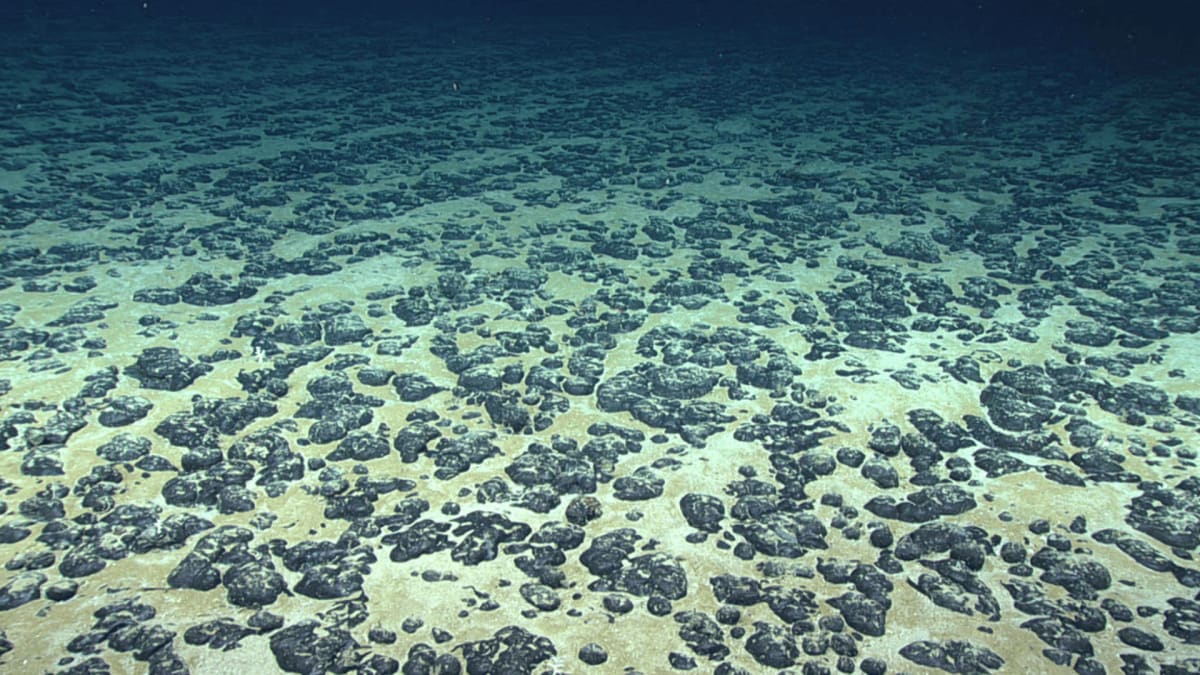
The system, called Eureka, uses computer vision and robotic arms to spot and collect specific metal-rich rocks called polymetallic nodules. These potato-sized rocks contain materials essential for batteries, electronics, and defense systems. Instead of scraping or dredging the seafloor, the robots float above it, identify the right rocks, and gently pick them up while leaving sea creatures and their homes untouched.
Traditional ocean floor mining methods disturb massive areas of seafloor and kick up clouds of sediment that can harm marine life. This selective approach changes that equation entirely.
"Deep Sea Minerals is pursuing a responsible, staged and partnership-driven approach to offshore critical minerals development," said James Deckelman, the company's CEO. The partnership gives them a practical way to test whether robotic collection can meet both environmental and commercial goals.
The timing matters. Global demand for these minerals is accelerating as we build more renewable energy systems, electric vehicles, and advanced technology. The question isn't whether we need new mineral sources, but how to access them responsibly.
The Ripple Effect
This collaboration represents something bigger than one technology. It shows how robotics and artificial intelligence can solve problems that once seemed impossible to tackle cleanly.
The robots' ability to see, decide, and act selectively means we might access resources we need without the environmental devastation that typically comes with mining. That same technology could apply to other industries where precision matters more than brute force.
Deep Sea Minerals has already submitted an application to NOAA and is preparing another in the Cook Islands. While regulatory approval takes time, that careful process ensures proper environmental safeguards stay in place.
The partnership will focus on deploying the technology, testing collection methods, monitoring environmental impact, and evaluating whether it works at commercial scale. Each step prioritizes understanding the full impact before moving forward.
Steve Curnutte, Executive Chairman of Impossible Metals, believes breakthroughs in robotics and machine intelligence can fundamentally improve how we access critical resources. This project tests whether that belief holds up in the real world.
Sometimes the most exciting innovations aren't about doing things faster or bigger, but about doing them smarter and gentler.
More Images



Based on reporting by Google: robotics innovation
This story was written by BrightWire based on verified news reports.
Spread the positivity!
Share this good news with someone who needs it