Living Plastic Self-Destructs in 6 Days, No Microplastics
Scientists created a "living plastic" that completely breaks down in just six days without leaving any microplastic pollution behind. The material uses engineered bacteria that wake up on command and eat the plastic from the inside out.
Imagine a plastic bag that could completely disappear in less than a week, leaving nothing behind but harmless building blocks. Scientists just made it real.
Researchers have developed a breakthrough "living plastic" embedded with dormant bacteria that can fully decompose the material in six days. Unlike regular plastics that persist for centuries or break down into harmful microplastics, this new material vanishes completely when activated.
The secret lies in tiny bacterial helpers engineered to work as a tag team. The scientists modified Bacillus subtilis bacteria to produce two specialized enzymes that break down plastic together. The first enzyme cuts long plastic chains at random points, while the second nibbles away at the ends of those shorter fragments until only basic building blocks remain.
These bacteria stay asleep inside the plastic until you're ready to dispose of it. The finished material feels and performs just like regular plastic, staying strong and functional during normal use. Adding the dormant bacterial spores doesn't weaken the plastic at all.
When it's time to break down the material, researchers simply add warm water with nutrients. The bacteria wake up, start producing their enzymes, and get to work dismantling the plastic from within. Because the enzymes work methodically through the entire material, nothing crumbles into microplastic fragments.
The team tested their invention by creating a wearable electrode from the living plastic. The device worked perfectly for its intended purpose, then completely degraded within two weeks after activation. This proves the material could work for real products that need durability for a limited time but shouldn't stick around forever.
The researchers focused on polycaprolactone, a plastic commonly used in 3D printing and some medical sutures. However, they believe the same approach could be adapted for many other types of plastic, including materials used in disposable packaging and single-use products.
The Ripple Effect
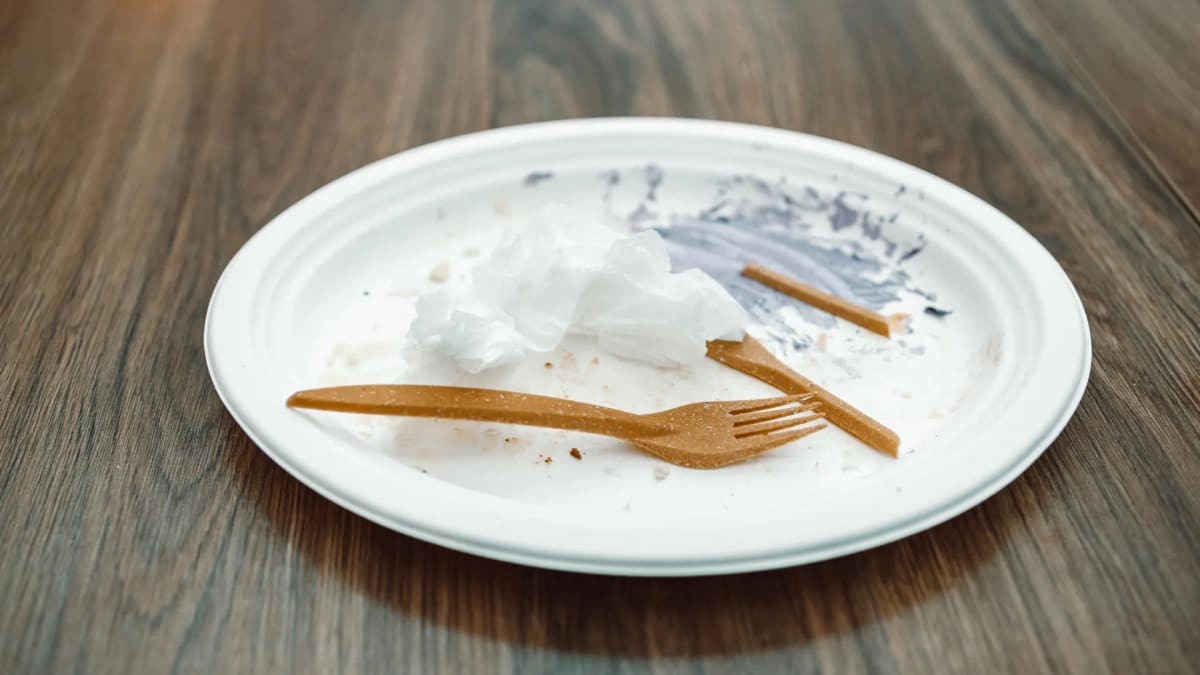
Right now, billions of plastic items get used for just minutes but pollute our environment for generations. This living plastic technology could fundamentally change that equation by building disposal directly into the material itself.
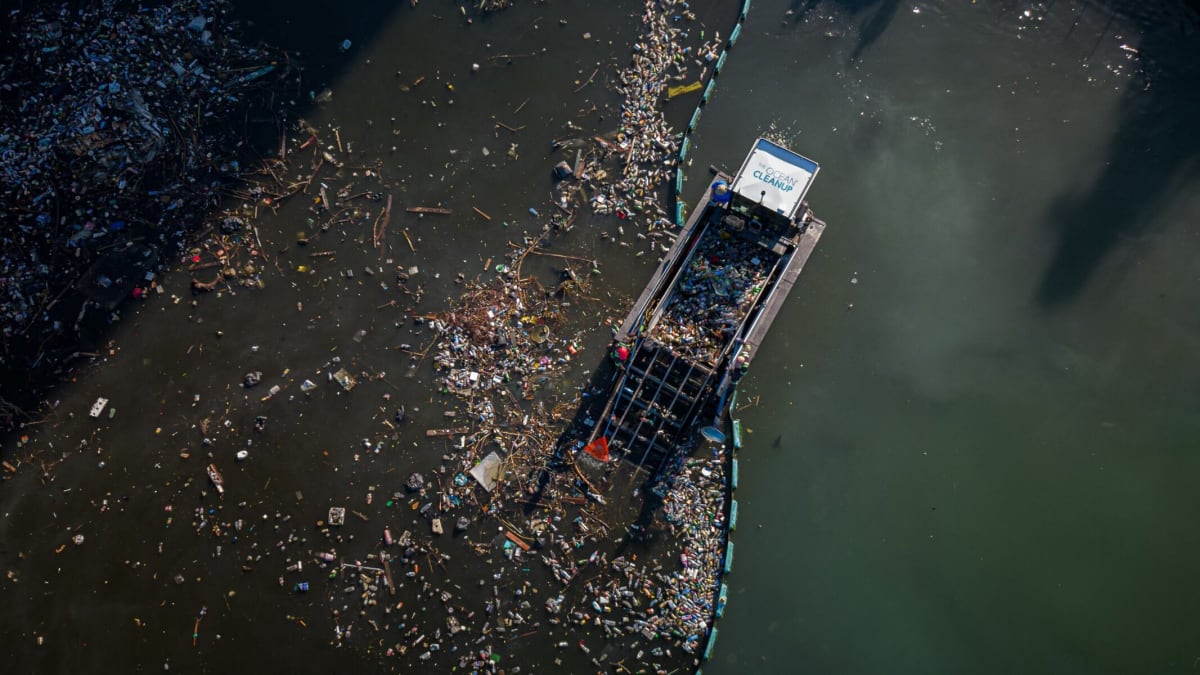
The research team is already working on the next step: activating the bacteria in water, where so much plastic waste ends up. If they succeed, these self-destructing materials could help tackle pollution in oceans, rivers, and lakes.
The innovation arrives at a critical moment, as microplastic contamination has been found everywhere from mountaintops to human bloodstreams. A plastic that can truly vanish without a trace offers hope for breaking free from the waste that defines our era.
Based on reporting by Science Daily
This story was written by BrightWire based on verified news reports.
Spread the positivity!
Share this good news with someone who needs it