Pneumonia Vaccine Cuts Child Deaths 75% Since 2000
A vaccine introduced in 2000 has virtually eliminated severe pneumonia infections in children, transforming pediatric medicine forever. Doctors who practiced before the vaccine say today's waiting rooms are unrecognizable from the crisis-filled clinics of the 1990s.
Pediatricians who started practicing before 2000 remember waiting rooms packed with sick children suffering from ear infections, pneumonia, and life-threatening bloodstream infections. Today, those scenes have nearly disappeared thanks to a vaccine that changed everything.
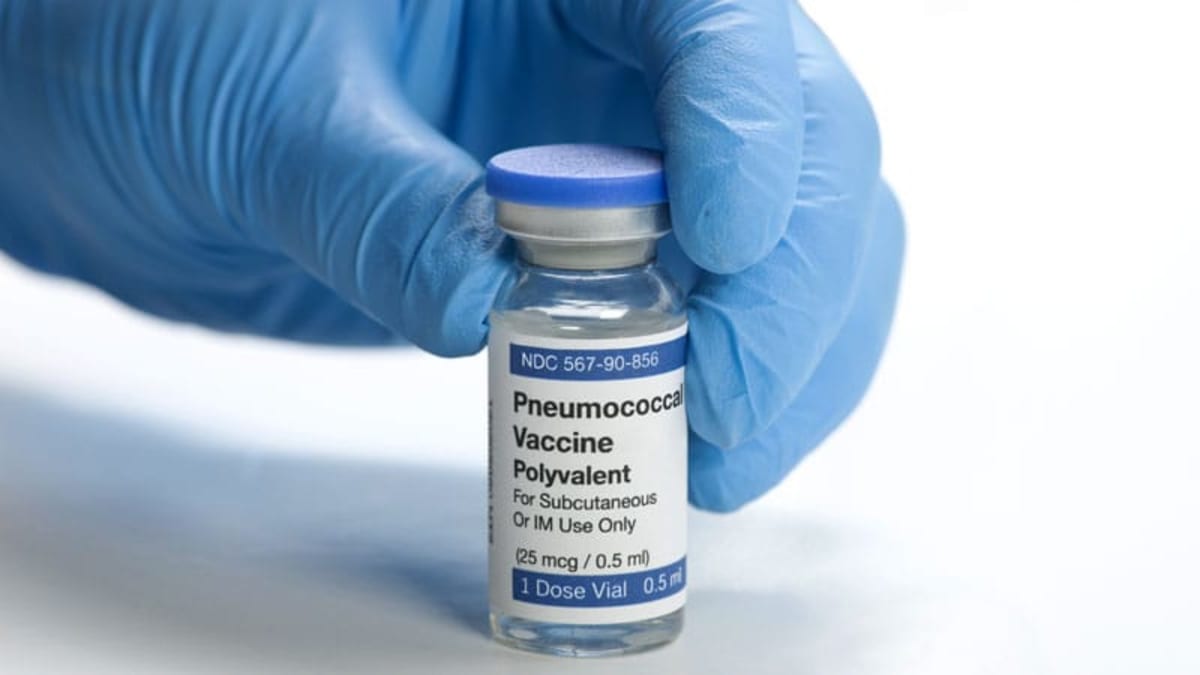
The pneumococcal conjugate vaccine, first introduced in 2000, cut invasive pneumonia disease in young children by more than 75%. Babies who once faced deadly meningitis and sepsis now grow up healthy, and emergency rooms see far fewer children struggling to breathe.
The vaccine worked so well it even protected grandparents. When vaccinated children stopped carrying the bacteria in their noses and throats, they stopped spreading it to adults, creating a shield of protection across entire communities.
The vaccine also tackled an invisible problem: antibiotic-resistant bacteria. Many of the deadliest pneumonia strains were resistant to multiple drugs, but the vaccine targeted exactly those strains. Their near disappearance represents one of public health's quietest victories.
The bacteria haven't given up completely, though. As vaccine-targeted strains vanished, other strains moved in to fill the empty space, like weeds growing in a cleared garden. Scientists call this "serotype replacement," and it's become the next frontier in vaccine research.
This adaptation doesn't mean the vaccine failed. The new strains cause far less severe disease than the original killers, and researchers are already developing next-generation vaccines targeting 30 to 35 different bacterial types at once.
Some scientists are taking an even bolder approach, working on vaccines that target the bacteria's core structure rather than its outer coating. These could provide protection regardless of which strain emerges next, ending the adaptation cycle altogether.
The Ripple Effect
The vaccine's impact reaches far beyond pediatric offices. Fewer sick children means fewer parents missing work, fewer hospital stays, and fewer families facing medical debt. Communities with high vaccination rates see lower antibiotic use overall, slowing the spread of drug resistance everywhere.
Developing countries that introduced the vaccine saw even more dramatic results. In regions where pneumonia once killed hundreds of thousands of children annually, death rates plummeted within years of vaccine rollout.
The success has inspired similar approaches for other bacterial diseases. Researchers are now applying lessons learned from pneumonia vaccines to develop better protection against meningitis, whooping cough, and other childhood infections.
Today's young doctors may never see a child dying from pneumococcal meningitis, a situation their predecessors faced regularly. That absence of tragedy, invisible but profound, stands as one of medicine's greatest triumphs.
Based on reporting by Google News - Vaccine Success
This story was written by BrightWire based on verified news reports.
Spread the positivity!
Share this good news with someone who needs it