Poland and Germany Team Up for Baltic Sea Wind Energy Boom
Poland and Germany are joining forces to transform the Baltic Sea into a major renewable energy hub, with Poland's wind farms racing ahead while Germany works to catch up. The partnership could strengthen Europe's energy independence and create a model for cross-border clean energy cooperation.
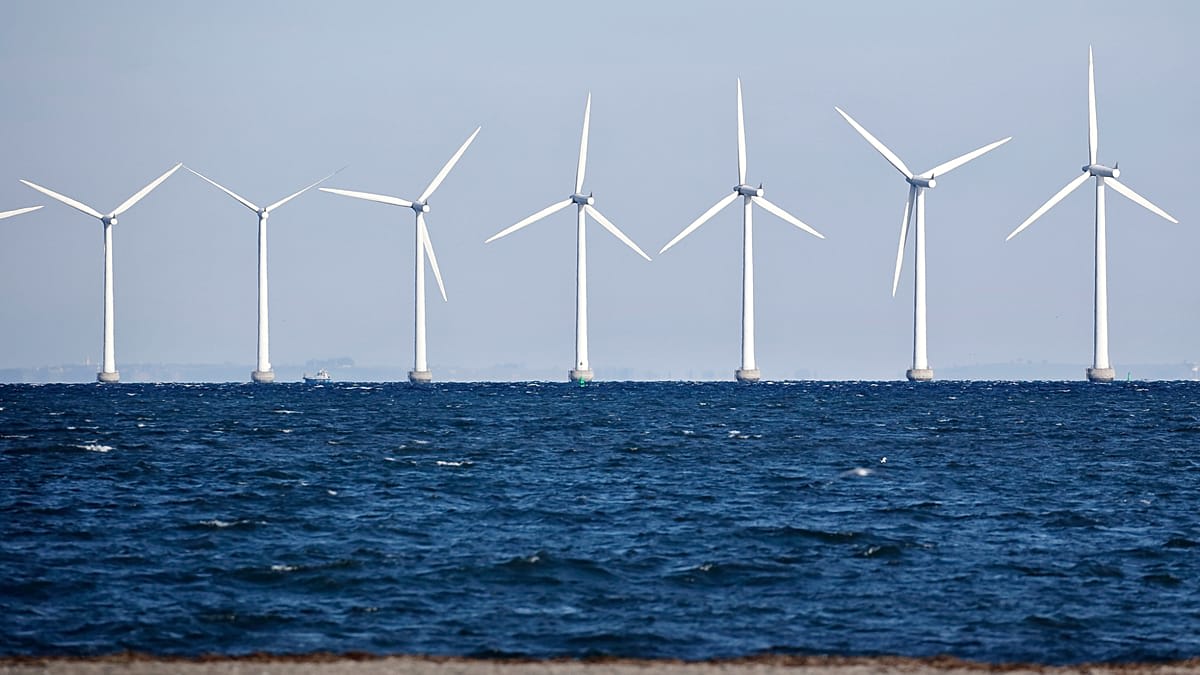
While much of Europe struggles with energy challenges, Poland and Germany are betting on a brighter future powered by Baltic Sea wind farms.
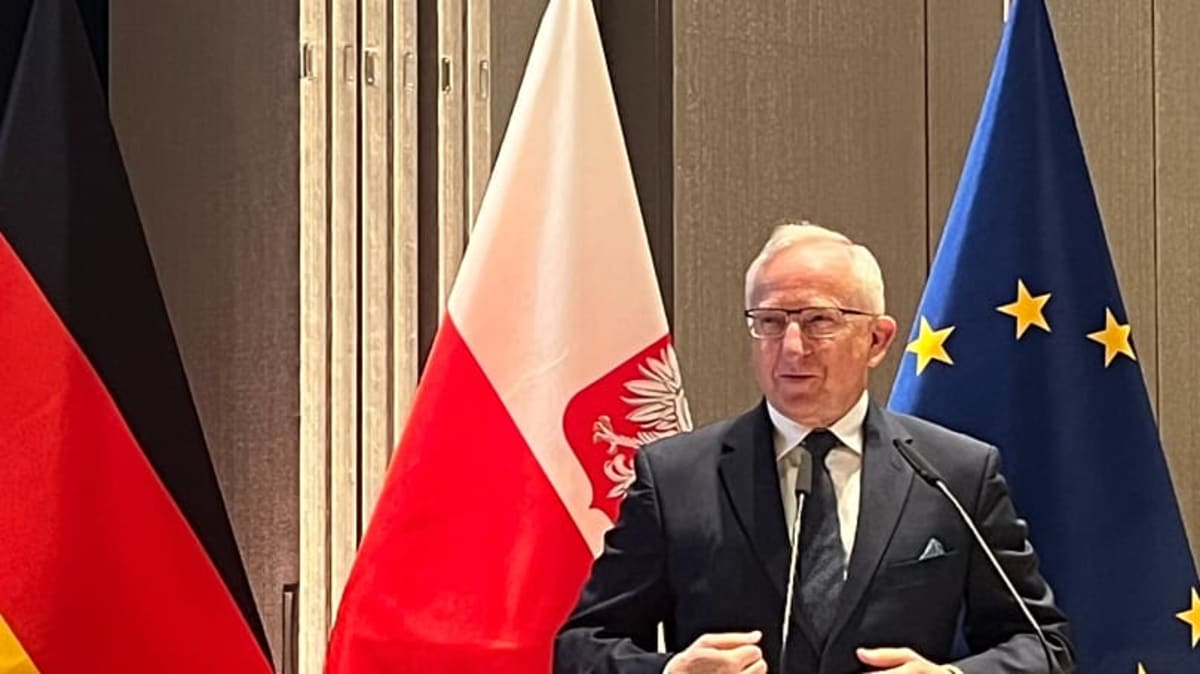
At the 4th German-Polish Energy Transition Forum in Berlin, leaders from both nations gathered to discuss an ambitious vision. The Baltic Sea could become Europe's next major energy powerhouse, generating clean electricity for millions of homes while reducing dependence on unstable energy suppliers.
Poland is leading the charge with impressive speed. The country has already built more than 11 gigawatts of onshore wind capacity, enough to power seven to ten million households annually. Its first offshore wind farm is under construction and will begin operating in the second half of 2026, with multiple additional projects already in development.
Meanwhile, Poland's economy is thriving with 3.3 to 3.5 percent GDP growth expected this year, significantly outpacing the EU average. The country's approach combines offshore wind expansion with energy storage and nuclear power to ensure reliable supply.
Germany is taking notice. Despite being slower to develop Baltic Sea wind farms compared to its North Sea projects, German companies are increasingly partnering with Polish developers as suppliers and project partners.
"A good crisis should not be wasted," says Jan Tombiński, Poland's ambassador to Germany, citing how energy challenges have created opportunities for cooperation. Poland has now become a more important economic partner for Germany than the United States, with deeply interconnected economies.
The collaboration makes strategic sense for both nations. Germany phased out nuclear power and needs reliable renewable sources, while Poland wants to diversify away from risky energy imports. Together, they can build the infrastructure needed to share clean power across borders.
The Ripple Effect
This partnership extends far beyond two countries. By working together on offshore wind, Poland and Germany are creating a model for European energy cooperation that could inspire similar projects across the continent.
Dr. Elmar Stracke from Germany's energy industry association explains the vision simply: "The sea is the space that matters, not the individual coastline." Rather than competing, neighboring nations can share the vast renewable resources available in their shared waters.
The infrastructure being built today will serve Europe for decades. Energy experts predict that in twenty years, cross-border wind power networks will operate seamlessly, providing reliable clean electricity while reducing costs through economies of scale.
Poland's State Secretary for Energy, Konrad Wojnarowski, emphasizes the stakes. A nationwide blackout would cost Poland €9.5 billion per day, making energy security essential. By investing now in renewable infrastructure and regional partnerships, both nations are protecting their economic futures.
The message from Berlin is clear: cooperation works, and the Baltic Sea's wind resources are too valuable to waste.
More Images
Based on reporting by Google News - Wind Energy
This story was written by BrightWire based on verified news reports.
Spread the positivity!
Share this good news with someone who needs it