%2Fhttps%3A%2F%2Ftf-cmsv2-smithsonianmag-media.s3.amazonaws.com%2Ffiler_public%2Fe5%2F65%2Fe565dc15-66b0-4aa2-b6c1-8f40373ef12a%2Ffatter-polar-bears.jpg)
Polar Bears Gaining Weight Despite Melting Sea Ice
Polar bears in Norway's Svalbard region have been gaining weight since 2000, even as their Arctic hunting grounds disappear. Scientists are discovering how these clever predators are adapting their diets and hunting strategies to survive warming temperatures.
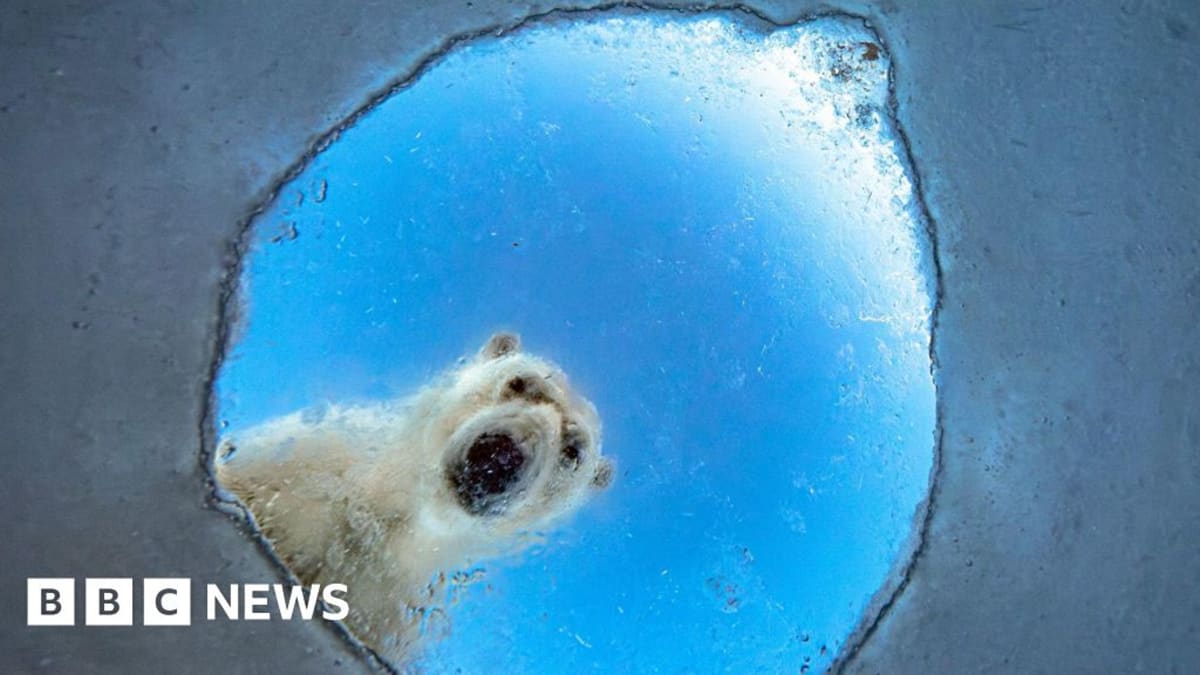
Polar bears near Norway are doing something remarkable in the face of climate change: they're getting chubbier, not thinner.
Scientists measured 770 adult polar bears living around Norway's Svalbard archipelago between 2000 and 2019. Despite losing significant sea ice hunting grounds during those years, the bears actually gained weight after 2000.
The findings surprised lead researcher Jon Aars, a polar bear ecologist at the Norwegian Polar Institute. "When I started, I would assume they would be struggling and they would get leaner, skinnier," he told reporters. "That was wrong."
The bears appear to be adapting their survival strategies in creative ways. Some have switched to eating reindeer and walrus carcasses, which became more available after hunting bans increased those populations. Others changed how they hunt seals.
When sea ice shrinks, ringed seals cluster together in higher densities in the remaining ice patches. This unexpected side effect makes it easier for polar bears to spot and catch their favorite springtime meal.
Not every bear is adapting the same way. Some stay near Svalbard and eat more land-based food. Others migrate hundreds of miles to Russian islands each spring to maintain their traditional marine diet.
Why This Inspires
These findings reveal nature's incredible ability to adapt under pressure. While climate change remains a serious threat to polar bears worldwide, this research shows some populations have surprising resilience.
The bears demonstrate what biologist Lori Quakenbush calls a "complex relationship" between habitat, prey, hunting skills, and energy storage. Each of the 20 polar bear subpopulations around the Arctic faces unique circumstances that affect their survival differently.
Still, scientists caution that these positive signs might not last forever. As sea ice continues retreating, bears that migrate will face longer, more exhausting swims to reach hunting grounds. And losing ice eventually means losing bears.
But for now, this population offers hope that some polar bears can buy themselves time while humans work on larger climate solutions.
More Images
%2Fhttps%3A%2F%2Ftf-cmsv2-smithsonianmag-media.s3.amazonaws.com%2Ffiler_public%2Fe5%2F65%2Fe565dc15-66b0-4aa2-b6c1-8f40373ef12a%2Ffatter-polar-bears.jpg)
%3Afocal(4344x2813%3A4345x2814)%2Fhttps%3A%2F%2Ftf-cmsv2-smithsonianmag-media.s3.amazonaws.com%2Ffiler_public%2Fe5%2F65%2Fe565dc15-66b0-4aa2-b6c1-8f40373ef12a%2Ffatter-polar-bears.jpg)


Based on reporting by Smithsonian
This story was written by BrightWire based on verified news reports.
Spread the positivity!
Share this good news with someone who needs it