Polestar EVs Now Run on 50% Recycled Cobalt Batteries
Electric vehicle maker Polestar just crossed a major sustainability milestone: half the cobalt in their newest batteries comes from recycled sources. It's a breakthrough that could reshape how we think about building greener cars.
Electric vehicles promise cleaner air, but what about the environmental cost of making them? Polestar just proved we can tackle both challenges at once.
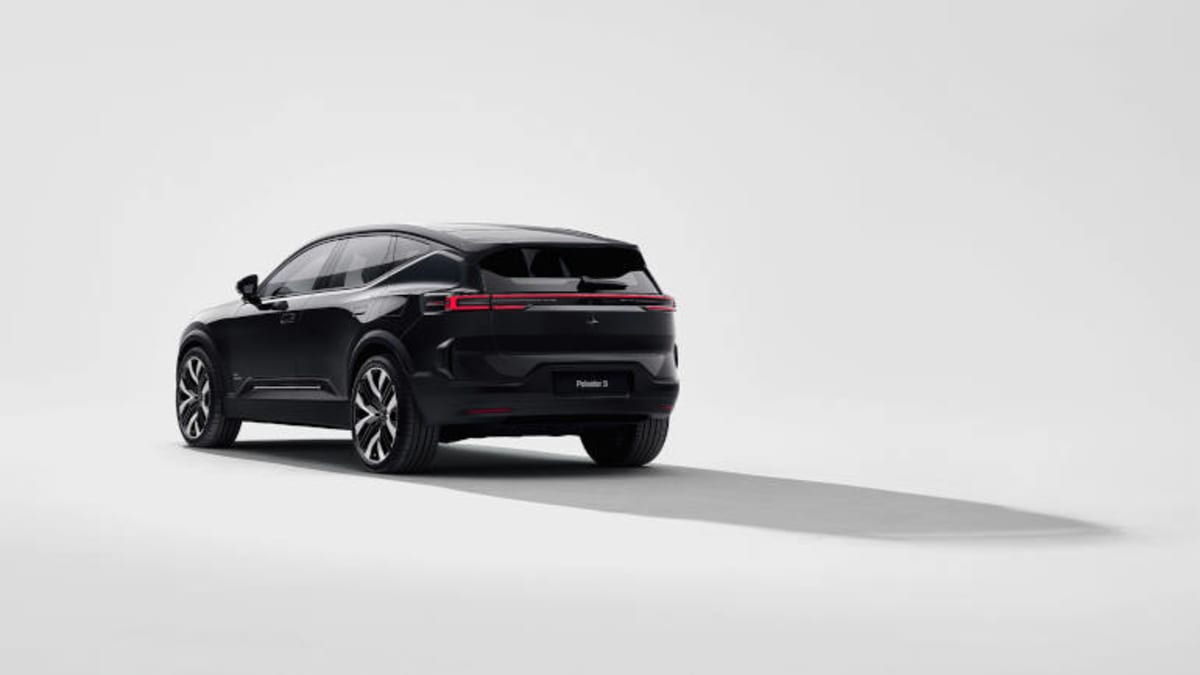
The Swedish automaker announced that batteries in the Polestar 2 and Polestar 3 now contain at least 50 percent recycled cobalt. That means half of this crucial battery ingredient gets a second life instead of requiring fresh mining operations.
Cobalt mining has long troubled environmental advocates. The process disrupts landscapes, consumes massive amounts of water, and often involves questionable labor practices. By recycling existing cobalt, Polestar slashes the need for new extraction while keeping valuable materials in circulation.
The company isn't stopping at recycled materials. Polestar partnered with Volvo Cars to create battery refurbishment centers where worn batteries get repaired and reinstalled in vehicles. Think of it like getting a rebuilt engine instead of junking your entire car.
When a Polestar battery needs replacement, owners receive a refurbished one with equivalent performance. The old battery gets diagnosed, repaired, and prepared for its next chapter in another vehicle. Nothing goes to waste.
The Ripple Effect
This circular approach is changing the entire automotive industry. Since 2020, Polestar has published detailed Life Cycle Assessments showing the environmental impact of each vehicle from factory to scrapyard. In those six years, they've cut CO₂ emissions per vehicle by 25 percent while expanding their model lineup.
Other manufacturers are watching closely. As major companies adopt formal environmental reporting requirements, battery recycling transforms from nice-to-have into must-have. Fleet managers now compare not just fuel efficiency, but material sourcing and lifecycle emissions when choosing vehicles.
The refurbishment model also makes electric vehicles more affordable over time. Replacing a battery once meant paying for entirely new materials and manufacturing. Refurbished batteries cost less while performing just as well, making EV ownership more accessible.
Fredrika Klarén, Polestar's Head of Sustainability, sees this as systems-level change. "Electrification, powered by renewable energy and enabled by circular battery materials, points to a new kind of system: one where resources stay in use and abundance replaces depletion."
The technology works because modern batteries are surprisingly repairable. Individual cell modules can be swapped out while keeping the rest of the battery pack intact. Combined with recycled cobalt, this approach could eliminate most battery waste within a decade.
Companies building electric vehicle fleets are already adjusting their strategies. They're factoring in battery refurbishment when calculating long-term costs and planning for vehicles that can serve longer, more sustainable lifecycles.
The shift proves that going green doesn't require choosing between performance and responsibility—we can engineer our way to having both.
Based on reporting by Google: electric vehicle milestone
This story was written by BrightWire based on verified news reports.
Spread the positivity!
Share this good news with someone who needs it