Police Across 196 Countries Unite to Fight Crime
When a 13-year-old rape victim in Central African Republic got justice, it happened because police forces thousands of miles apart worked together. Today, over 7,700 UN police officers help nations rebuild trust and stop criminals who ignore borders.
A Cameroonian UN police officer named Gladys Nkeh once helped a 13-year-old girl in Central African Republic get medical care after a brutal assault and brought her attacker to justice. The girl later named her baby Gladys in honor of the officer who changed her life.
Stories like this show why September 7th marks International Day of Police Cooperation, a day recognizing how police forces worldwide team up to protect people that criminals see as easy targets.
Modern crimes like human trafficking, cybercrime and fraud don't stop at national borders. Criminals exploit the fact that police forces often can't chase them across country lines, which is why 196 countries now share information through INTERPOL to track criminals wherever they go.
The numbers tell a sobering story. Organized crime kills about 95,000 people every year, accounting for one in five intentional homicides globally. No single police force can tackle networks that operate across continents.
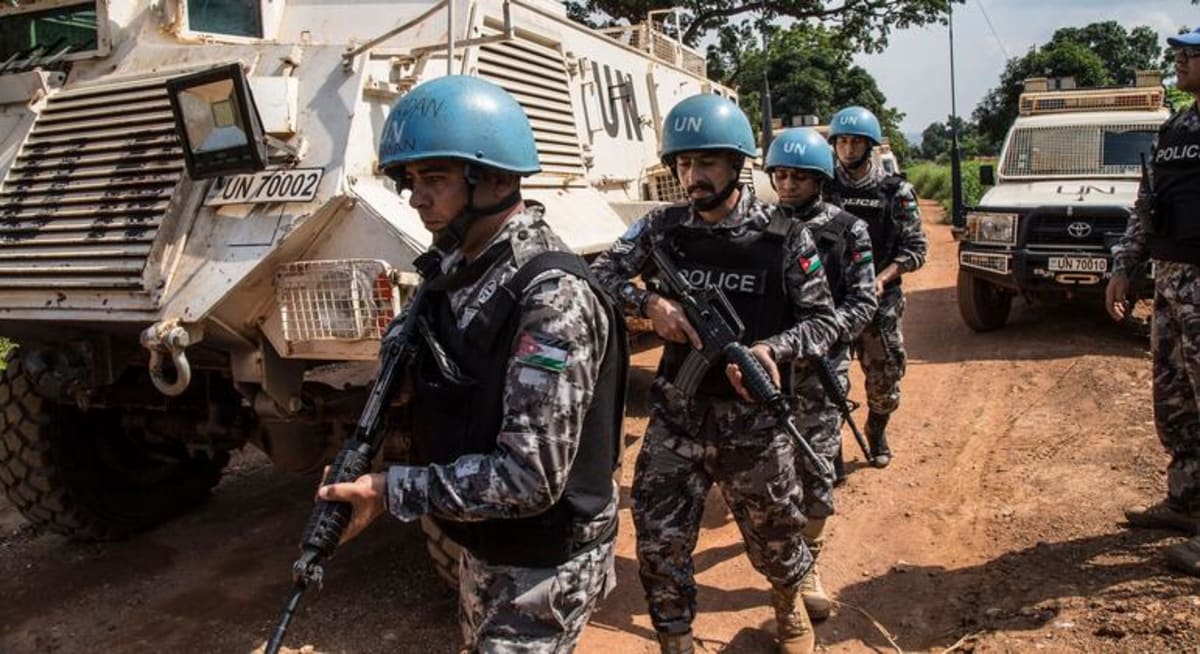
More than 7,700 UN police officers now serve across 14 peace operations worldwide. They don't arrest criminals themselves but instead train local police, protect civilians and help rebuild trust in countries where conflict has destroyed faith in justice systems.
Their work delivers real results. When victims in Switzerland lost over $1.4 million to online phishing scams, cooperation between Swiss police and officers in Côte d'Ivoire helped dismantle the entire operation.
The Ripple Effect
This cooperation matters most for people who have the least protection. Women, children and marginalized communities often suffer most when criminal networks exploit chaos and weak institutions.
In Central African Republic, UN officers have strengthened local police capacity to investigate trafficking and organized crime. They've helped train officers to handle sensitive cases with care and professionalism, exactly the kind of support that helped that 13-year-old girl get justice.
Building trust takes time, especially in places where police have failed communities. Officers focus on fairness, accountability and transparency to show they serve everyone, not just the powerful.
This year's theme emphasizes protecting vulnerable people by building legitimacy in policing. Officials say the best crime-fighting tool isn't fancy technology but community confidence that police will actually help when called.
As conflicts and displacement create new opportunities for criminals to exploit desperate people, these international partnerships become more critical. Police forces sharing intelligence, coordinating investigations and learning from each other make everyone safer.
When communities trust their police and police forces trust each other across borders, criminals lose their greatest advantage.
Based on reporting by UN News
This story was written by BrightWire based on verified news reports.
Spread the positivity!
Share this good news with someone who needs it